

After 14 months, 25 countries, and nearly 49,000km on a Yamaha Tenere 700, Taiwanese adventurer Bing Ang reflects on the reality of solo traveling, the people who carried him through, and the journey that changed everything.
Subscribe to our Instagram channel for the latest info and news!
There are journeys that are planned, and then there are journeys that slowly transform into something far greater than the rider ever imagined. For Taiwanese adventurer Bing Ang, known to many online as @advbing, what began as an ambitious motorcycle ride from Malaysia to London gradually unfolded into a story of endurance, discovery, and the quiet power of human kindness.
It has been seventeen months since Bing rolled out of Malaysia on his Yamaha Tenere 700, bought in Johor, with a simple but daring goal. Ride across continents and reach London. No shortcuts, no shipping the motorcycle, and no support crew waiting ahead. Just one rider, one machine, and the long stretch of road that connected Southeast Asia to Europe.
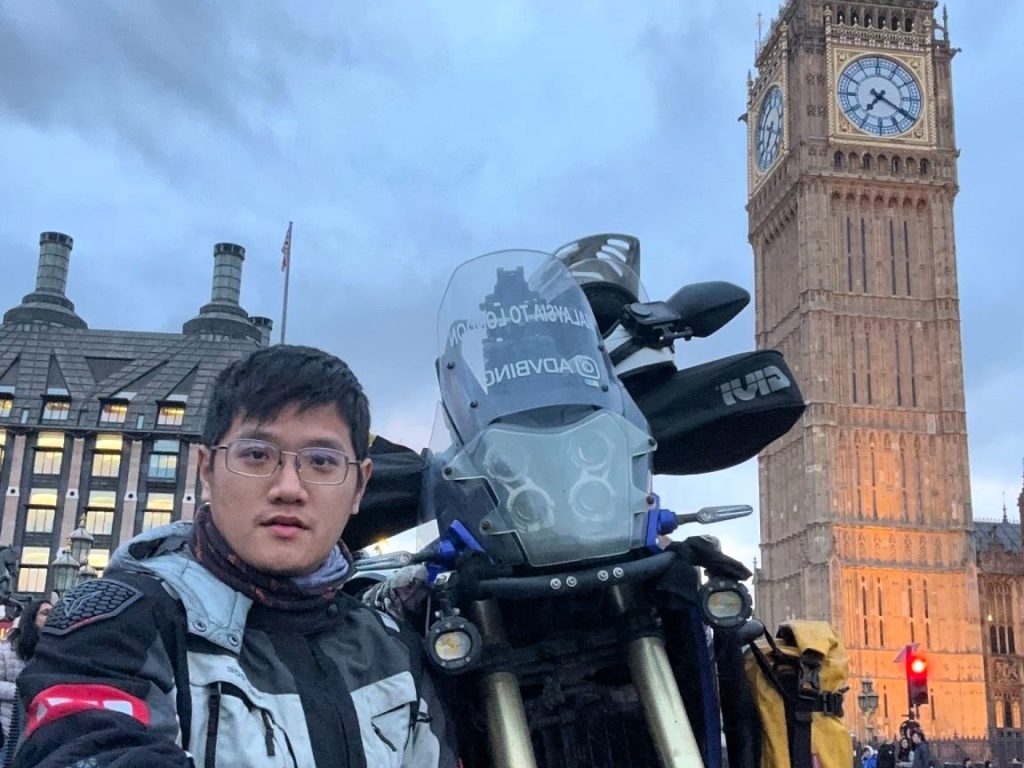
Today, that dream stands completed. After travelling through 25 countries and covering close to 49,000 kilometres of mileage, Bing has reached London, the capital, beating heart of England. The motorcycle that carried him across mountains, deserts, crowded cities and remote villages now rests at the end of a route that few riders ever attempt, let alone finish.
We had an incredible conversation with this inspiring young man, and his journey is truly exceptional. Below is our interview session with him. If you missed the previous stories, you can catch up with Part 1 and Part 2.
When you finally reached London and switched off the engine, what was going through your mind? Was it emotional?
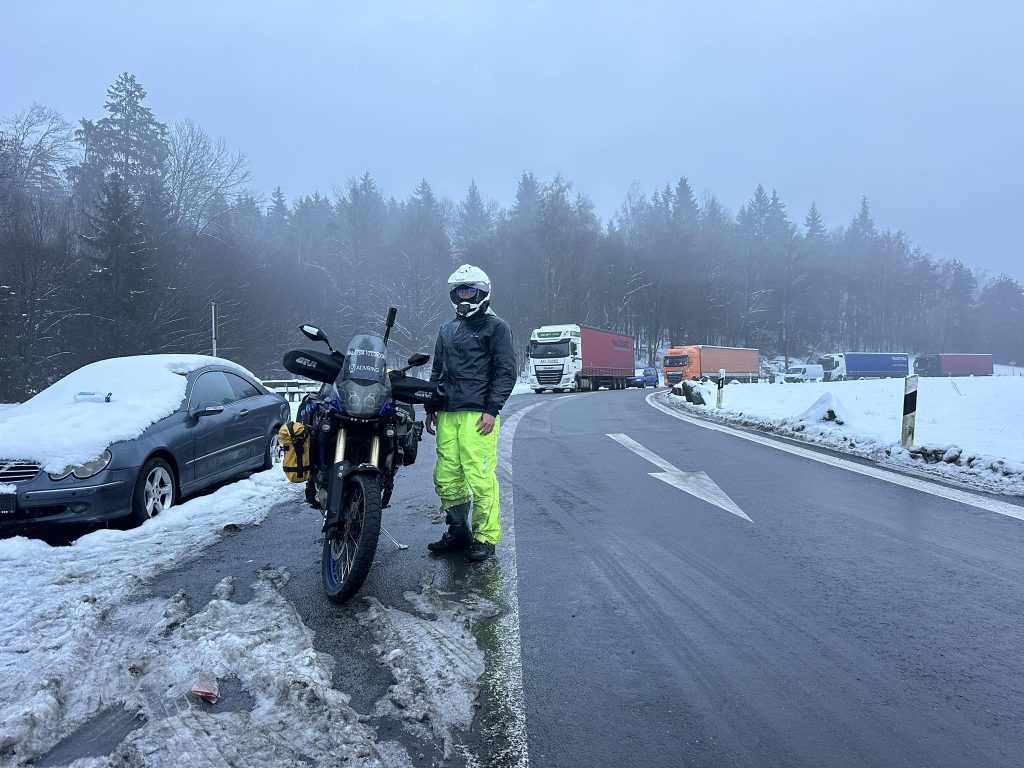
“It’s difficult to put into words. As I approached Western Europe, I already felt mentally that the journey was nearing its end. It was January, cold and rainy, which felt completely different from the previous 13 months since leaving Malaysia. I no longer had the energy or desire for exploration and adventure.
The one positive thing was that there were iconic tourist spots where I could take nice photos with my bike and myself: Cologne Cathedral in Germany, the Eiffel Tower and Arc de Triomphe in Paris. London was simply the final landmark I wanted to reach, check in at, and say, ‘This is the last one.’
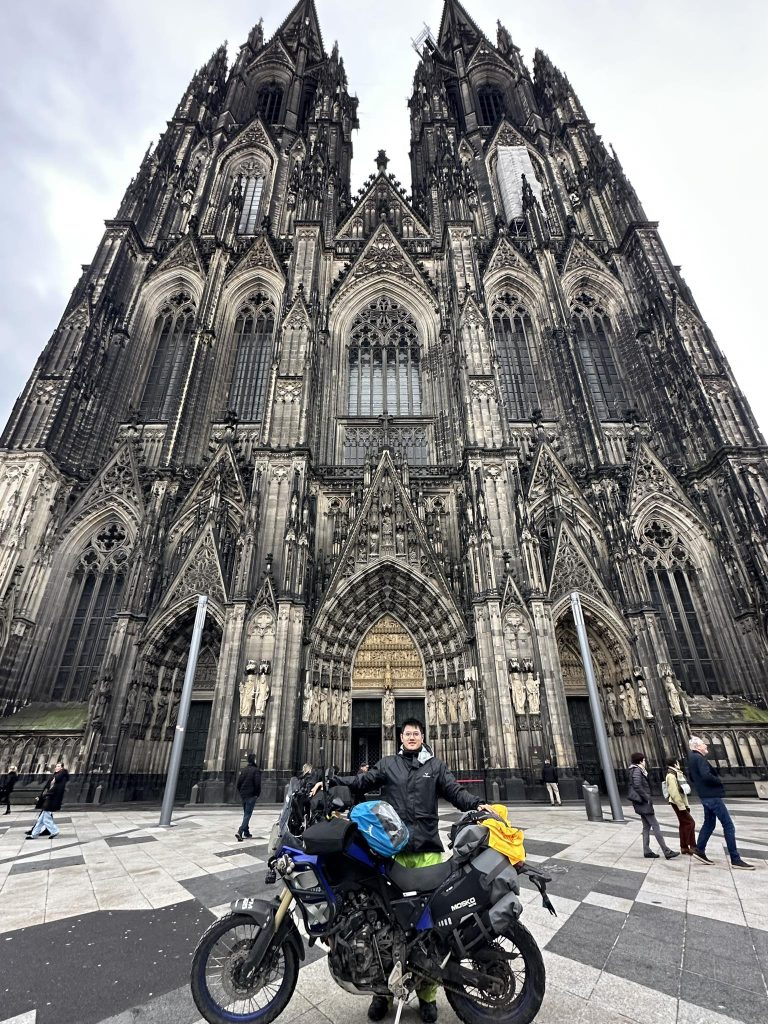
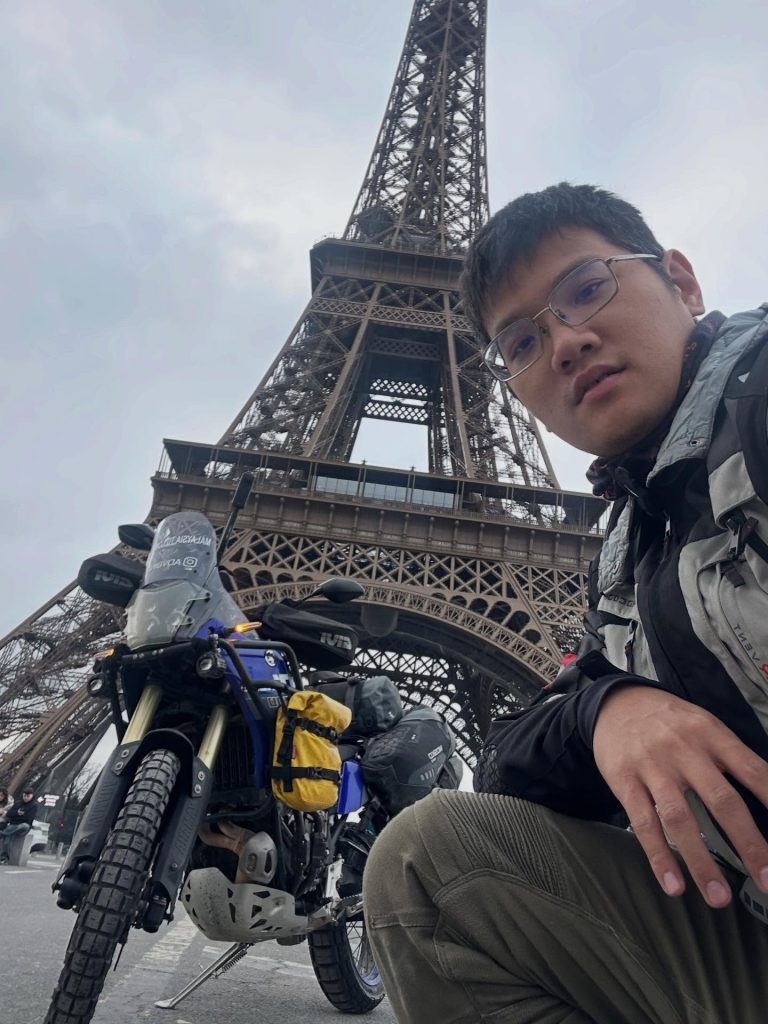
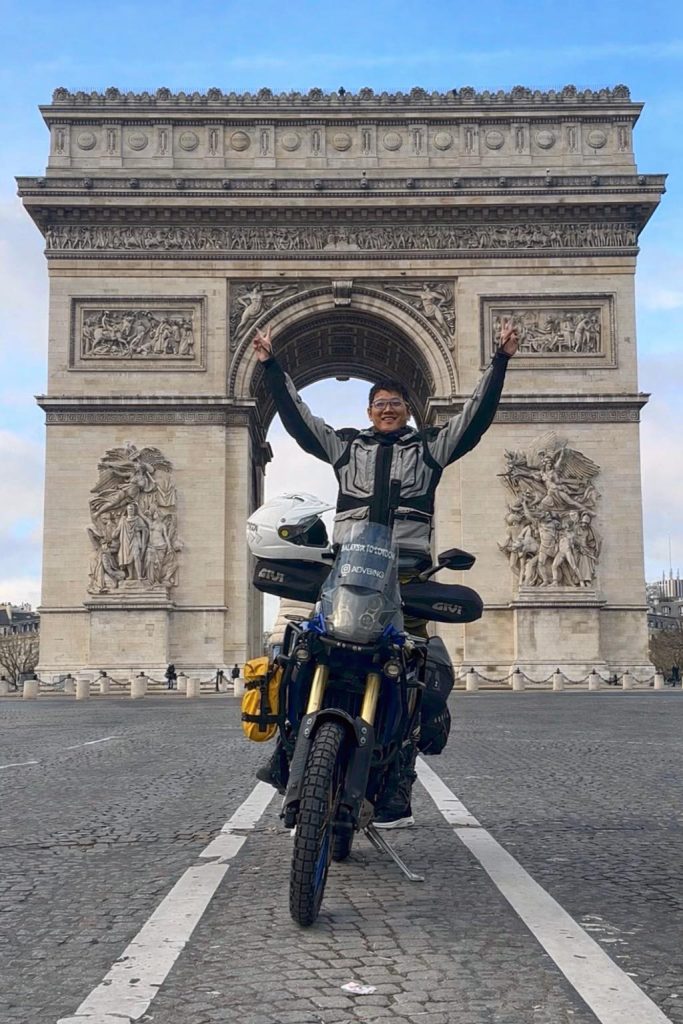
When I actually arrived and turned off the engine, I felt calm but deeply mentally exhausted. There was also a strong sense of shame because part of me still wanted to keep riding, while another part desperately needed rest. Those two feelings were in direct conflict.”
Looking back at 49,000km across 25 countries, what was the toughest moment of the entire journey, and what did it teach you about yourself?
“The hardest part for me was Western Europe. The main reasons were the extremely high cost of hotels and the widespread risk of motorcycle theft. Finding a safe, affordable place to sleep every night was a constant struggle.
On the positive side, Western Europe has the strongest motorcycling community I’ve ever encountered. Riders hosted me almost every night while I was there. I’m not entirely sure why they were so welcoming, perhaps because they respected the courage and determination it took to ride all the way from Asia to Europe.
The biggest lesson for me is how immense the level of help from riders across countries can be. Don’t be shy to ask for help, especially if you’re a fellow rider and feeling stuck or in difficulty. There are so many riders out there willing to lend a hand, particularly in places with a strong community like Europe.
Sure, I can solve almost everything by myself, but accepting help from others makes the journey much smoother. It’s also a great opportunity to connect, share stories, and get to know local riders from different countries.”
Out of all the countries you rode through, which encounter with a stranger left the deepest mark on you, and why?
“This is a tough one to answer. I’d say Greece and Türkiye and here are some experiences. First, while I was standing in front of a restaurant in Greece’s second-largest city, a delivery rider came up, we chatted for just 1–2 minutes, and he immediately invited me to stay at his home.
I was completely shocked, people in cities are usually more cautious and reluctant to help complete strangers, yet he invited me without hesitation. He lived alone with his young daughter, which showed he fully trusted me and wasn’t worried about her safety.
Second, a Greek man saw one of my Facebook posts and sent me the keys to his empty summer vacation house. He trusted me to take good care of it and return the keys safely afterward.
Then the third one, while riding through the Greek mountains, it was already dark and a man on the road invited me to his house within 3 seconds of talking. It was a warm and cozy house in the mountains, covered in ice and snow.”
What did your Yamaha Tenere 700 teach you about preparation, limits, and trust throughout this expedition?
“Choosing the right bike is the most important decision for a long journey like this. The Tenere 700 performed perfectly, reliable and capable both on and off-road. It just had to understand the bike properly like its maintenance which mostly just engine oil changes, service intervals, and especially its weak points that could potentially stop the trip.
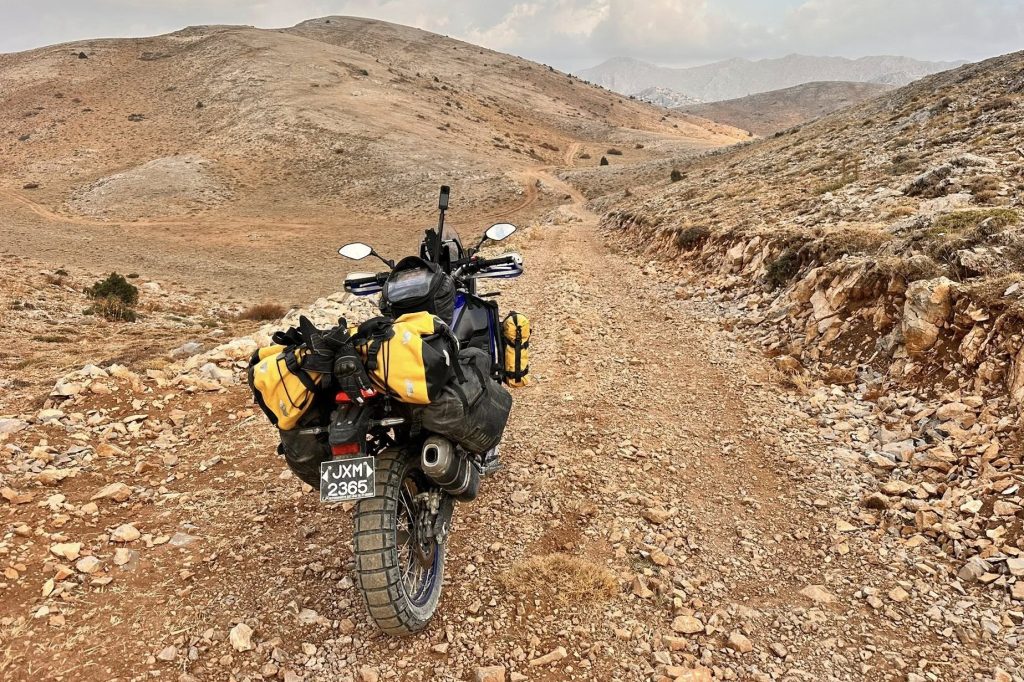
Because of that, I carried spares like an inner tube, brake pedal, and gear shifter. Knowing the bike’s limits and preparing for them built real trust in the machine over the long haul.”
After living off your motorcycle for more than a year, what does “home” mean to you now?
“Was homeless for 14 months by definition. Actually, I really enjoy this kind of lifestyle. I get bored easily if I stay in one place for too long. I’m eager to see something new and different, whether it’s people or landscapes, so I mostly move from one place to another every day.
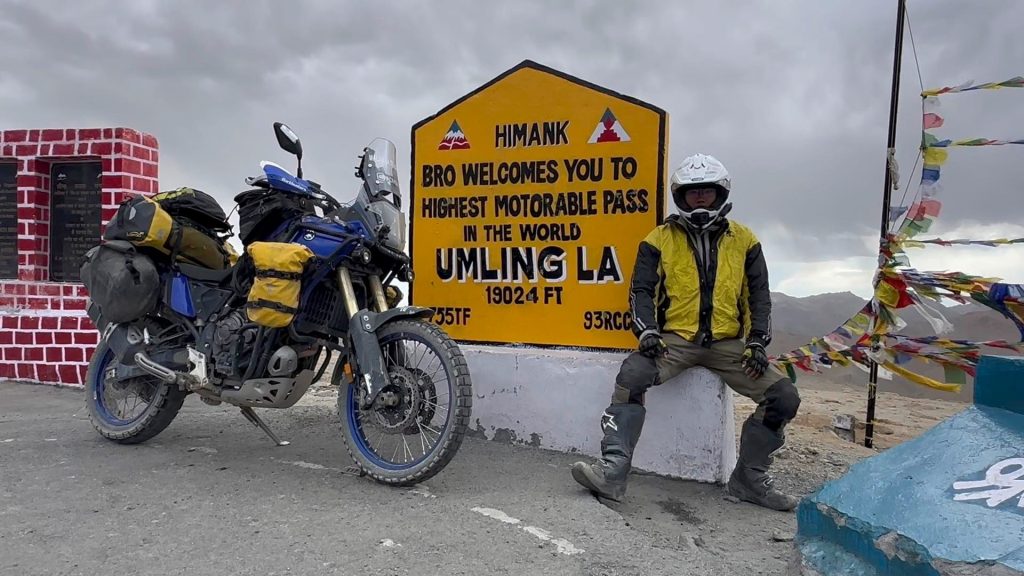
For me, it’s totally fine not to have a permanent home right now. What I need is a motorcycle and a tent. If I’m really tired, I can just find a cheap hostel or a cheap hotel in some rural mountain area in a low-cost country. For now, I’m resting in my home country, but I’m already stoked for my next trip. Unfortunately, my parents and girlfriend aren’t happy about it, so I have to take care of them too.”
Was this journey about proving something to the world, or proving something to yourself? And now that you’ve made it to London, what’s next?
“Throughout the trip, I was hosted and treated kindly by strangers again and again. It convinced me that people are fundamentally kind at heart, especially in remote and rural areas. In cities, though, trust and willingness to help tend to be much lower. This pattern held true across all 26 countries I visited.
Right now, I want to have a proper rest and plan the next stage of my life. It could be finding a corporate job to work again while continuing to ride motorcycles around the world. I’d like to ride again, my budget way of traveling could actually let me ride for another 2–3 years, but if I keep riding, I might not be able to return to my previous job as a software engineer. I have parents and a girlfriend, and I haven’t really made money as a moto traveler. So it’s a hard decision to make.”
If you could speak to the version of yourself on Day 1 in Malaysia, what advice would you give him now?
“For preparation, I would give myself a few pieces of advice. First, I would invest in an air vest for better protection. Safety becomes much more important once you’ve experienced long-distance riding. I would also try to make the bike lighter, because it helps save fuel and makes handling much easier, especially in difficult terrain when you are riding alone.
Then, I would learn more of the local languages, because it allows for much deeper connections with people along the way. At the same time, I would plan for a longer journey and spend more time in each country. Fourteen months actually felt too short for me, there were still many places I didn’t get to explore.
In terms of gear and riding ability, I would pack even lighter, ideally keeping everything inside the saddlebags to make things simpler. And most importantly, I would get proper off-road training. It gives you much more confidence when riding solo in challenging conditions.”
What message would you give to someone dreaming of doing a ride like this but afraid to start?
“Start with a solo overseas trip to build confidence. Put yourself a little out of your comfort zone step by step. For a big journey like this, save money and go before you have family responsibilities. I was 28 when I started this trip, and for the years before, I rarely rewarded myself with expensive things. I didn’t even have a car or a motorbike. That helped me save a lot and make this journey a reality.
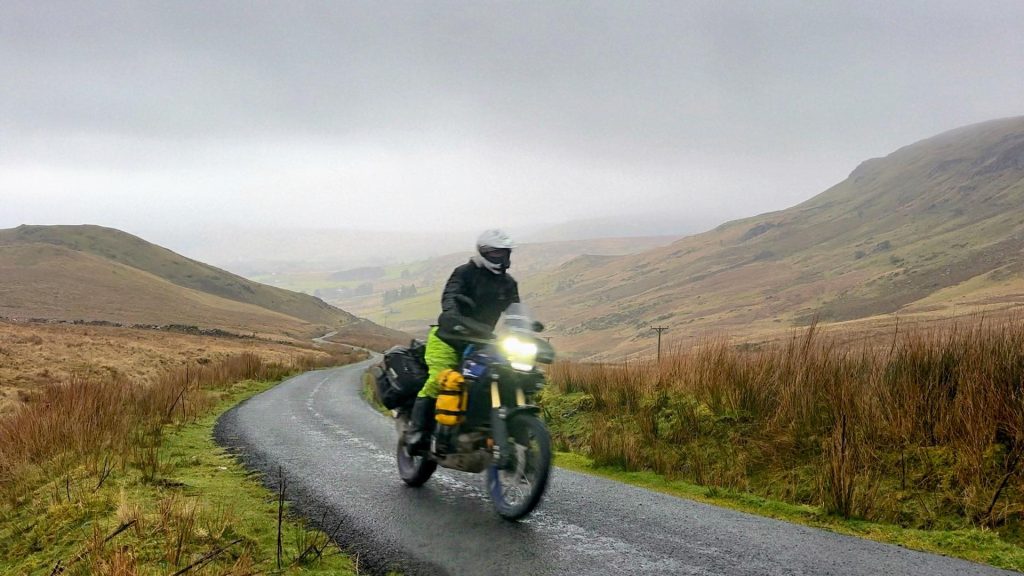
You don’t need a huge bike like mine. Daily expenses can be kept very low by camping. Mentally, stay open-minded, be willing to connect with the people you meet, and push yourself just a little outside your comfort zone, whether that’s talking to strangers or riding into places that once scared you.”
A Dream That Became Reality
Living on the road for more than a year also changes the way a person understands the idea of home. For Bing, home is no longer just a place marked on a map. It is a feeling created by the people he met and the experiences shared along the way. The road itself, with all its uncertainty and beauty, became a kind of temporary home during those fourteen months.
With London now behind him and nearly fifty thousand kilometres etched into the story of this journey, Bing is taking time to reflect on what he has accomplished. The ride itself may have reached its destination, but the spirit that carried him across continents remains unchanged.
Because for riders like Bing Ang, finishing a journey does not mean the adventure is over. It simply means another road somewhere in the world is waiting to be discovered.









Facebook
Instagram
X (Twitter)
YouTube
LinkedIn
RSS