

The upcoming helmet will feature a built-in GoPro camera, potentially eliminating the need for external camera mounts, although full specifications and pricing remain under wraps.
Subscribe to our Instagram channel for the latest info and news!
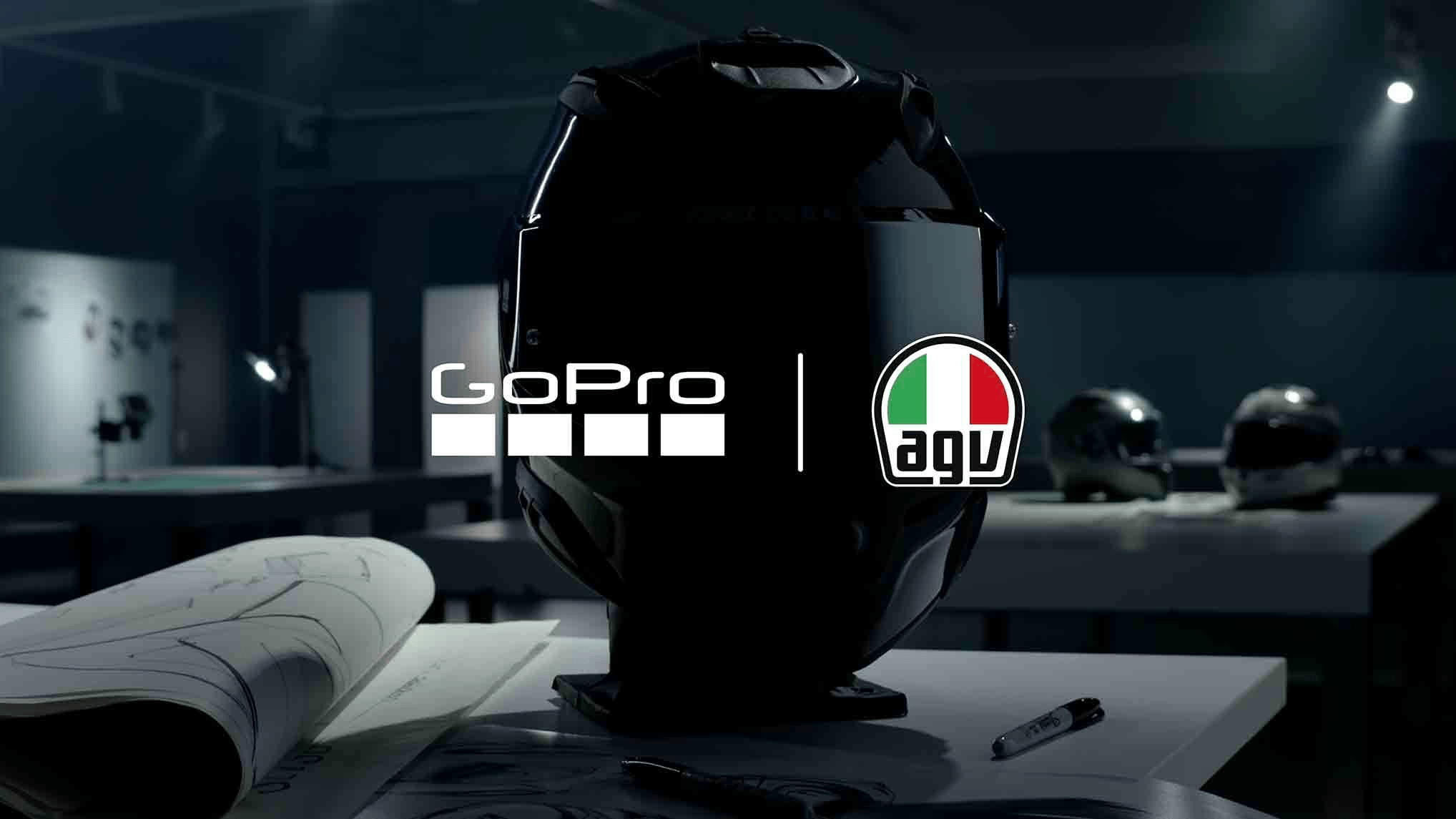
GoPro and AGV are joining forces to develop a new fully integrated motorcycle helmet, with the product expected to make its debut in 2027. Although neither company has revealed its full specifications, the collaboration offers an early glimpse into what could be the next step in motorcycle helmet technology.
Promoted under the tagline ‘The Future of Helmets’, the upcoming helmet will feature a built-in camera developed by GoPro. This could eliminate the need for riders to attach an external action camera to their helmets, providing a more integrated solution for recording their rides.
The partnership is particularly interesting given AGV’s reputation for producing high-performance motorcycle helmets, including models widely used by MotoGP riders. Combining AGV’s helmet engineering expertise with GoPro’s camera technology could result in a product aimed at riders who want both protection and high-quality video recording.
A glimpse of the new helmet was shared through GoPro’s social media channels, showing the prototype undergoing testing at the Misano World Circuit Marco Simoncelli in Italy. The footage also briefly showed the helmet being used on public roads, although details surrounding its development remain limited.
From what can be seen in the footage, the integrated camera appears to be positioned at the front of the helmet, just below the visor. This placement could replace the traditional external mounting points commonly used by riders to attach action cameras.
However, several important details remain unknown, including the camera’s field of view, video resolution, recording capabilities, battery life and connectivity features. Neither company has also confirmed the helmet’s official name or which rider segments it will target.
Developing a helmet with integrated electronic equipment also presents several engineering challenges. Incorporating a camera into the front section could require adjustments to the helmet’s ventilation system, shell construction and aerodynamic design. More importantly, the integration must not compromise the helmet’s primary purpose of protecting the rider.
This is where AGV’s involvement becomes particularly important, as the company will need to ensure that the additional technology works alongside the helmet’s safety and performance requirements.
For now, neither GoPro nor AGV has announced an exact launch date or pricing. More information is expected to emerge as the project moves closer to its anticipated 2027 debut.
The collaboration could also open the door to further partnerships between motorcycle helmet manufacturers and camera technology companies, particularly as more riders look for convenient ways to record their journeys without relying on aftermarket accessories.











Facebook
Instagram
X (Twitter)
YouTube
LinkedIn
RSS