

Honda Motor will end car sales in South Korea after two decades, shifting focus to its growing motorcycle business.

Subscribe to our Instagram Channel for instant news & updates!
After more than two decades selling cars in South Korea, Honda Motor is calling time on its passenger vehicle business in the country. Its local arm, Honda Korea, announced it will wind down car sales by the end of the year, pivoting instead toward a segment where it is performing far better: motorcycles.
The move is not abrupt, but it is decisive. Honda will phase out vehicle sales in stages, working with dealers on the timeline. At the same time, it is reallocating attention and investment to its two-wheeler division, which has quietly become one of its strongest footholds in the Korean market.
The contrast between the two businesses is hard to ignore. Honda’s car sales have been slipping for years, dropping from nearly 9,000 units in 2019 to under 2,000 last year. The slowdown has continued into 2026, with only a few hundred vehicles sold in the first quarter. The reasons are familiar. Fewer new models, intense competition from domestic brands, and a market that is rapidly shifting toward electric vehicles have all made it harder for Honda to keep pace.
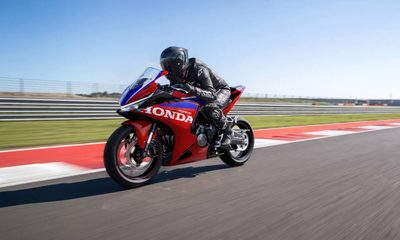
Motorcycles tell a completely different story. Honda sold over 43,000 units in the last fiscal year, securing around 40 percent of the market. That kind of dominance offers not just stability, but room to grow.
There are also structural advantages. Honda’s cars for South Korea are imported from the United States, leaving pricing exposed to currency swings. Motorcycles, sourced from Japan and Southeast Asia, are less vulnerable to those pressures. In a market where margins are tight, that difference matters.
For customers who already own Honda cars, the company says support will remain in place. After-sales service, parts supply, and maintenance networks will continue for at least eight years, with the possibility of extending beyond that. What will not be offered is compensation for any impact on resale values.
Honda’s exit follows similar decisions by Nissan and Infiniti, pointing to a broader challenge for foreign automakers in South Korea. The market has become more demanding, more competitive, and more defined by new technology. Brands that cannot adapt quickly risk being left behind.
For Honda, the strategy is clear. Instead of stretching across a shrinking segment, it is choosing to strengthen its position where it already leads. It is less about leaving, and more about focusing.


















Facebook
Instagram
X (Twitter)
YouTube
LinkedIn
RSS