

Indonesia to roll out EV incentives in June 2026, including VAT support for cars and subsidies for motorcycles to boost growth and reduce fuel use.
Subscribe to our Instagram Channel for instant news & updates!
Indonesia is preparing for a major push into electric mobility, with a new round of incentives set to begin in June 2026. The programme reflects more than support for cleaner transport. It forms part of a broader strategy to stimulate domestic demand, strengthen industrial capacity, and reduce reliance on fossil fuels amid global energy uncertainty.
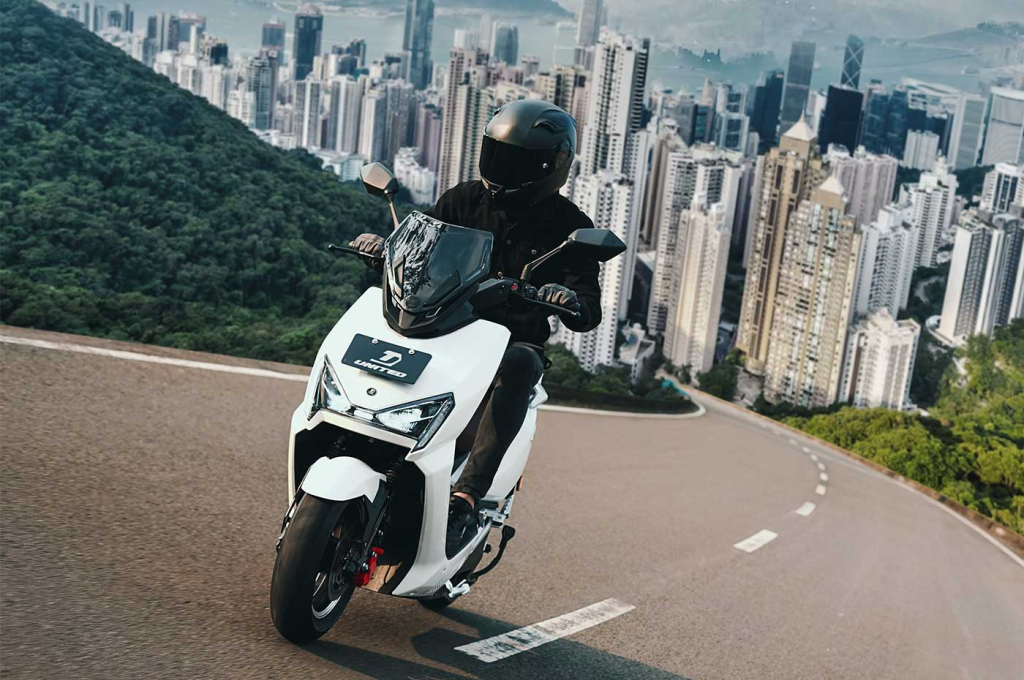
At the centre of the initiative is a target of 200,000 electric vehicles in its initial phase. This includes 100,000 electric cars and 100,000 electric motorcycles. The equal split highlights the government’s recognition that motorcycles remain a primary mode of transport across the country, particularly for middle income households.
The structure of the incentives marks a shift in approach. For electric cars, the government will provide support through a value added tax mechanism, where a portion or all of the tax is borne by the state. This allows policymakers to reduce the purchase price without relying on direct cash subsidies, while still making electric vehicles more accessible to consumers.
The highest level of tax support will be directed towards vehicles that use nickel based batteries. This is a strategic decision tied to Indonesia’s position as one of the world’s largest nickel producers. By linking incentives to battery composition, the government aims to align consumer demand with domestic industrial strengths and support the growth of its battery and manufacturing sectors.
For electric motorcycles, the policy takes a more direct form. Buyers will receive a subsidy of Rp5 million per unit.This aims to narrow the price gap between electric and conventional motorcycles, which is crucial in a market where affordability strongly influences purchasing decisions. Given the widespread use of motorcycles, even a gradual shift towards electric models could significantly reduce fuel consumption.
The policy is also designed to support economic growth. Officials expect the incentives to boost consumption and manufacturing activity, particularly in the second half of 2026. Increased vehicle purchases could contribute to stronger economic performance in the third and fourth quarters, helping the country maintain growth above 5 percent.
There is also a fiscal consideration. Rising global oil prices continue to place pressure on government spending, especially in relation to fuel subsidies. Encouraging the adoption of electric vehicles offers a long term pathway to ease this burden. As more consumers switch to electric transport, dependence on fuel imports may gradually decline.
However, the effectiveness of the programme will depend on continuity. Analysts have cautioned that without sustained incentives, adoption rates may slow, particularly among middle income consumers who are sensitive to upfront costs. A consistent policy framework will be important to maintain confidence and support long term behavioural change.
Indonesia’s latest move signals a more deliberate commitment to electric mobility. The coming months will show whether the combination of tax incentives, targeted subsidies, and industrial alignment can accelerate adoption at scale. Regardless of the outcome, the policy represents a significant step in positioning electrification as part of the country’s economic and energy strategy.



















Facebook
Instagram
X (Twitter)
YouTube
LinkedIn
RSS