

Honda’s futuristic E-Clutch system makes the CBR650R easier, smoother and surprisingly addictive to ride, especially in Malaysian traffic.
Subscribe to our Instagram Channel for instant news & updates!
When Honda first introduced the E-Clutch system on the Honda CBR650R and Honda CB650R, a lot of riders honestly didn’t know what to think. A clutch system that lets you ride a manual bike without actually using the clutch lever? Sounds strange, right?
I already had the chance to briefly test the bike during Malaysia Autoshow 2025 at MAEPS Serdang last year together with my colleague Roy. Back then, we only rode it on a guided route, so there wasn’t enough time to properly understand what the bike and the E-Clutch system were really capable of.
But once I finally brought the bike into real-world Malaysian traffic for a few days, that’s when things started getting interesting. And honestly, the first few minutes genuinely messed with my brain.
What Exactly Is Honda E-Clutch?
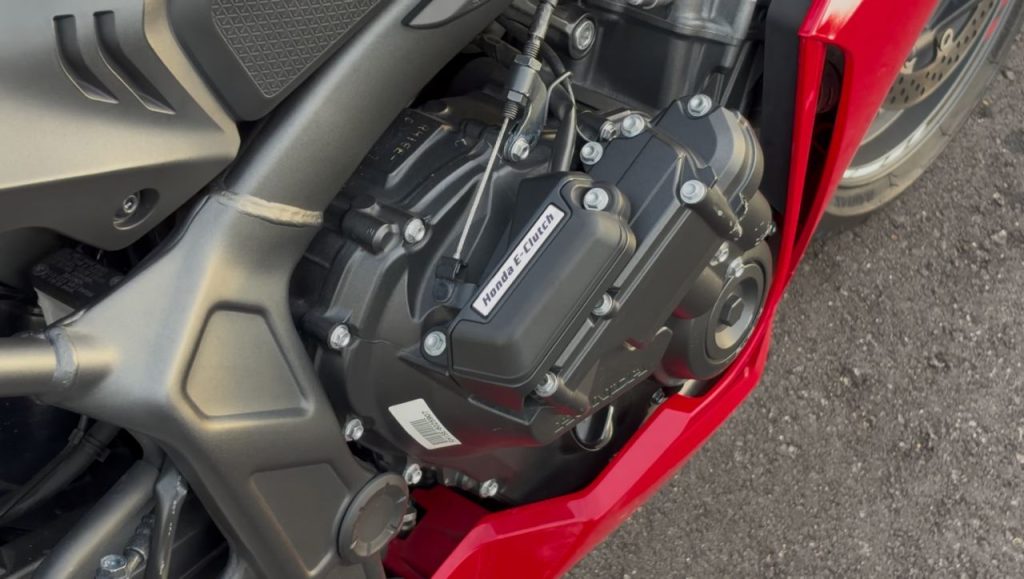
The easiest way to explain Honda’s E-Clutch system is this, imagine a robotic clutch operating your manual transmission for you. The system uses a servo-assisted mechanism connected to a normal multi-plate clutch and gearbox.
In real-world riding, all you really do is click into gear, twist the throttle and ride away. No need to manually release the clutch lever, no stalling and no awkward jerking. It honestly feels almost like riding a kapchai, except now you’re doing it on a 650cc inline-four sportbike.
The crazy part is how flexible the system actually is. If you still want to use the clutch manually, you can. The moment you pull the lever, it behaves like a completely normal motorcycle. Don’t want the system at all? You can switch it off entirely and ride traditionally.
And if the system ever fails, the bike automatically defaults back to full manual mode. Honestly, it’s pretty clever engineering from Honda.
Build and Chassis
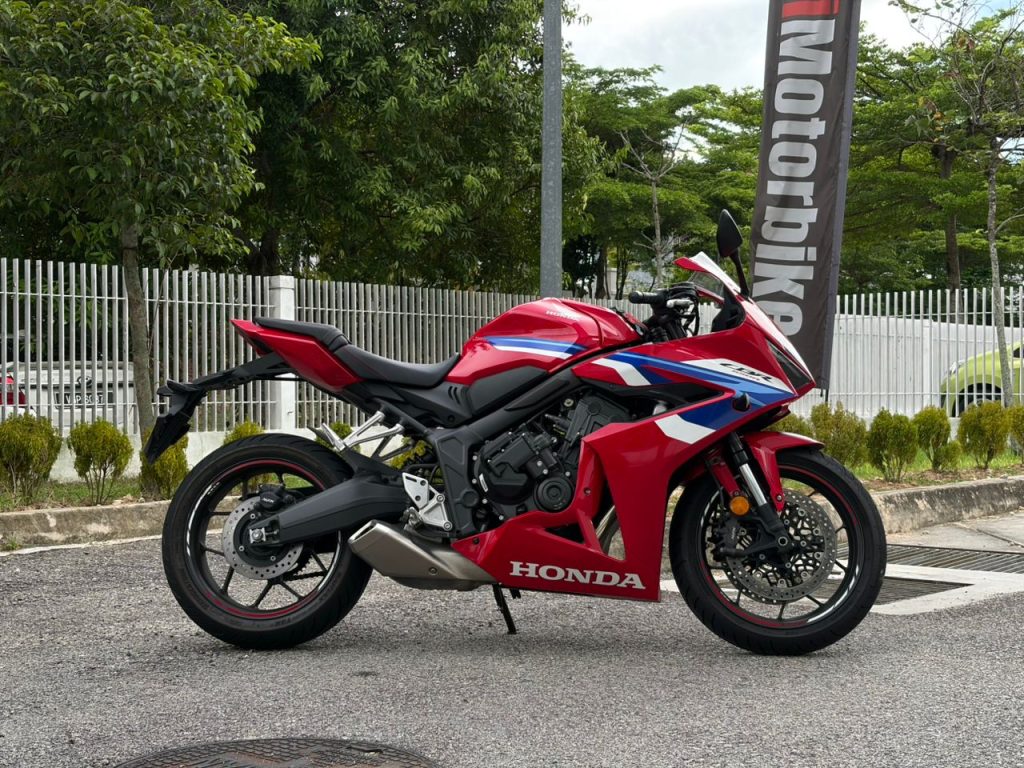
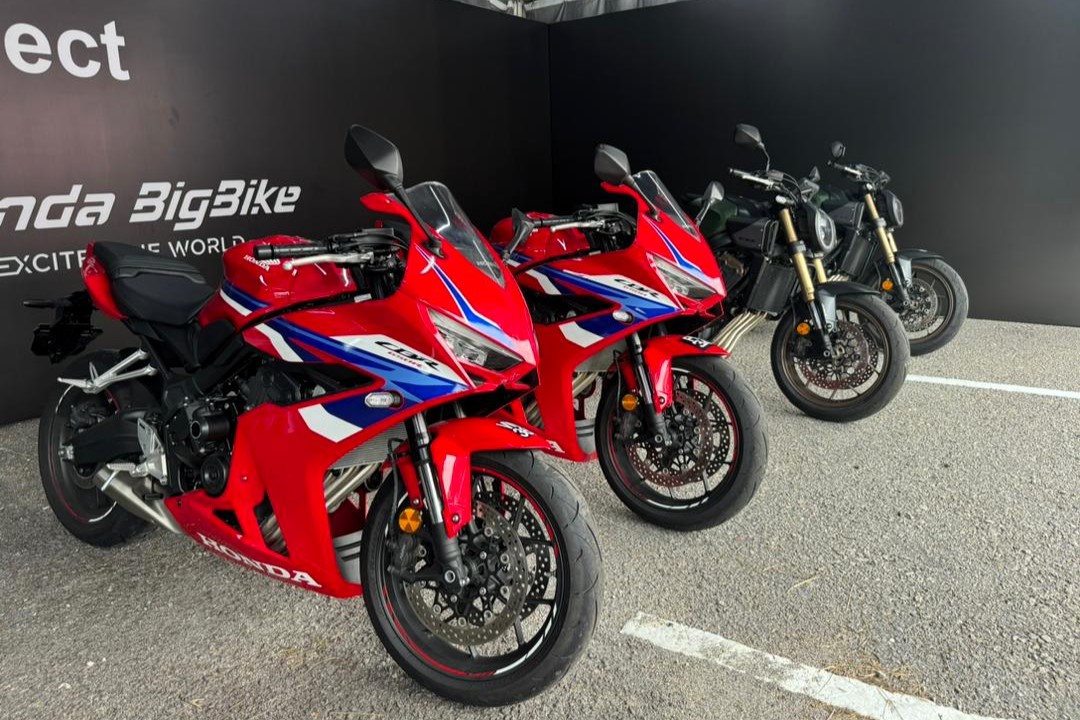
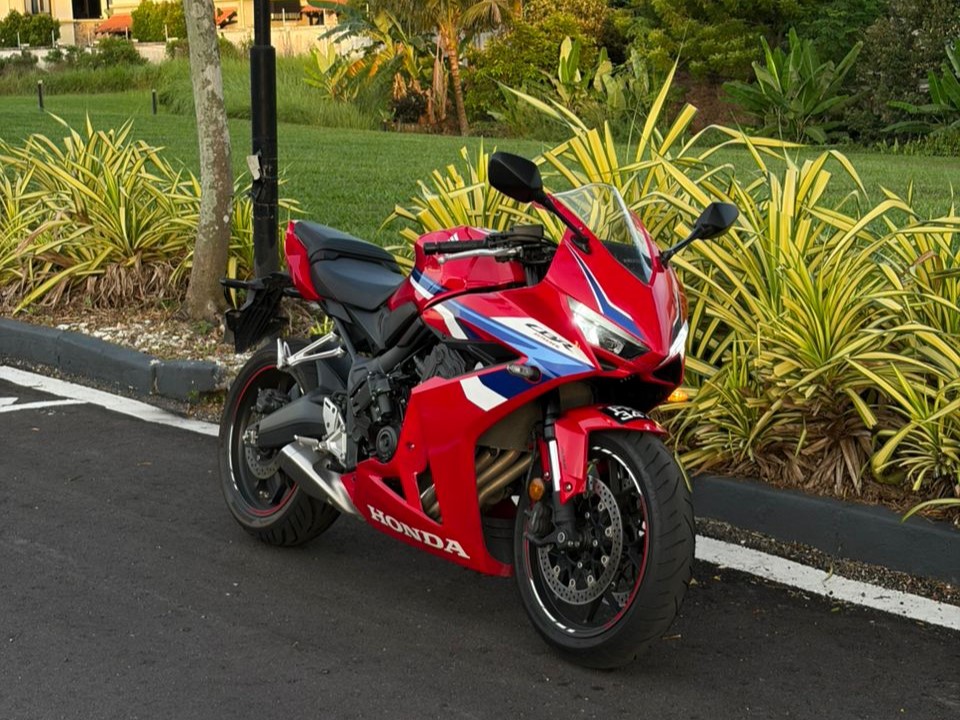
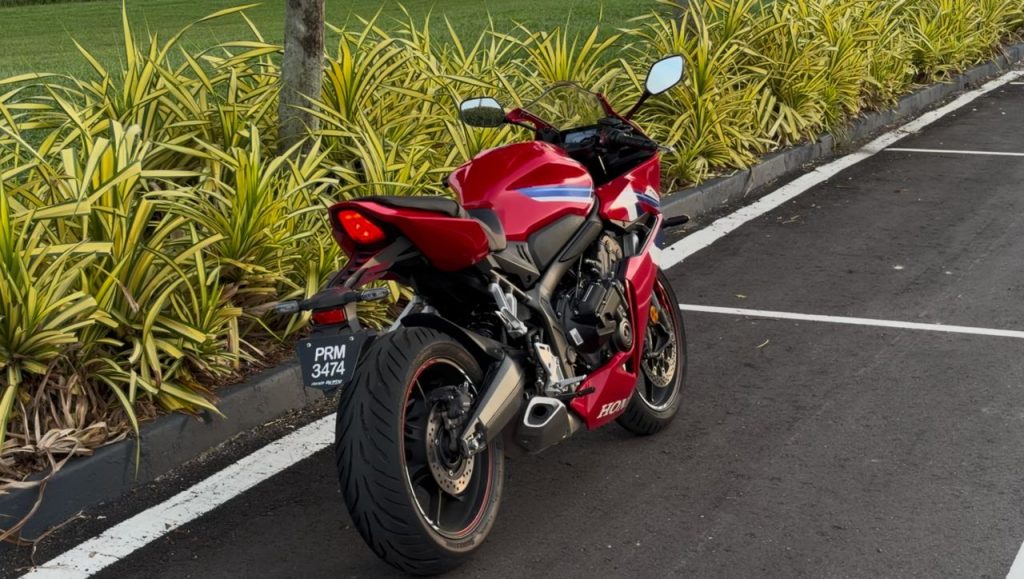
Honda has refined the latest Honda CBR650R into a genuinely easy supersport-style bike to live with. Visually, it still looks sporty and aggressive, especially in Honda’s signature Grand Prix Red colour scheme, but it doesn’t feel overly intimidating once you sit on it.
Power comes from Honda’s famous 649cc DOHC inline-four engine producing around 94hp at 12,000rpm and 63Nm of torque higher up in the rev range. And honestly, that inline-four engine is what makes the CBR650R still relevant in today’s market.
Most middleweight bikes nowadays use parallel twins or triples because they offer stronger low-end torque and easier everyday riding. But Honda stayed loyal to the inline-four formula, meaning this bike behaves very differently compared to most other 650cc rivals.
Unlike twins or triples that punch hard immediately, the CBR650R only truly wakes up once the revs climb higher. Cross 9,000rpm and suddenly the engine starts screaming like a proper supersport machine. And yes, it sounds absolutely glorious.
That said, you do feel some vibration above 6,000rpm through the handlebars, seat and footpegs, especially during longer highway runs. It’s not unbearable, but definitely noticeable.
The riding ergonomics are also surprisingly comfortable for a fully-faired sportbike. Even for taller riders, the clip-ons aren’t overly aggressive, so wrist and shoulder fatigue never became a major issue during longer rides around Klang Valley.
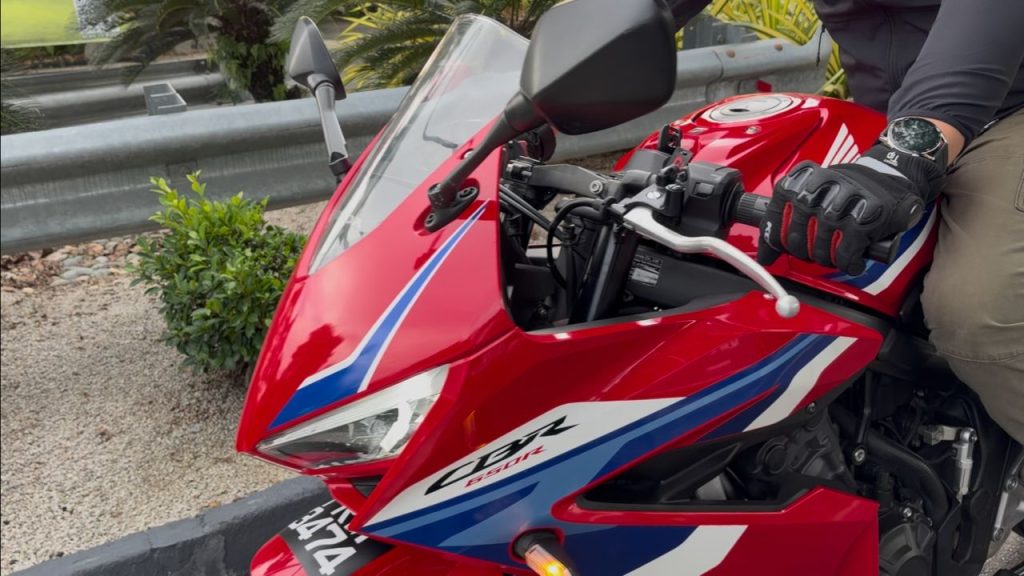
Honda also updated the bike with a new 5-inch TFT display that’s bright, clean and easy to read even under Malaysian sunlight. The updated joystick controls on the left handlebar are straightforward to use too, while full LED lighting gives the bike a more premium modern appearance.
Riding Experience and Performance
Now comes the interesting part. The first time riding the E-Clutch system properly in traffic honestly feels bizarre. Your brain and muscle memory keep telling you to pull the clutch lever every single time you shift gears or move through traffic.
For the first 20 minutes, I genuinely struggled adapting to it. At one point, I even switched the E-Clutch system off completely and went back to traditional clutch operation because my brain just couldn’t process it properly.
But after about two days of riding, everything suddenly clicked. And honestly? It became ridiculously enjoyable. Eventually it started feeling like riding a giant automatic kapchai with superbike power. In heavy traffic, stop-and-go situations and city riding, the convenience becomes super addictive. No constant clutch feathering, no worrying about stalling, and no hand fatigue during long traffic jams.
At traffic lights especially, the bike feels almost futuristic. You just stop, click into gear and move off normally without touching the clutch at all. Even people around me genuinely looked confused watching the bike move without me using the clutch lever.
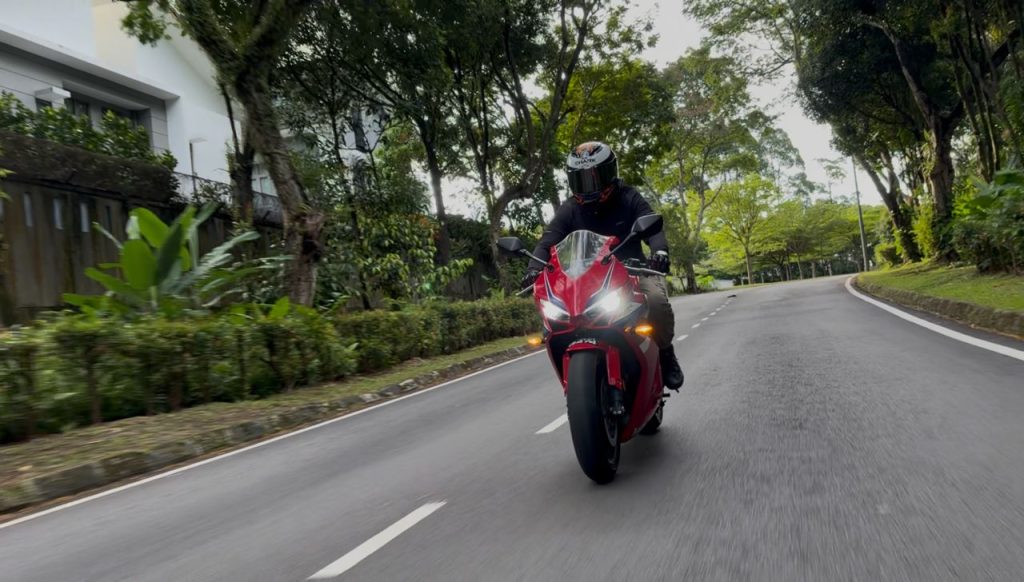
Out on the highway though, the CBR650R completely transforms. I brought the bike onto LEKAS Highway and honestly, this thing felt absolutely ballistic once the revs climbed. The top-end power delivery is addictive, especially once you cross into the higher rpm range where the inline-four truly comes alive.
The highest speed I managed to see was around 245km/h on the meter, and once you tuck in behind the windscreen, the bike suddenly feels every bit like a proper supersport machine.
The quickshifter pairing with the E-Clutch system also works brilliantly. Upshifts and downshifts feel extremely smooth, and Honda even lets riders choose between three E-Clutch response settings consisting of Hard, Medium and Soft depending on riding preference. Cornering performance feels stable and confidence inspiring too. The riding position isn’t as aggressive as a full supersport bike, so it balances both sporty riding and everyday usability quite nicely.
One feature I genuinely appreciated was the dedicated traction control button directly on the left handlebar. It’s quick, practical and easy to access while riding, something many manufacturers still overcomplicate. While disabling the traction control allows for some spirited riding like wheelies, the bikes feel somewhat substantial, especially with the E-clutch integration bringing the total curb weight to 211kg for the CBR650R.
Everyday Usability
Honestly, this is where the E-Clutch system shines the most. In stop-and-go traffic, U-turns, filtering through small gaps and everyday city riding, the bike becomes much less tiring to operate. You simply don’t realise how often you use the clutch in traffic until suddenly you no longer need to.
And because the bike cannot stall, it also makes the CBR650R much friendlier for beginners or riders transitioning from smaller bikes. Even if you accidentally start moving in a higher gear, the system automatically slips the clutch enough to keep the bike moving smoothly. The TFT display will still recommend a downshift, but the bike itself never panics.
For experienced riders, the system may initially feel unnecessary or even intrusive. But the more time you spend with it, the more natural it starts becoming.
Downsides
Of course, the bike isn’t perfect. At higher speeds around 150km/h and above, I noticed quite a bit of vibration coming from the windscreen area and throttle grip. The throttle-side vibration especially can become uncomfortable during longer high-speed riding sessions.
Another small annoyance is the gearshift indicator calibration on the TFT display. It tends to recommend downshifting way too early even when the engine is still perfectly cruising in higher gears.
And yes, Honda still keeps the inverted horn switch layout which honestly continues confusing me sometimes. There were moments I accidentally hit the wrong switch while trying to use the horn quickly in traffic.
Verdict
So, is Honda’s E-Clutch system just a gimmick or actually the future? Honestly, it feels like both. Traditional riders and purists will probably roll their eyes at the idea of a clutch system that “thinks” for you. But spend enough time riding through real Malaysian traffic and suddenly the appeal becomes very obvious.
For beginners, it removes a huge amount of intimidation from riding a bigger manual motorcycle. For experienced riders, it adds convenience without completely removing control because you can still ride it manually anytime you want.
And that’s honestly the smartest thing Honda did here. The Honda CBR650R was already one of the best middleweight sportbikes for everyday use. But with the addition of E-Clutch technology, it now feels even more versatile, more beginner-friendly and honestly, more fun than before.
Honda CBR650R E-Clutch Specifications
Engine & Drivetrain
- Engine Type: Liquid-cooled, 4-stroke, 16-valve, DOHC inline-4 cylinder
- Displacement: 649cc
- Maximum Power: 93.8 hp (70 kW) @ 12,000 rpm
- Maximum Torque: 63 Nm @ 9,500 rpm
- Transmission: 6-speed constant mesh with Honda E-Clutch
- Clutch: Wet multiplate clutch with E-Clutch actuator
Honda E-Clutch Features
- Clutchless Operation: Automatically manages the clutch during take-off, gear shifts and stopping
- Manual Override: Riders can still use the clutch lever manually whenever preferred
- Quickshifter Function: Smooth upshifts and downshifts without needing clutch input
Chassis, Suspension & Brakes
- Front Suspension: 41mm Showa Separate Function Fork Big Piston (SFF-BP) USD forks
- Rear Suspension: Monoshock with 10-stage adjustable preload
- Front Brakes: Dual 310mm hydraulic discs with 4-piston Nissin calipers and ABS
- Rear Brakes: Single 240mm hydraulic disc with 1-piston Nissin caliper and ABS
Dimensions & Weight
- Kerb Weight: 211 kg
- Seat Height: 810 mm
- Fuel Tank Capacity: 15.4 litres
- Fuel Consumption: Approximately 4.9L/100 km






Facebook
Instagram
X (Twitter)
YouTube
LinkedIn
RSS