

A look at the core technologies behind modern connected motorcycles and scooters, from Bluetooth and firmware updates to RF keyless systems and telematics.
Subscribe to our Instagram Channel for instant news & updates!
Modern motorcycles and scooters rely on an electronic control unit (ECU) that manages key functions such as power delivery, battery performance, braking logic, and diagnostics. In electric models, the ECU is tightly integrated with battery management systems and motor controllers, making software a central part of how the vehicle behaves. Instead of purely mechanical inputs, many riding characteristics are now governed by code.
Bluetooth and App Integration
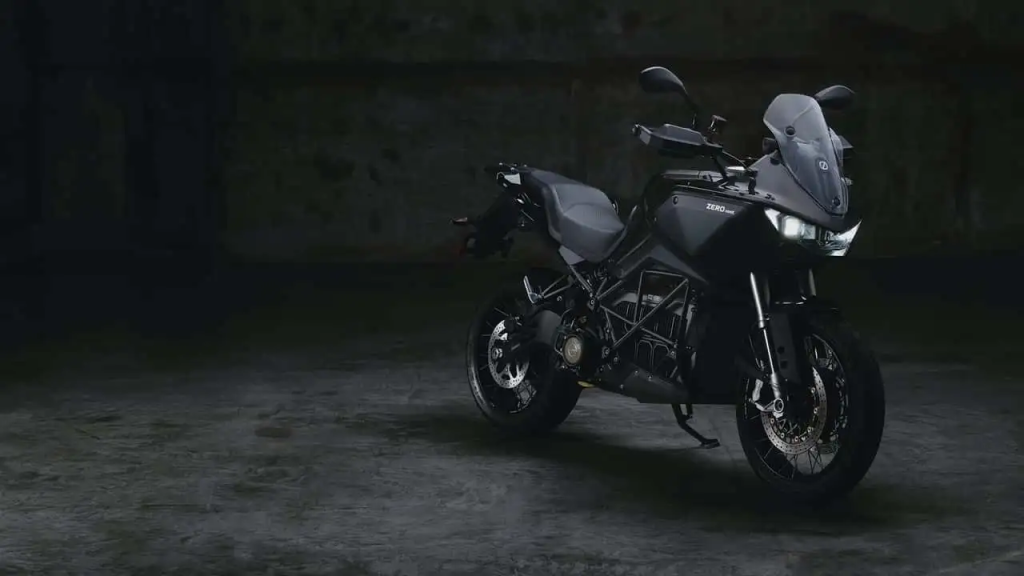
Manufacturers like Zero Motorcycles incorporate Bluetooth connectivity so riders can pair their bikes with a smartphone. Through dedicated apps, users can check battery levels, adjust riding modes, review ride statistics, and sometimes initiate firmware updates.
Bluetooth works over short distances and is designed for convenience, but its security depends on proper pairing protocols. Secure implementations require authentication, encryption, and limited visibility during pairing. If these safeguards are weak, unauthorized devices could attempt to connect while the bike is discoverable.
Firmware and Over the Air Updates
Many connected bikes now support firmware updates, either through a mobile app or via a wired connection. This allows manufacturers to fix bugs, improve performance, or add features after the bike has been sold.
The technology behind this involves secure boot systems and digital signatures. Before installing any update, the vehicle should verify that the software comes from a trusted source. If this verification process is not strict enough, there is a risk that altered or malicious firmware could be installed, which could affect how the bike operates.
RF Keyless Systems
Scooters such as those from Yadea often use radio frequency key fobs instead of traditional keys. When the rider is nearby, the fob sends a signal that allows the scooter to unlock or start.
Stronger systems use rolling codes that change with each interaction, making it difficult to reuse captured signals. Weaker systems rely on static codes, which can be intercepted and replayed. This type of communication does not require internet access, but it still needs encryption and unpredictability to remain secure.
Telematics and Data Systems
Some bikes also include telematics, which collect and transmit data such as location, trip history, and system health. This information is usually accessed through a cloud-connected app.
While useful for tracking and diagnostics, telematics introduce another layer of exposure. Data must be encrypted both during transmission and when stored, and access controls must prevent unauthorized users from retrieving or manipulating that information.
Why the Tech Matters
All of these systems connect digital interfaces to physical control. That link is what makes modern bikes more capable, but also more sensitive to how the technology is implemented. Security in this context is not just about protecting data, but about ensuring that only trusted inputs can influence how the vehicle operates.




















Facebook
Instagram
X (Twitter)
YouTube
LinkedIn
RSS