

Indonesia plans to convert millions of motorcycles to electric, aiming for energy independence, but faces major challenges in infrastructure, cost and public adoption.
Subscribe to our Instagram channel for the latest info and news!
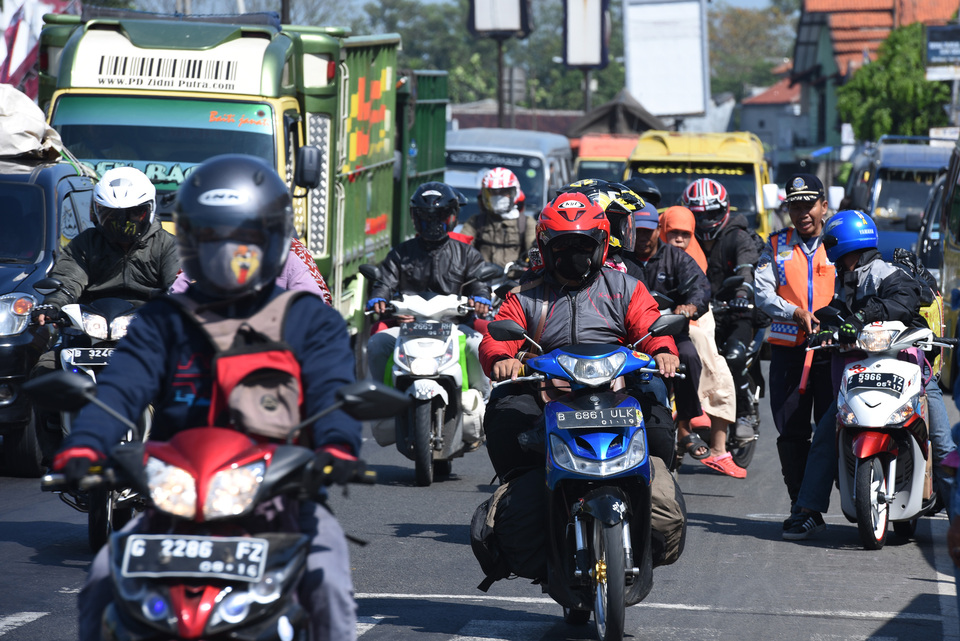
Jakarta’s rush hour has long been defined by noise, heat and the constant hum of motorcycles squeezing through impossibly tight gaps. For millions of commuters, this daily routine is less about convenience and more about endurance, navigating congestion, pollution and the occasional burn from a nearby exhaust pipe. Now, Indonesia’s government wants to fundamentally change that experience.
President Prabowo Subianto has laid out an ambitious vision to replace the country’s vast fleet of petrol powered motorcycles with electric ones. It is part of a broader push toward energy independence, especially as global oil prices remain volatile following the United States–Israel conflict with Iran. For a nation that imports roughly a million barrels of oil per day, reducing reliance on fuel is not just an environmental goal, it is an economic necessity.
Motorcycles are the natural starting point. They dominate Indonesia’s roads, with around 120 million currently in use. Converting them to electric could significantly cut fuel consumption while making daily commutes quieter and cleaner. The government’s timeline, however, has raised eyebrows. Even Energy Minister Bahlil Lahadalia has acknowledged the scale of the challenge, despite optimism that falling technology costs will make conversions more affordable.
There are clear advantages to this approach. Compared to cars, motorcycles are cheaper to convert, and the process itself can be relatively quick. In theory, an experienced workshop can complete a conversion in under two hours. The government is also considering subsidies to bring costs down further, potentially making electric motorcycles accessible to more people.
But the gap between theory and reality remains wide. A previous conversion programme under former president Joko Widodo fell far short of its targets, with only a fraction of expected conversions completed. The reasons were practical. There were too few certified workshops, limited technical expertise and a lack of standardisation across different motorcycle models. Each bike requires a tailored approach, from battery placement to motor compatibility, which complicates efforts to scale quickly.
Infrastructure is another bottleneck. Charging stations are still concentrated in major urban areas, and many riders remain uncertain about the reliability of electric vehicles. This hesitation extends beyond converted bikes to factory built models as well. Consumer trust, it turns out, may be the hardest thing to electrify.
There is also a deeper structural issue. While electric motorcycles produce zero emissions on the road, much of Indonesia’s electricity still comes from coal. Without cleaner energy sources, the environmental benefits of electrification are limited. The government has pledged to expand solar capacity and phase out some diesel power plants, but these changes will take time.
Given these challenges, many experts argue for a more gradual approach. Rather than attempting a nationwide rollout, they suggest focusing on specific groups such as delivery riders or ride hailing drivers who stand to benefit most from lower operating costs. Starting in major cities could also help build the infrastructure and expertise needed for wider adoption.
Indonesia’s electric motorcycle push is a balancing act between ambition and practicality. The vision is compelling, quieter streets, cleaner air and greater energy security. But turning that vision into reality will require more than bold targets. It will demand careful planning, sustained investment and, perhaps most importantly, public confidence.
If the government can align those pieces, Jakarta’s chaotic streets may one day feel very different, not silent, but at least a little less overwhelming.












Facebook
Instagram
X (Twitter)
YouTube
LinkedIn
RSS