

From 250cc to 1000cc, discover the power behind MotoGP’s racing classes and how they define the speed hierarchy of motorcycle racing.
Subscribe to our Telegram channel for instant updates!
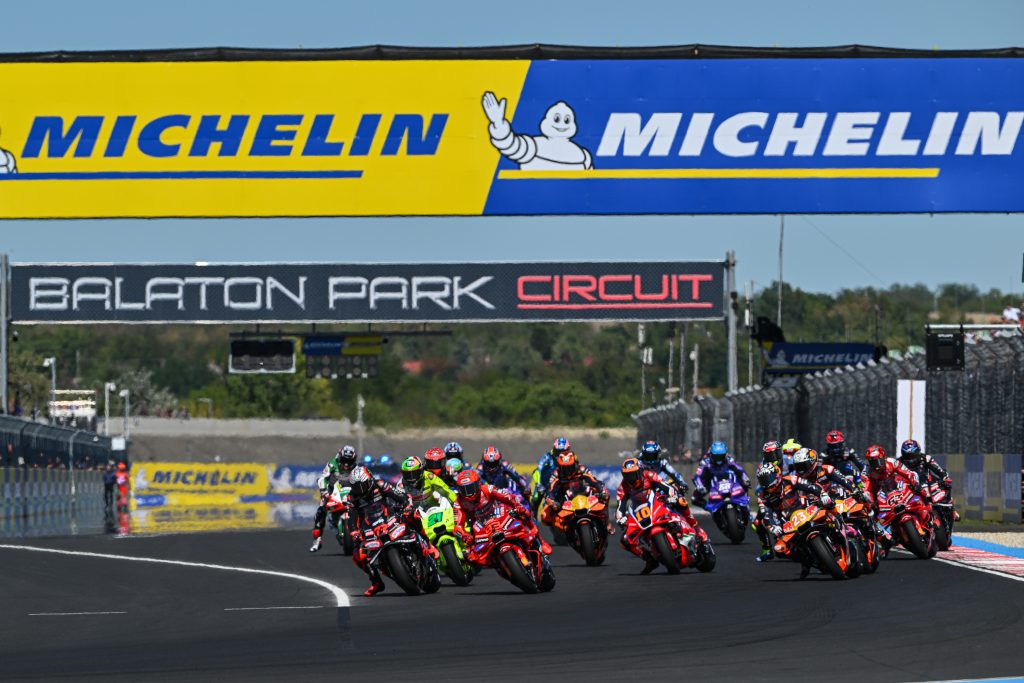
The MotoGP World Championship is the pinnacle of motorcycle racing. This is the place where speed, technology, and human skill come together at the highest level. But not every class in the championship runs the same machines. MotoGP, Moto2, and Moto3 each represent a different step in the racing ladder, with their own engine sizes (CC), power levels, and technologies.
Understanding how many CC each MotoGP category has gives fans a deeper appreciation for what makes these bikes so unique, from the lightweight and nimble Moto3 to the raw power of a MotoGP prototype.
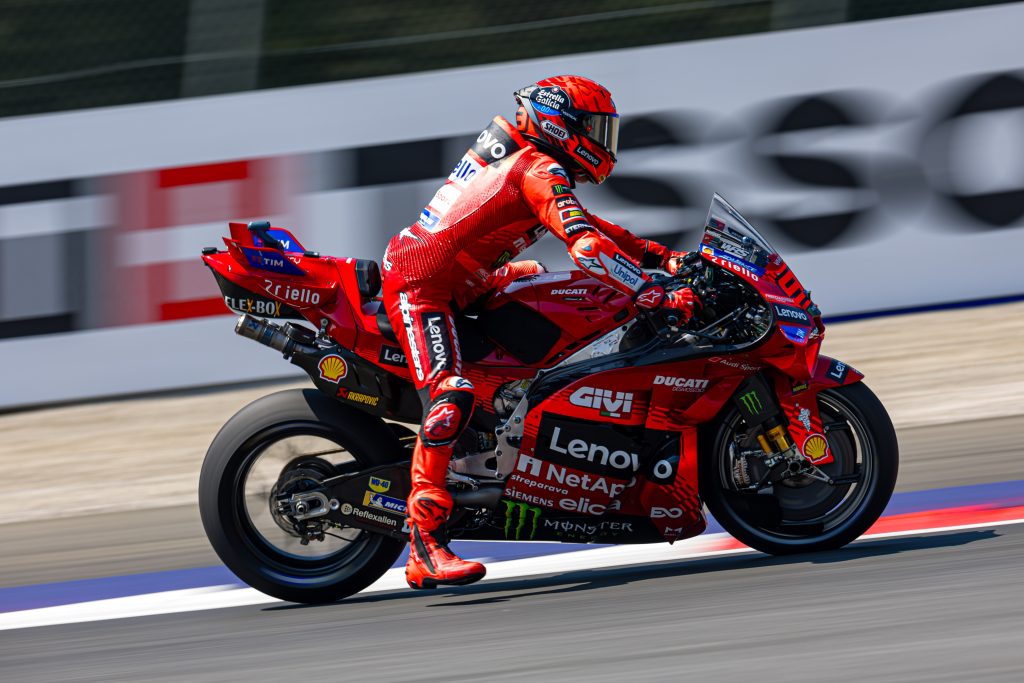
MotoGP – The Premier Class (1000cc of Pure Power)
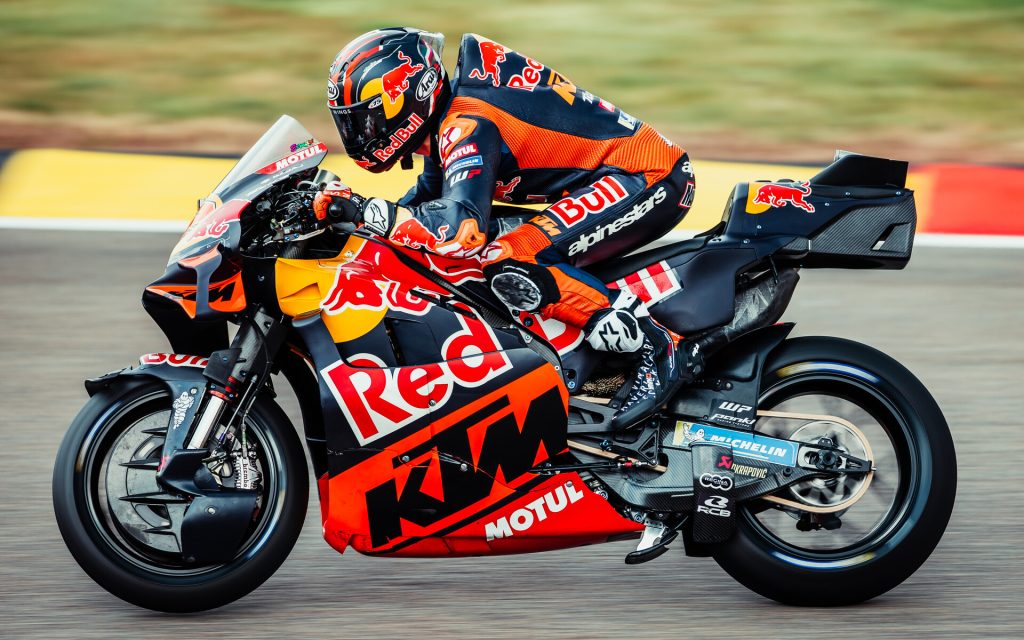
MotoGP is the top class of Grand Prix motorcycle racing, featuring the fastest and most technologically advanced bikes in the world. Every MotoGP bike uses a 1000cc four-stroke engine, with a power output that exceeds 250 horsepower. These prototype machines can reach blistering speeds of 360 km/h or more, depending on the track layout.
Manufacturers like Ducati, Honda, Yamaha, KTM, and Aprilia compete to push the limits of performance and innovation. Unlike production motorcycles, MotoGP bikes are custom-built prototypes that are designed exclusively for racing. Each brand develops its own engine configuration such as V4s for Ducati and KTM, or inline-four for Yamaha, and pairs it with advanced electronics like traction control, launch control, and seamless-shift gearboxes.
With a minimum weight of 157 kg, MotoGP bikes deliver an astonishing power-to-weight ratio, demanding extreme physical and technical skill from the riders. This combination of speed and precision makes MotoGP the ultimate proving ground for both rider and machine.
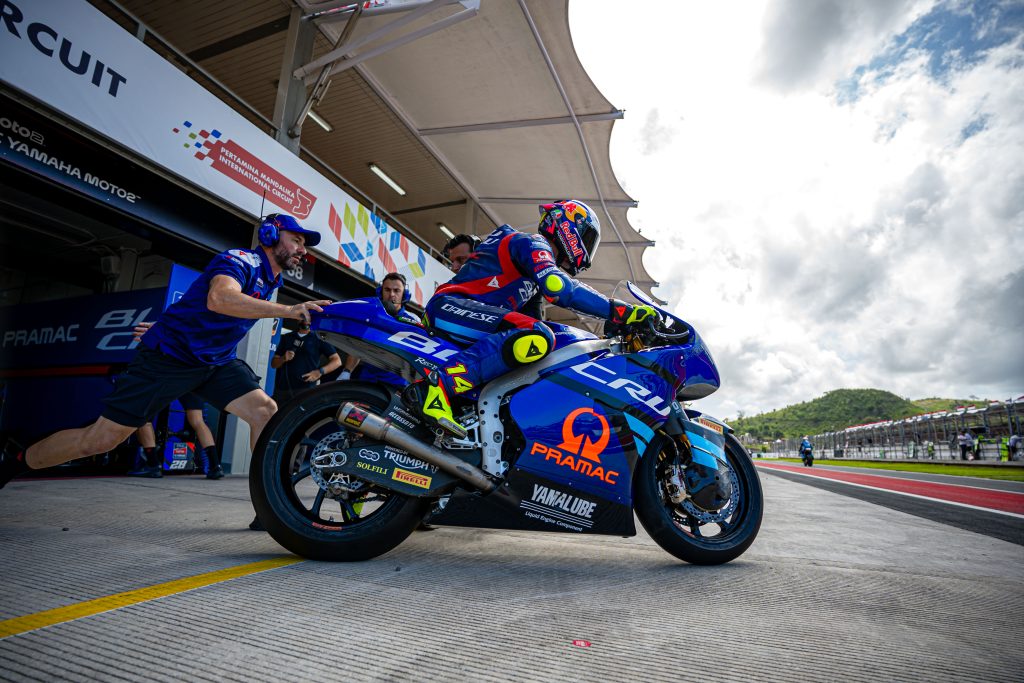
Moto2 – The Perfect Balance (765cc Triple Power)
Moto2 sits one level below MotoGP and serves as the gateway to the premier class. Since 2019, all Moto2 teams have used a 765cc three-cylinder engine supplied by Triumph, derived from the road-going Triumph Street Triple RS. This engine produces around 140 horsepower, which might sound modest compared to MotoGP, but the performance is still incredible. Moto2 bikes can reach speeds up to 295 km/h, offering a perfect balance between agility, power, and rider control.
The focus in Moto2 isn’t just on raw horsepower, it’s also about chassis setup, consistency, and racecraft. Teams are allowed to use different frame manufacturers like Kalex, Boscoscuro, or Speed Up, which creates interesting variations in how each bike handles. Moto2 is often where future MotoGP champions are shaped. Riders learn to manage tire wear, fuel load, and race strategy which are the essential skills needed before making the jump to the top class.
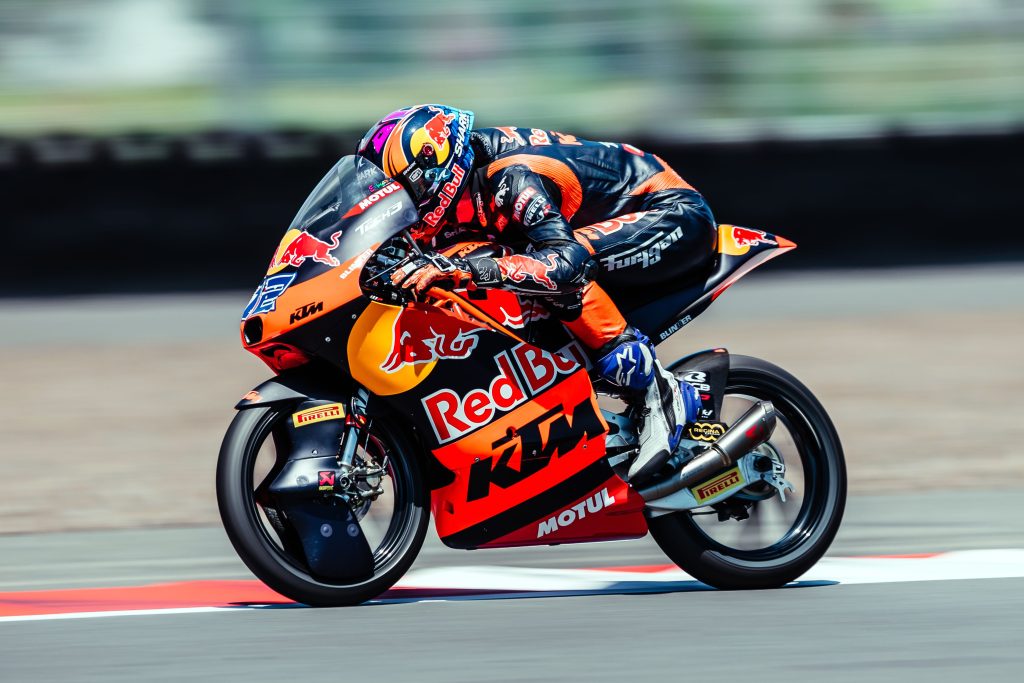
Moto3 – The Starting Point (250cc Lightweight Racers)
Moto3 is the entry-level class of Grand Prix motorcycle racing, where young riders often begin their journey toward MotoGP. All Moto3 bikes use a 250cc single-cylinder four-stroke engine, producing about 55–60 horsepower and reaching top speeds close to 240 km/h.
While these figures may seem small, Moto3 racing is anything but slow. Due to the bikes’ lightweight design, they are incredibly agile, leading to close battles and frequent position changes. It’s not uncommon to see 10 or more riders fighting for the win within just a few seconds of each other.
Manufacturers like Honda and KTM dominate the Moto3 grid, and their focus is on developing bikes that emphasize corner speed, slipstream tactics, and rider finesse. Moto3 is a true test of racecraft, precision, and courage, making it the ideal training ground for future talents.
CC Comparison: MotoGP vs Moto2 vs Moto3
| Category | Engine Capacity (CC) | Configuration | Horsepower | Top Speed | Main Engine Supplier |
|---|---|---|---|---|---|
| MotoGP | 1000cc | 4-cylinder, 4-stroke | 250+ hp | 360+ km/h | Multiple (Ducati, Yamaha, Honda, KTM, Aprilia) |
| Moto2 | 765cc | 3-cylinder, 4-stroke | ~140 hp | ~295 km/h | Triumph |
| Moto3 | 250cc | 1-cylinder, 4-stroke | ~60 hp | ~240 km/h | Honda / KTM |
How Engine CC Affects Racing Performance
The engine capacity (CC) directly impacts a bike’s power, acceleration, and handling. Higher CC means more air and fuel can be burned in the combustion chamber, which generates greater power, but also requiring more control and advanced aerodynamics.
That’s why MotoGP bikes rely on sophisticated electronics and carbon brakes, while Moto2 and Moto3 focus more on rider technique and mechanical grip. Each class is carefully designed to challenge riders at different skill levels, ensuring a clear path of progression through the racing ranks.
Conclusion
From the lightweight 250cc Moto3 bikes to the 1000cc beasts of MotoGP, each category represents a distinct stage of racing evolution. Moto3 develops young riders’ instincts, Moto2 builds technical mastery, and MotoGP showcases the very best in speed, technology, and precision.
Whether you’re a casual fan or a die-hard racing enthusiast, knowing how many CC each MotoGP class has gives you a deeper appreciation for the engineering excellence and human talent that define the sport.









Facebook
Instagram
X (Twitter)
YouTube
LinkedIn
RSS