

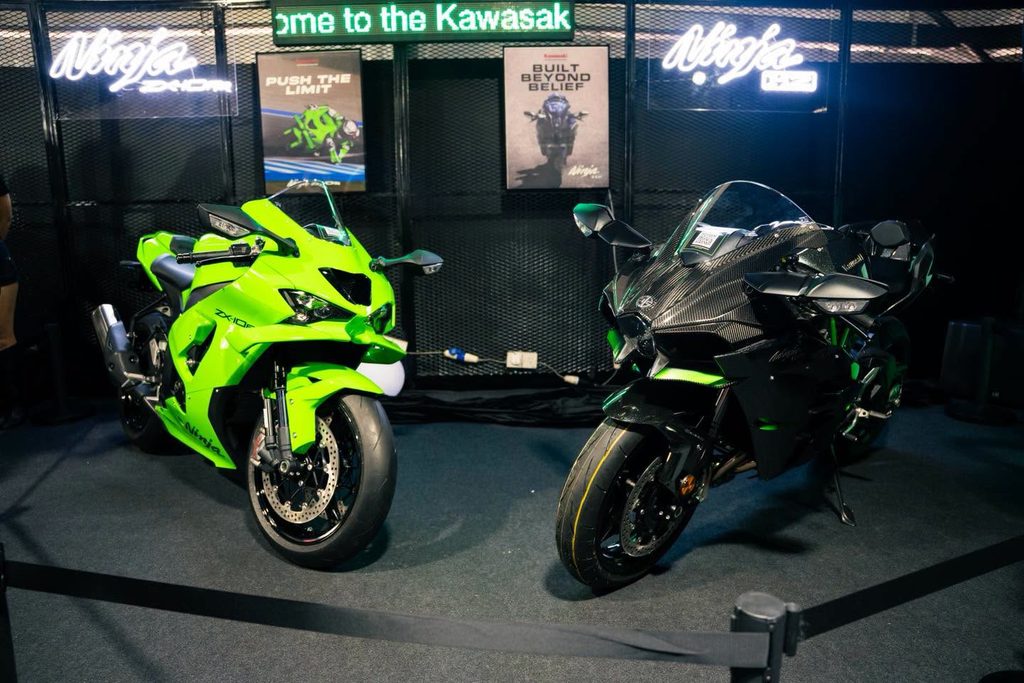
MODENAS exclusively introduced the 2027 Ninja H2 Carbon and 2026 Ninja ZX-10RR during the 2026 Malaysian MotoGP weekend.
Subscribe to our Instagram channel for the latest info and news!
Motosikal dan Enjin Nasional Sdn Bhd (MODENAS), a member of the DRB-HICOM Group, through its distribution arm Edaran Modenas Sdn Bhd (EMOS), has introduced two high-performance Kawasaki motorcycles in Malaysia: the 2027 Ninja H2 Carbon and 2026 Ninja ZX-10RR.
Both models were exclusively showcased during the PETRONAS Grand Prix of Malaysia 2026 at Sepang International Circuit, giving local enthusiasts a closer look at Kawasaki’s latest flagship superbike offerings.
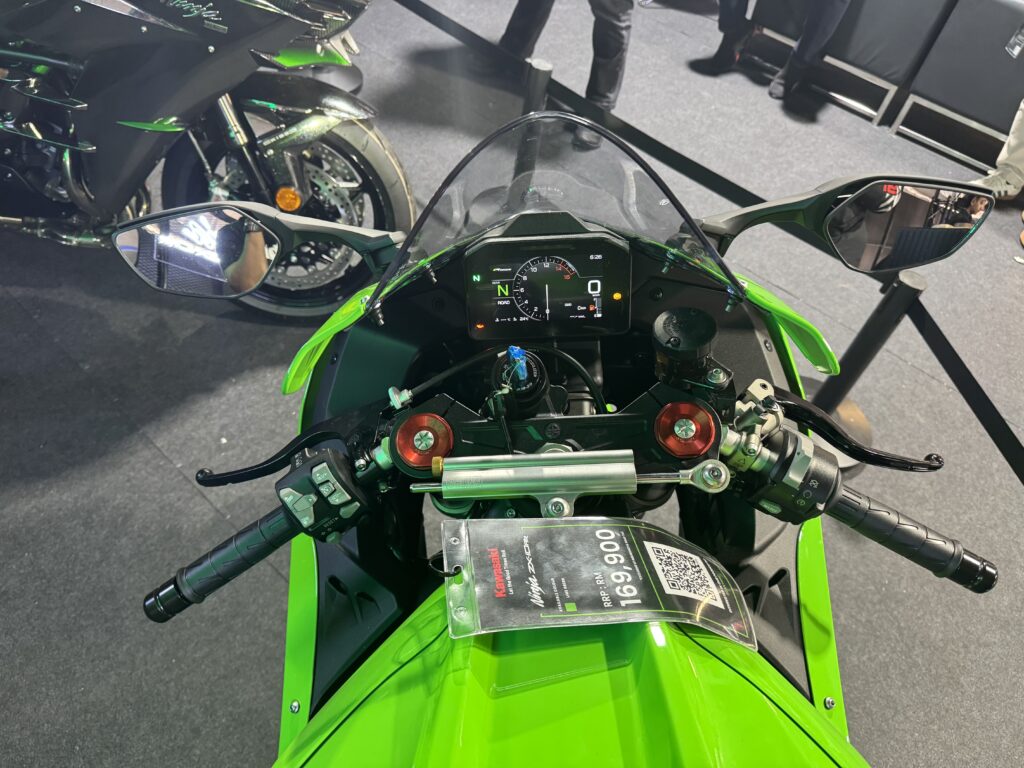
The limited-production Ninja ZX-10RR, with only 500 units available worldwide, carries a recommended retail price of RM169,900. Meanwhile, the supercharged Ninja H2 Carbon is priced at RM199,900. Both prices exclude registration and insurance.
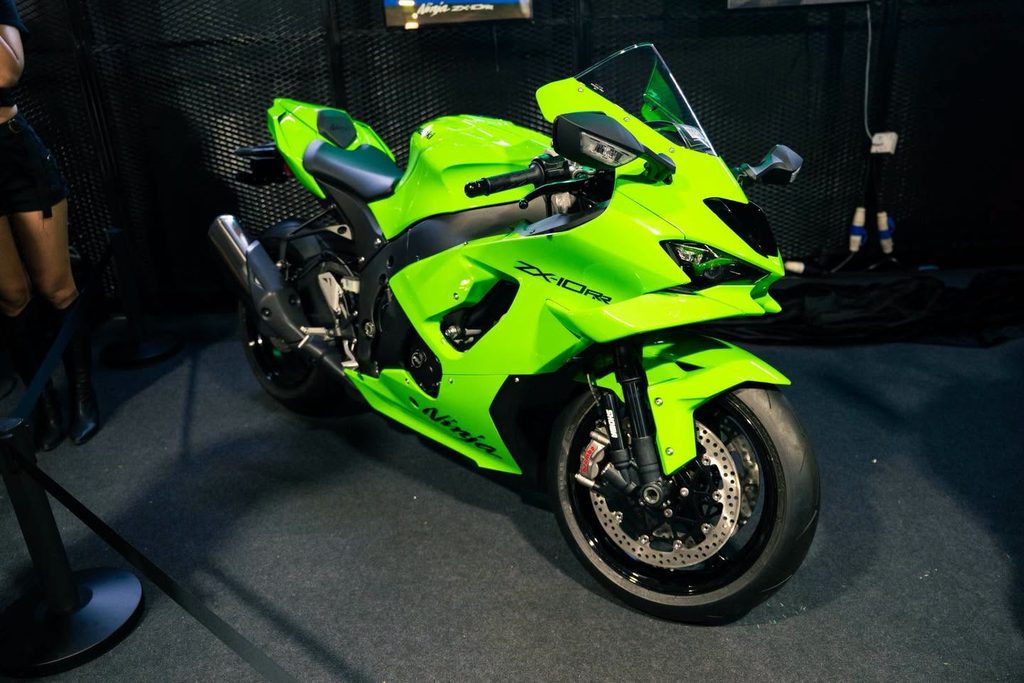
2026 Kawasaki Ninja ZX-10RR
The Ninja ZX-10RR is a more specialised, track-focused version of the Ninja ZX-10R, which was introduced in Malaysia in June 2026 at the Malaysia Bike Show with a price of RM114,600.
Powering the ZX-10RR is a 998cc inline-four engine producing 197PS at 13,200rpm, increasing to 207PS with the assistance of the Ram Air intake system. Maximum torque stands at 110Nm at 11,400rpm, with power delivered to the rear wheel through a six-speed transmission.
One of the main differences between the ZX-10RR and the standard ZX-10R is the use of Pankl titanium connecting rods and specially developed lightweight pistons. These components reduce the engine’s reciprocating mass, allowing it to rev more freely, while the RR variant also benefits from a higher rev limit.
The suspension setup receives specific adjustments for track riding. Up front, it uses a 43mm Showa Balance Free front fork with compression, rebound and spring preload adjustments. The inner fork tubes also receive a special titanium coating to reduce friction.
At the rear, the motorcycle is equipped with a Showa BFRC Lite Horizontal Back-link gas shock absorber with a piggyback reservoir, offering adjustable compression, rebound and spring preload.
Braking is handled by twin 330mm front discs paired with four-piston Brembo M50 calipers, while the rear uses a single 220mm disc. Steel-braided brake hoses are also fitted, while the motorcycle rolls on Pirelli Diablo Supercorsa SP V3 tyres for high-performance riding.
The ZX-10RR comes with an extensive electronics package, including Kawasaki Cornering Management Function (KCMF), Sport-Kawasaki Traction Control (S-KTRC), Kawasaki Launch Control Mode (KLCM), Kawasaki Intelligent anti-lock Brake System (KIBS) and Kawasaki Engine Brake Control. Other features include a two-way Kawasaki Quick Shifter (KQS) and cruise control.
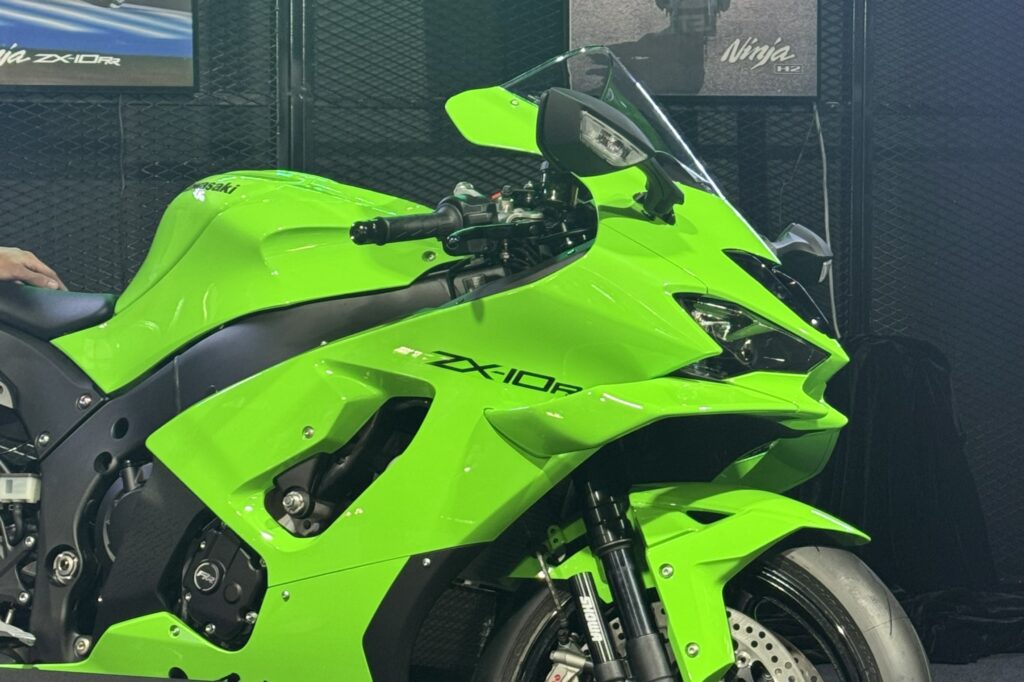
For the 2026 model, Kawasaki has also introduced updated aerodynamic components, including front winglets, alongside Öhlins steering dampers as standard equipment. Its single-seat configuration further distinguishes it from the regular ZX-10R.
The motorcycle is finished in Kawasaki’s signature Lime Green colour, with a total weight of 207kg and a 17-litre fuel tank. Wheel sizing on the ZX-10R is 17-inches front and rear, wearing 120/70 front and 190/55 rear tyres.
The ZX-10RR also carries a strong racing heritage, having contributed to seven WorldSBK Riders’ Championship titles. Tom Sykes secured the title in 2013, followed by Jonathan Rea’s six consecutive championships between 2015 and 2020.
Kawasaki continues to campaign the model in WorldSBK, with Garrett Gerloff representing the manufacturer in the 2026 season. The Japanese brand has also confirmed its racing programme for 2027, keeping the ZX-10RR closely connected to its superbike development efforts.
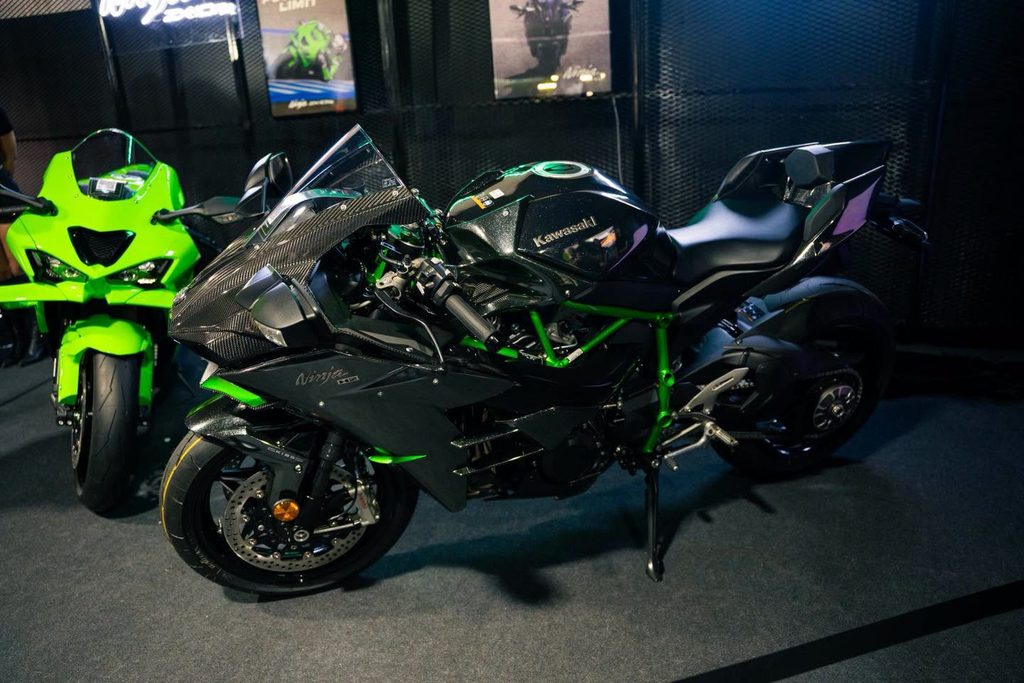
2027 Kawasaki Ninja H2 Carbon
The Ninja H2 Carbon takes a different approach to performance, combining a supercharged 998cc inline-four engine with carbon-fibre bodywork. As Kawasaki’s flagship road-legal supercharged hypersport motorcycle, it draws on engineering expertise from across the Kawasaki Heavy Industries Group, including aerospace and gas turbine technology.
Its liquid-cooled, DOHC, 16-valve engine is equipped with a Kawasaki-developed centrifugal supercharger, producing a claimed 231PS at 11,500rpm. With Ram Air assistance, output increases to 243PS.
The engine is paired with a six-speed dog-ring transmission, a system designed to provide quicker and more direct gear engagement compared with a conventional gearbox. A wet clutch is also fitted, with power delivered to the rear wheel.
The Ninja H2 Carbon is based on the standard Ninja H2, with its carbon-fibre front cowl being one of its main distinguishing features. The design takes inspiration from the track-only Ninja H2R.
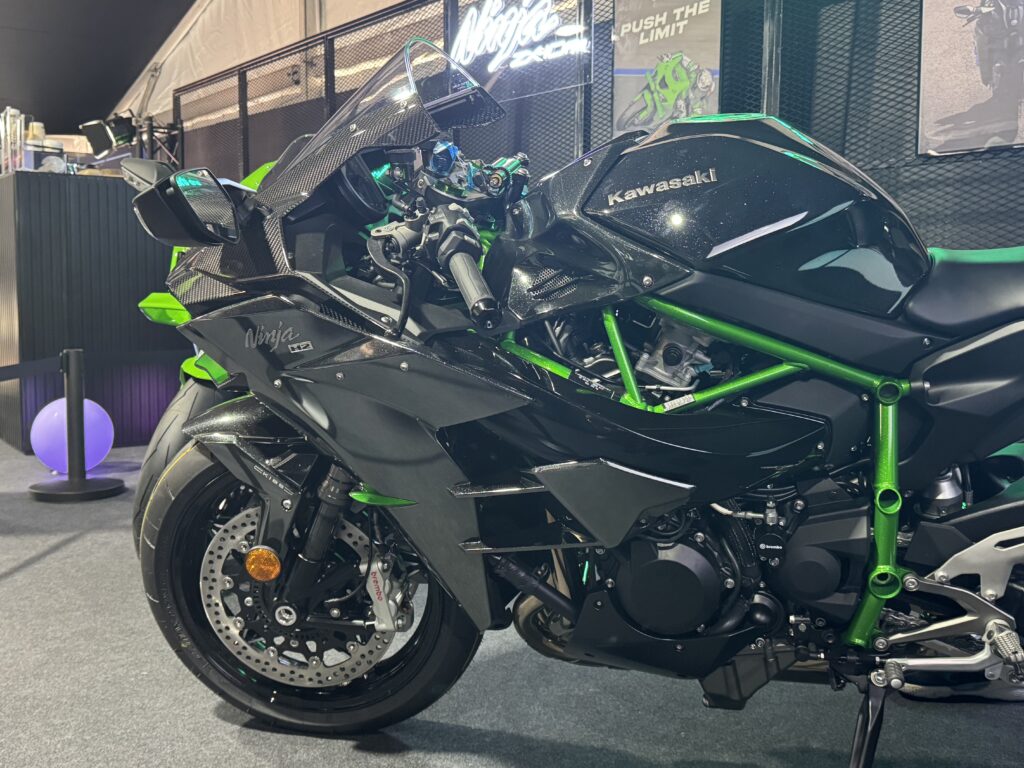
Underneath, it uses a high-tensile steel trellis frame, supported by 43mm KYB AOS-II inverted front forks with adjustable compression, rebound and preload settings. At the rear, an Öhlins TTX36 gas-charged shock absorber with an external reservoir provides further suspension adjustment.
Braking comes from twin 330mm semi-floating front discs with radially mounted, four-piston Brembo Hypure monobloc calipers. The rear receives a 250mm disc with a two-piston caliper, supported by ABS and Kawasaki Intelligent anti-lock Brake System (KIBS).
The electronic rider assistance package includes Kawasaki Traction Control (KTRC), Kawasaki Launch Control Mode (KLCM), Kawasaki Engine Brake Control (KEBC) and Kawasaki Cornering Management Function (KCMF). Riders also get Kawasaki Quick Shifter (KQS), electronic throttle control, selectable power modes and cruise control.
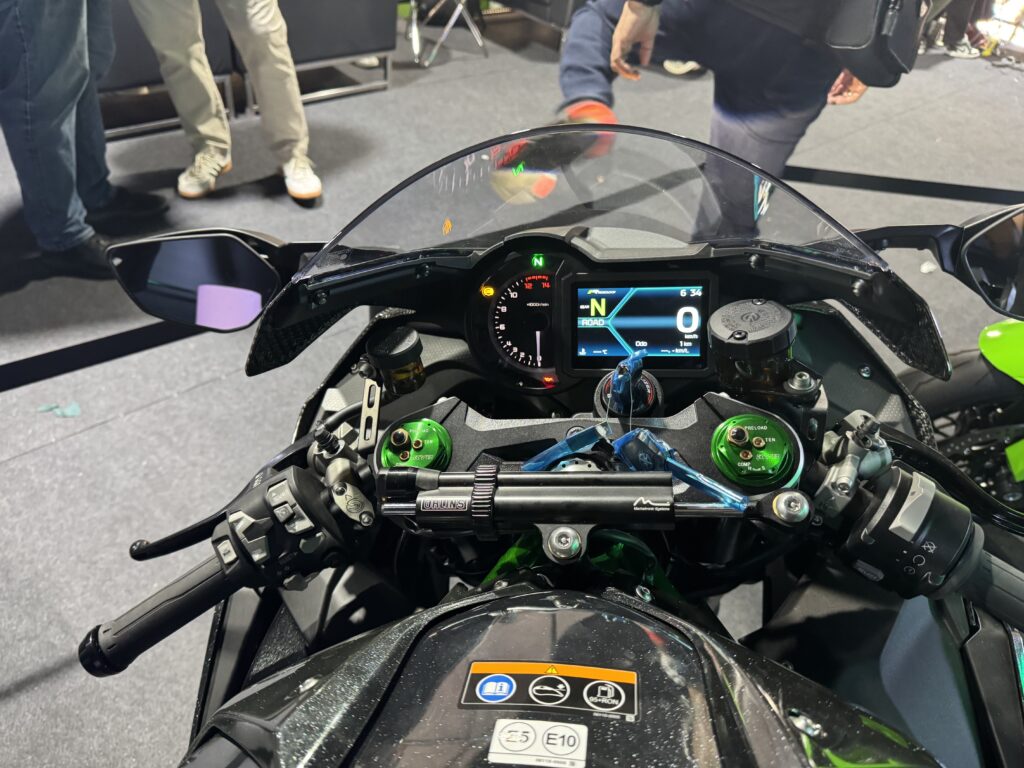
The instrument panel combines an analogue display with a colour TFT screen, providing additional information such as supercharger boost pressure and lean angle.
Another distinctive feature is Kawasaki’s Silver-Mirror paint finish, which uses a self-healing coating designed to repair certain minor scratches. Its aerodynamic package includes front-cowl spoilers and wing-profile rear-view mirror stalks, which are designed to generate downforce and improve stability at high speeds.
The Ninja H2 Carbon has a 17-litre fuel tank and a kerb weight of 238kg, including fuel and other fluids. It runs on 120/70 ZR17 front and 200/55 ZR17 rear tyres, and is finished in Matte Spark Black and Candy Flat Blazed Green.
Both models cater to different sides of the superbike market, with the ZX-10RR focusing on track-derived performance and limited-production exclusivity, while the supercharged H2 Carbon delivers Kawasaki’s distinctive forced-induction technology in a road-legal package.











Facebook
Instagram
X (Twitter)
YouTube
LinkedIn
RSS