

Nearly a Decade of Evolution: Here’s How Kawasaki’s Popular Middleweight Naked Bike Has Changed From the Original Z650 to the Latest Z650S.
Subscribe to our Instagram channel for the latest info and news!
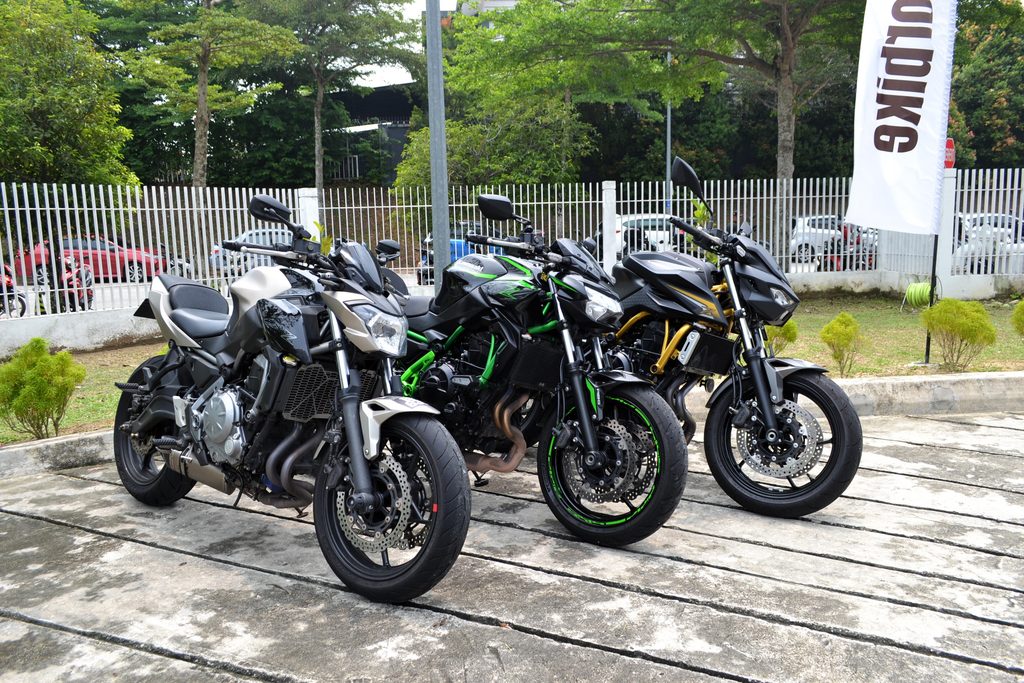
Since replacing the ER-6n in 2017, the Kawasaki Z650 series has become one of the most popular middleweight naked motorcycles on the market. Known for its lightweight chassis, rider-friendly parallel-twin engine and everyday practicality, the Z650 has appealed to everyone from beginners to experienced riders.
Beyond that, this bike has long been the top choice for riding schools nationwide offering Full B license courses, thanks to its lightweight frame and easy maneuverability for learners.
Over the years, Kawasaki has continued refining the formula rather than completely redesigning it. While the engine has remained largely unchanged, each generation has introduced improvements in styling, electronics, rider comfort and technology. The latest 2026 Z650S also brings revised ergonomics and a fresh design language while retaining the characteristics that made the Z650 successful.
Furthermore, Kawasaki has appended an “S” to the Z650 badge. While Japanese industry outlet Webike.net attributes the designation to “Stunning, Style, Stage, and Spotlight,” a stronger case can be made for Sugomi. The machine embraces an overtly aggressive aesthetic, defined by a low crouching posture, sharp body paneling, and an unmistakable silhouette that marries signature Sugomi styling with dynamic Z-range performance.
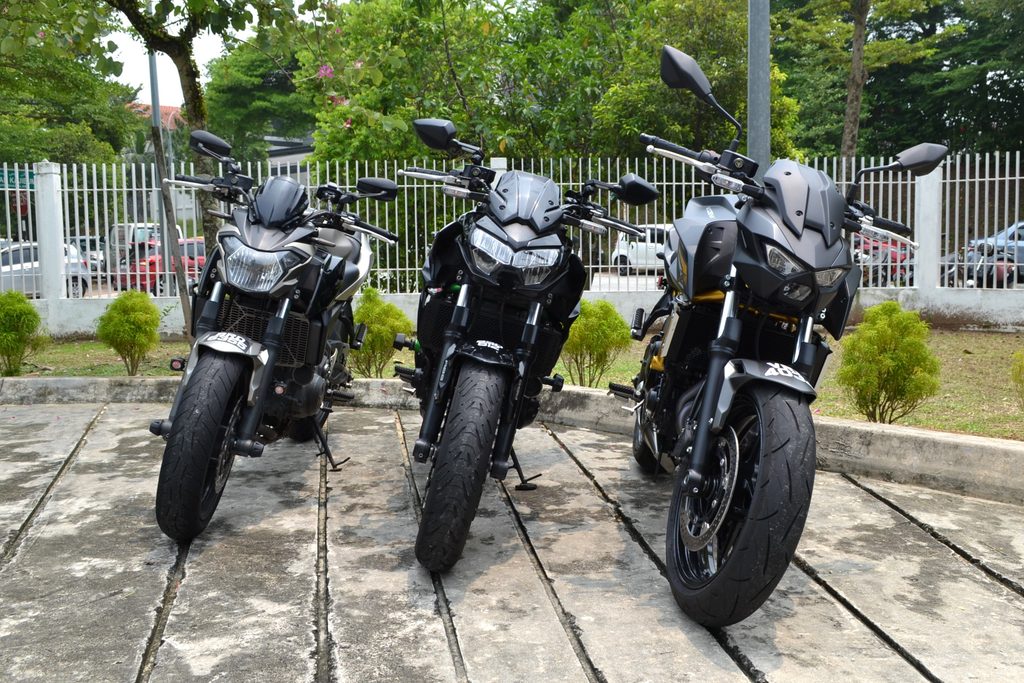
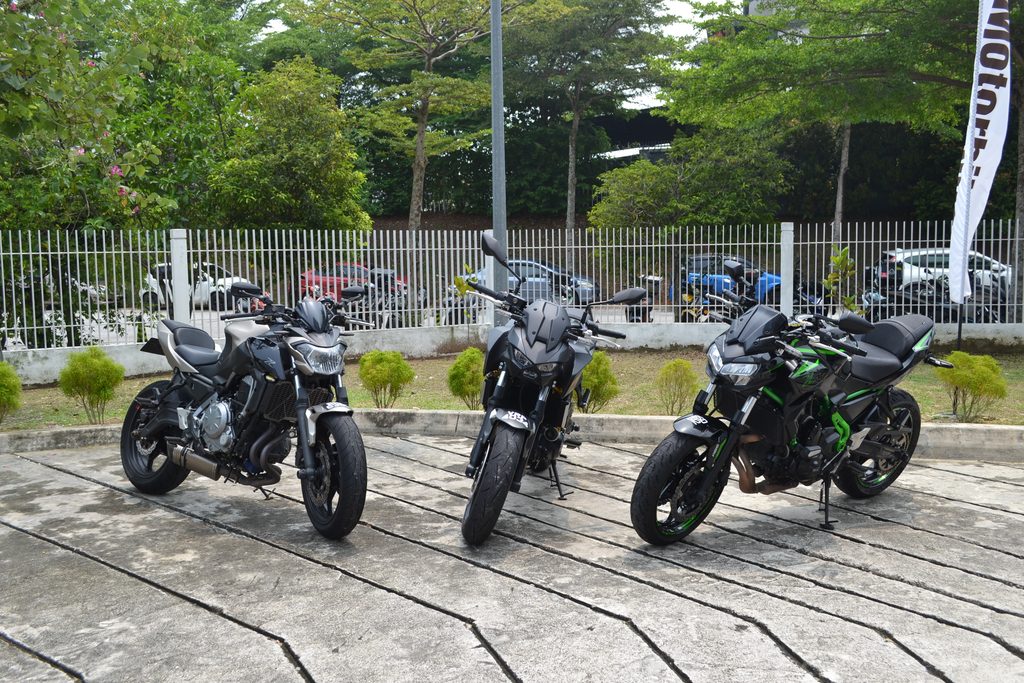
So, how much has the Z650 actually changed over the years? Lets take a look from the first generation which is the 2017 Kawasaki Z650 that represents the first generation of the modern, parallel-twin naked z series motorcycle line and also the 2023 Z650 that marks the Modenas partnership with Kawasaki.
Engine and Performance: Familiar Power That Still Delivers
While Kawasaki originally used the “Z650” name for an inline-four motorcycle back in the late 1970s, the 2017 model launched an entirely new modern lineage. It directly replaced the long-running Kawasaki ER-6n.
All three motorcycles share the same 649cc liquid-cooled DOHC parallel-twin engine, making 67 hp and around 64-65 Nm of torque, paired to a six-speed gearbox with Assist & Slipper clutch. The engine continues to be one of the strongest in its class thanks to its smooth power delivery, excellent low-to-mid-range torque and approachable nature.
The riding experience remains familiar regardless of the model year. From commuting through the city, carving through some twisty roads or heading out on a weekend ride, the engine is able to provide enough responsiveness without going too overboard.
The biggest difference lies in refinement. The newer generations feature updated ECU calibration, improved throttle response and better overall ride quality, although outright performance figures remain largely unchanged. So, if you’re expecting a significant increase in power, you won’t find it here on the 650s. Kawasaki did not follow the big horsepower route, but instead focused on refining an already capable engine.
Design and Technology: Where the Biggest Changes Happened
The 2017 Z650 introduced Kawasaki’s aggressive, lightweight “Sugomi”-inspired styling with sharp bodywork, an LED taillight and a lightweight steel trellis frame. Instrumentation was relatively simple, featuring an LCD display, without smartphone connectivity, and dual-channel ABS which came as standard.
By 2023, the motorcycle received a noticeable facelift. Kawasaki redesigned the front end with a more aggressive LED headlight while introducing a full-colour TFT display with Bluetooth smartphone connectivity that supports Kawasaki’s Rideology app. Kawasaki’s KTRC system also became available with 3 selectable modes. Modes 1 & 2 for sporty riding/reduced intervention, Mode 3 for slippery/wet conditions, and there is also an option to turn it completely off.
The latest 2026 Z650S builds upon the 2023 platform instead of starting from scratch. It receives redesigned body panels, updated LED lighting, revised fuel tank styling, wider handlebars positioned slightly further forward, rear-set footpegs and an updated TFT display with selectable display themes and improved connectivity.
While the overall design remains unmistakably Z-series, the latest model looks cleaner, more sleek, sharp and more modern than its predecessors.
Ergonomics and Comfort: Small Tweaks, Noticeable Difference
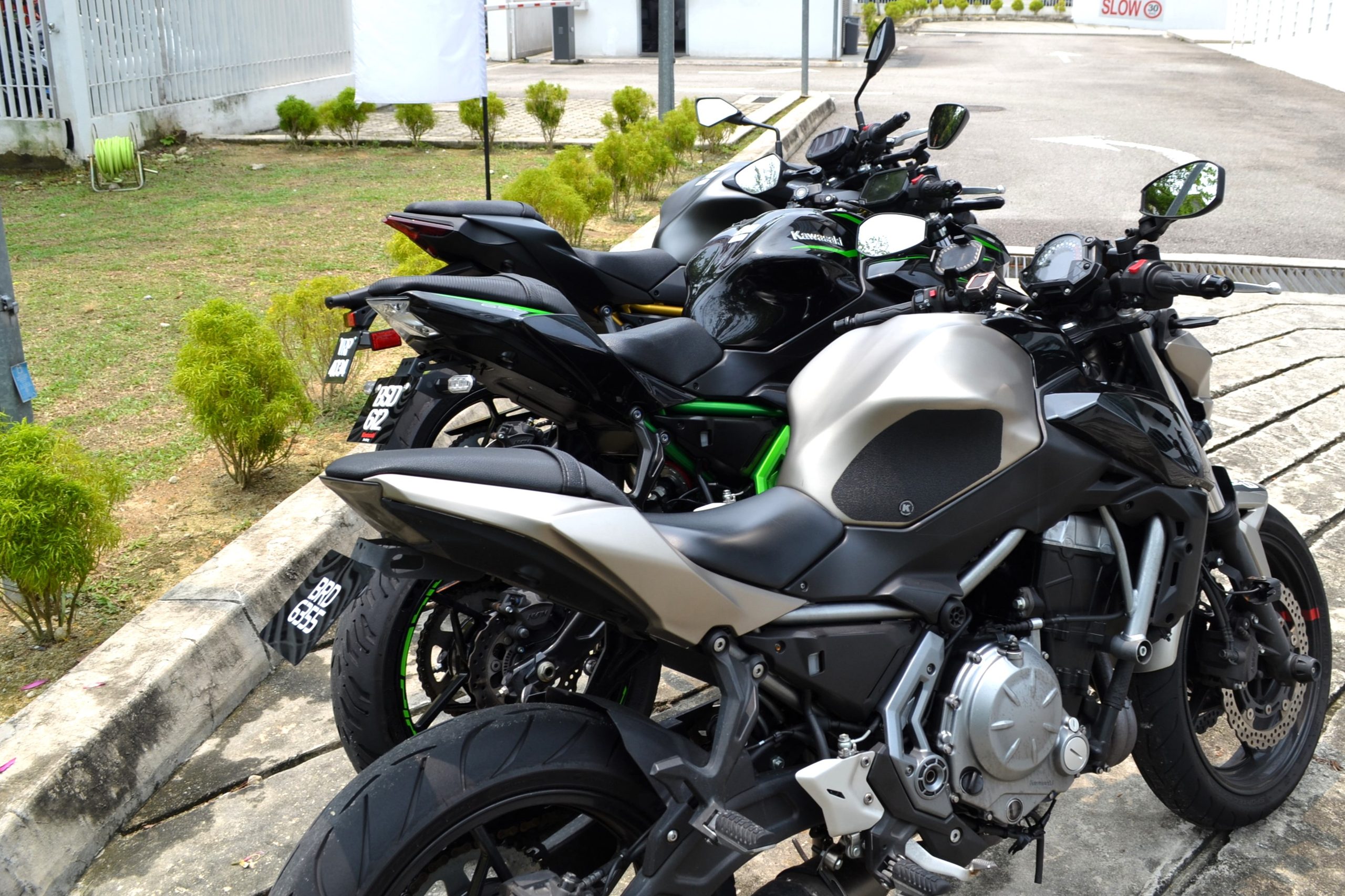
Although the riding position has always been one of the Z650’s strengths, Kawasaki has continued making subtle improvements over the years. The 2017 and 2023 models share very similar ergonomics, with an approachable seat height of around 790 mm and a relaxed upright riding position suitable for daily commuting.
For the 2026 Z650S, Kawasaki revised the rider triangle by fitting wider handlebars, moving them slightly further forward and repositioning the footpegs slightly rearward. The seat height also increases to 805 mm, creating a sportier yet still comfortable riding position. The revised ergonomics offer better leverage during spirited riding without sacrificing everyday comfort.
For shorter riders, the earlier generations may still feel slightly easier to manage, while taller riders are likely to appreciate the updated ergonomics of the newest model.
What Has Stayed the Same?
Not everything needed changing. Across all three generations, Kawasaki has retained many of the features that made the Z650 popular in the first place.
These include:
- 649cc parallel-twin engine
- Lightweight trellis frame
- Six-speed transmission
- Comfortable upright riding position
- Excellent fuel efficiency
- Easy handling for both city and highway riding
Rather than redesigning the motorcycle completely, Kawasaki has chosen to refine an already successful package with each update.
Kawasaki Z650 Evolution Comparison
| Specification | 2017 Z650 | 2023 Z650 | 2026 Z650S |
|---|---|---|---|
| Engine | 649cc Parallel Twin | 649cc Parallel Twin | 649cc Parallel Twin |
| Maximum Power | 67 hp | 67 hp | 67 hp |
| Maximum Torque | 65.7 Nm | 64 Nm | 64 Nm |
| Transmission | 6-speed | 6-speed | 6-speed |
| Front Suspension | 41 mm Telescopic fork | 41 mm Telescopic fork | 41 mm Telescopic fork |
| Rear Suspension | Horizontal back-link with adjustable preload | Horizontal back-link with adjustable preload | Horizontal back-link with adjustable preload |
| Front Brake | Dual 300 mm semi-floating petal discs, dual-piston calipers with ABS | Dual 300 mm semi-floating petal discs, dual-piston calipers with ABS | Dual 300 mm semi-floating discs, dual-piston calipers with ABS |
| Rear Brake | Single 220 mm petal disc with ABS | Single 220 mm petal disc with ABS | Single 220 mm disc with ABS |
| Seat Height | 790 mm | 790 mm | 805 mm |
| Weight | 187 kg | 188 kg | 190 kg |
| Fuel Tank Capacity | 15 Liters | 15 Liters | 15 Liters |
| Top Speed | 190 to 200 km/h | 195 to 220 km/h | 195 to 210 km/h |
Which Generation Should You Choose?
The 2017 Kawasaki Z650 remains an excellent choice for riders looking for an affordable entry into the middleweight naked bike segment. It delivers the same enjoyable engine and lightweight handling while typically costing much less on the used market.
The 2023 Kawasaki Z650 strikes an excellent balance between price and technology. It retains the familiar riding experience while adding a TFT display, smartphone connectivity and traction control, making it one of the best-value used options.
The 2026 Kawasaki Z650S is aimed at riders who want the most refined version of Kawasaki’s popular naked bike. With updated ergonomics, refreshed styling and improved technology, it offers the most polished riding experience without changing the bike’s proven formula.
Final Verdict
The Kawasaki Z650 has never been about chasing the highest horsepower figures or the latest cutting-edge technology. Instead, it has always been about delivering a lightweight, confidence-inspiring motorcycle that’s equally enjoyable for commuting, weekend rides and everyday use.
If budget is your biggest concern, the 2017 Z650 still represents fantastic value. If you want modern electronics without paying for a brand-new motorcycle, the 2022 model is arguably the sweet spot. However, for riders seeking the most refined package with updated styling, improved ergonomics and enhanced technology, the 2026 Kawasaki Z650S is the most complete version of the Z650 to date.











Facebook
Instagram
X (Twitter)
YouTube
LinkedIn
RSS