

The way you sit and position your body while riding doesn’t just affect comfort, it directly influences your motorcycle’s handling, suspension lifespan, and overall performance.
Subscribe to our Instagram Channel for instant news & updates!
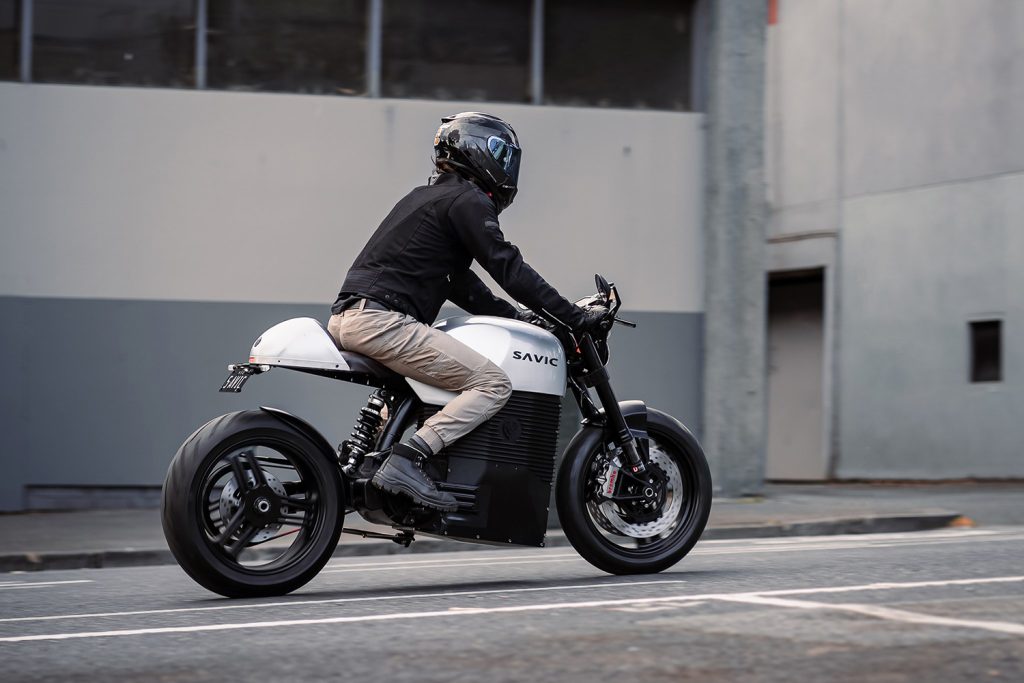
Many riders focus on engine performance, tires, or suspension upgrades, but often overlook one critical factor, which is rider posture. How you sit, lean, and distribute your weight directly affects how your motorcycle handles corners, absorbs bumps, and wears down suspension components over time. Understanding the connection between posture and motorcycle performance can help you ride more efficiently while protecting your bike.
Proper Weight Distribution
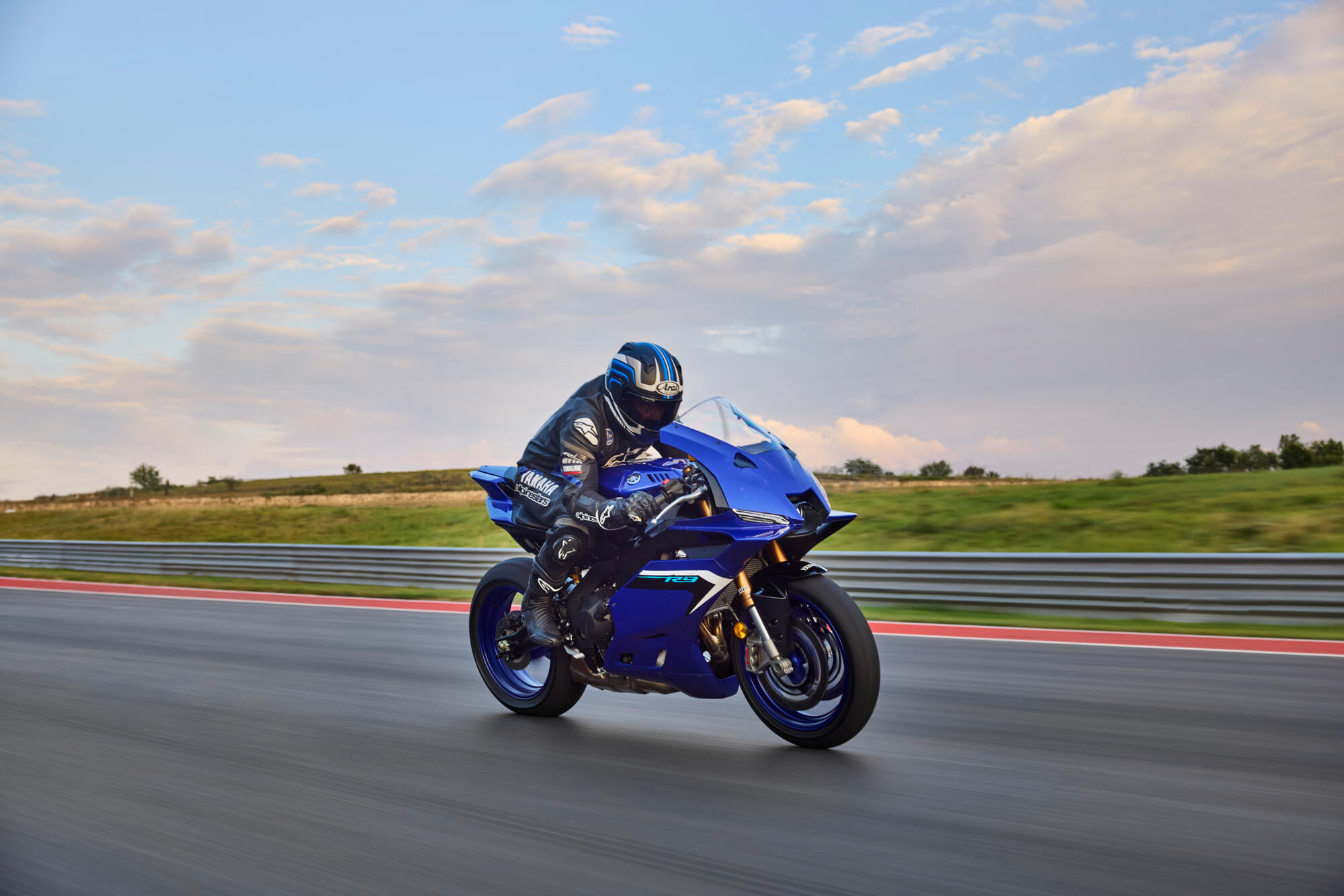
Rider posture has a direct impact on weight distribution, which in turn affects handling and balance. Leaning too far forward or sitting too upright shifts weight unevenly between the front and rear wheels. Over time, this uneven distribution can cause the front suspension to compress excessively, the rear shock to carry more load than intended, and tires to wear unevenly, which reduces traction and stability. Maintaining a neutral and balanced position allows the suspension to function as designed, improving both stability and comfort.
Leaning and Cornering
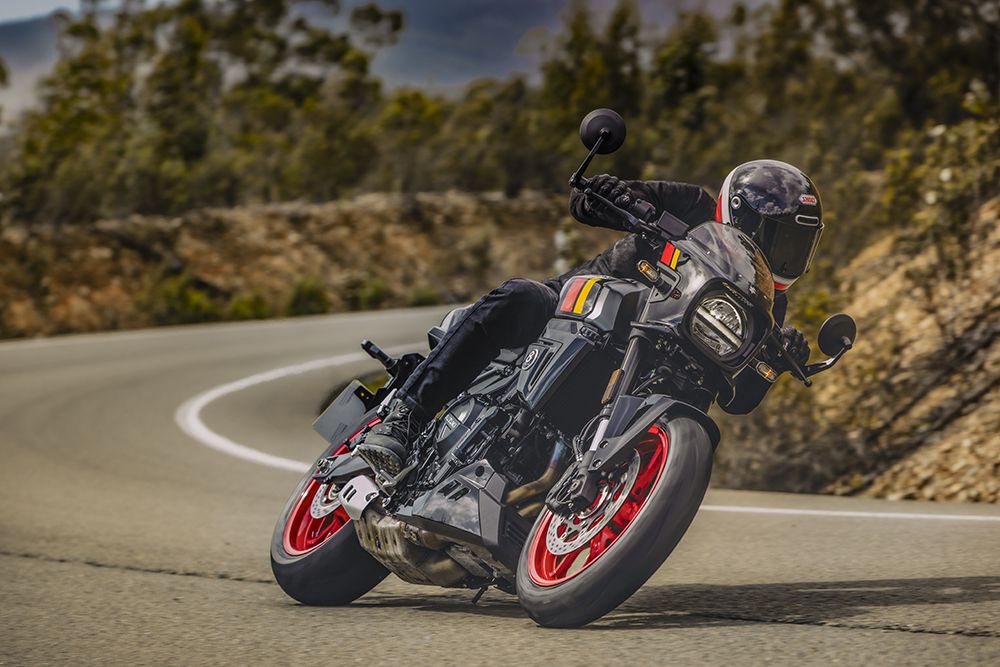
During cornering, riders naturally lean their bodies to maintain balance, but improper techniques can put extra stress on the motorcycle. Over-leaning or leaning only from the upper body can strain forks and shock absorbers, cause premature wear on suspension seals, and result in unstable handling. By shifting weight smoothly with the bike and keeping the knees and elbows relaxed, riders allow the suspension to absorb forces effectively instead of resisting them, enhancing both safety and control.
Effects on Suspension Longevity
Rider posture directly influences how the suspension cycles and wears over time. Consistently poor posture can cause forks and rear shocks to bottom out more frequently, springs and damping components to wear unevenly, and suspension travel to reduce, which ultimately affects ride quality. Riders who maintain proper posture distribute forces evenly across the bike, helping suspension components last longer and reducing the likelihood of costly repairs.

Improving Rider Posture
Achieving proper rider posture begins with a combination of comfort and balance. Sitting upright but relaxed, keeping elbows slightly bent, and engaging the core muscles can significantly reduce strain on the back and shoulders. Leaning in coordination with the bike during turns and maintaining a neutral position when riding straight ensures optimal weight distribution. Foot placement on the footpegs also plays a role in stability, allowing for better leverage and control over the motorcycle.
Comfort and Control
Good posture is not just about protecting your bike, it also reduces rider fatigue. A relaxed and balanced position allows for longer rides without discomfort, giving riders more precise control and reducing errors that could place additional stress on motorcycle components.
Conclusion
Rider posture is a critical, yet often overlooked, factor in motorcycle performance, suspension wear, and overall comfort. Small adjustments in how you sit, lean, and distribute your weight can prevent premature wear on suspension components, improve handling, and enhance the overall riding experience. By focusing on proper posture, riders protect their motorcycles while enjoying safer, more controlled, and more comfortable rides.






















Facebook
Instagram
X (Twitter)
YouTube
LinkedIn
RSS