

Indonesia backs a shift to electric motorcycles, with industry support growing despite challenges in infrastructure, investment, and consumer adoption.
Subscribe to our Instagram channel for the latest info and news!
Indonesia is stepping more firmly into the electric era, with plans to gradually phase out gasoline-powered motorcycles. The idea is simple on paper: prioritise electric bikes for the domestic market while continuing to produce conventional models for export. In practice, it is a careful attempt to modernise without disrupting one of the country’s most important industries.
The proposal, led by Industry Minister Agus Gumiwang Kartasasmita, has been broadly welcomed by manufacturers. For companies like ALVA, it signals that Indonesia is serious about building a long-term EV ecosystem, not just testing the waters.
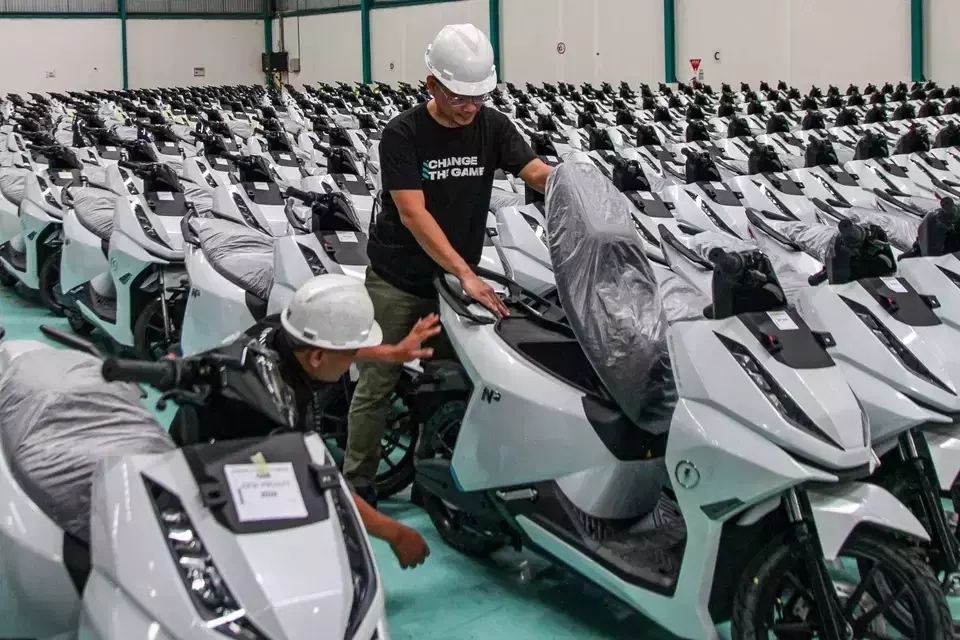
ALVA says it is ready to scale, with a production facility capable of turning out up to 100,000 units a year. Its CERVO model has even cleared European certification, showing that local players are thinking beyond the domestic market. But production capacity is only part of the story.
What really matters now is whether the rest of the ecosystem can keep up. Charging infrastructure is still developing, though ALVA has rolled out over 200 connectors across key regions. Consumer behaviour is another factor. Buyers are becoming more practical, weighing convenience, running costs, and reliability before making the switch.
There are also questions around policy consistency. Electric motorcycle sales actually fell in 2025, partly due to uncertainty over subsidies. Industry players say clearer incentives and long-term direction will be key to unlocking bigger investments.
Even so, momentum is building. More brands are entering the space, pricing is becoming more flexible, and awareness is growing. Industry groups, including those led by Budi Setiyadi, support the government’s direction but emphasise the need to keep both domestic growth and export opportunities in play.
Indonesia’s transition to electric motorcycles is not happening overnight. But the direction is clear, and with the right mix of policy, infrastructure, and consumer confidence, the shift looks less like a question of if and more like when.











Facebook
Instagram
X (Twitter)
YouTube
LinkedIn
RSS