

A motorcycle needs to undergo a thorough inspection to ensure it is in good condition. Find out the main components that are usually checked by mechanics before the motorcycle is put on the market.

Subscribe to our Instagram channel for the latest info and news!
Buying a used motorcycle can be a smart choice, especially if you plan on buying the model you want at a more affordable price. However, one of the things that buyers often worry about is the actual condition of the motorcycle. Is the engine still in good condition? Has the motorcycle ever been in an accident? Is there any hidden damage that cannot be seen?
This is why a check-up by an experienced mechanic is important before a motorcycle is put on the market. A thorough inspection not only helps to identify any problems, but also gives potential buyers confidence that the motorcycle is truly in good condition. Here are some of the main components that a mechanic will usually check.
1. Engine Condition
The engine is the most important part of a motorcycle. Therefore, it is one of the first components that gets inspected. The mechanic will observe whether the engine starts up easily, running smoothly, or makes noises such as knocking, excessive vibration, or oil leaks.
In addition, the engine’s performance at idle and when the throttle is twisted will also be assessed to ensure it is running smoothly. If there are any signs of wear or damage, it will usually be identified and sometimes resolved before the motorcycle is sold to the buyer.
2. Braking System
The braking system plays an important role in safety. The mechanic will check the thickness of the brake pads, the condition of the brake discs, the brake fluid level and ensure that the front and rear brakes are working properly.
Any unusual noises or unresponsive brake feel will also be looked into. A brake system that is in good condition gives confidence to the rider and helps to reduce the risk of accidents.

3. Tires and Suspension
The condition of your tires can have a major impact on your motorcycle’s grip and stability. A mechanic will check the tire tread pattern, wear level, air pressure and ensure that there are no cracks or damage to the tires.
At the same time, the front and rear suspensions are also checked to ensure they are still able to absorb shocks well and are not experiencing any leaks. Tires and suspensions that are in good condition make the ride more comfortable and safe.
4. Chain and Sprocket
A chain that is too loose, too tight or worn out can affect the performance of your motorcycle. During the inspection, the mechanic will look at the condition of the chain, front and rear sprockets and make sure that everything is still in good condition.
If there is significant wear or adjustment required, it will be identified before the motorcycle is sold. This inspection is important because this component transfers power from the engine to the rear wheel.
5. Electrical System
The electrical system is also a part that cannot be ignored. The headlights, taillights, brake lights, turn signals, horn, meter and battery charging system are usually tested to ensure that everything is working properly.
The mechanic will also check the condition of the battery because a weak battery is often the cause of a motorcycle being difficult to start. A properly functioning electrical system ensures that the motorcycle is safe to be ridden at any given time.
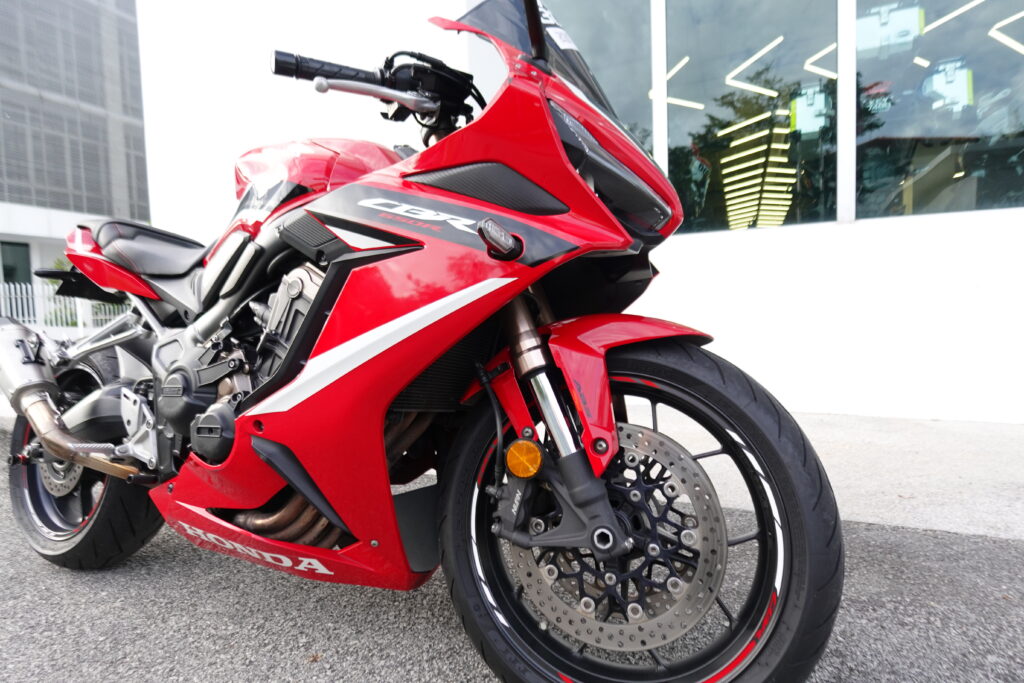
6. Chassis and Accident Signs
Even if the motorcycle’s exterior looks good, the mechanic will still inspect the chassis to ensure there are no signs of serious damage. This inspection includes looking for any bends, cracks, excessive rust or signs of accident repairs.
A chassis in good condition is very important as it is the main structure of the motorcycle. This inspection also helps prevent buyers from buying a motorcycle with structural problems that may be difficult to detect.
Why is a Mechanical Inspection Important?
Many buyers only look at the external condition of a motorcycle such as paint, accessories or mileage. While these factors are important, they do not necessarily reflect the true condition of the motorcycle.
Through a thorough inspection, problems that are hard to see can be identified beforehand. This gives buyers confidence and helps them make more informed decisions. For sellers, a well-inspected motorcycle is also easier to gain the trust of potential buyers.
Conclusion
An inspection is not just about looking at the external condition of the motorcycle. It involves checking the engine, braking system, tires, suspension, chain, electrical system and chassis to ensure the motorcycle is in good condition and safe to use.
If you are looking for a used motorcycle with more confidence, iMotorbike offers motorcycles that have been thoroughly inspected by an experienced team through the iMotorbike Certified system. With a thorough inspection, you can get a quality used motorcycle that is ready to be ridden. Visit the iMotorbike website to learn more about iMotorbike Certified and buy a used motorcycle with more confidence.













Facebook
Instagram
X (Twitter)
YouTube
LinkedIn
RSS