

The third-generation M Motorsport frame is around 1.3kg lighter than its predecessor, with BMW Motorrad bringing lessons from World Superbike racing into its production superbike.
Subscribe to our Instagram channel for the latest info and news!
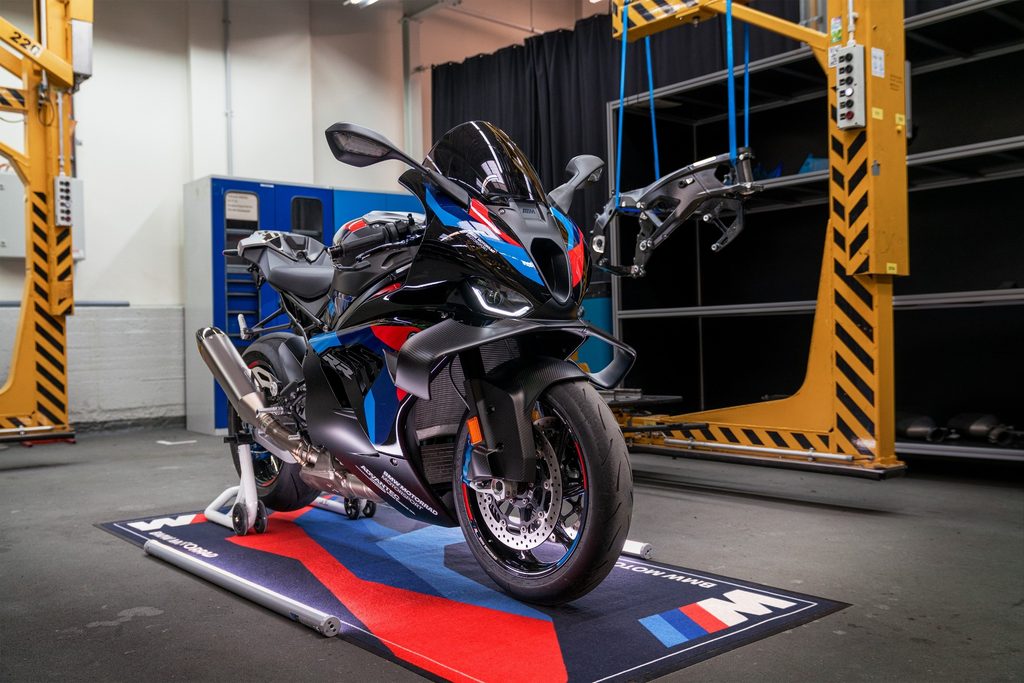
BMW Motorrad has introduced the third-generation M Motorsport frame for the 2027 BMW M 1000 RR, bringing racing-derived technology and specialised manufacturing processes to its production superbike.
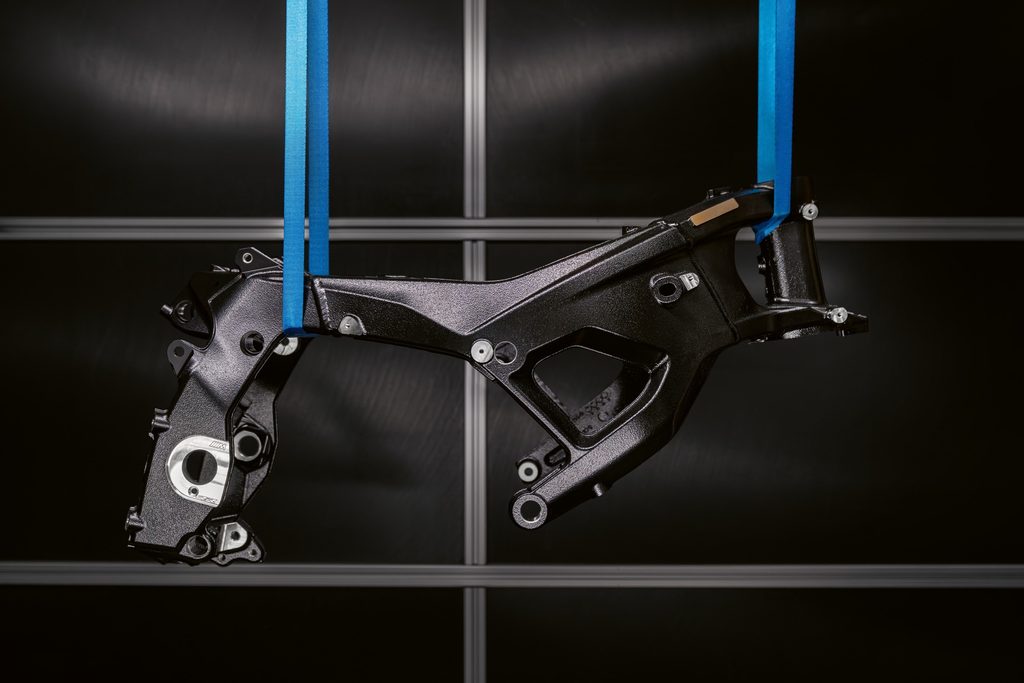
The new aluminium frame is approximately 1.3kg lighter than the previous version, with wall thicknesses reduced by up to 30%. According to BMW, the design combines digital development methods with experience gained from racing, allowing the production motorcycle to benefit from technology used by its factory and customer racing teams.
BMW has reduced the frame’s wall thicknesses to lower its overall weight while carefully controlling its stiffness. The aim is to provide the right balance between stability under heavy loads and flexibility when cornering.
According to BMW, the frame is designed to flex sideways by a controlled amount when the motorcycle is leaned over. This allows the frame to work alongside the suspension to absorb bumps and irregularities in the road surface.
When cornering, the fork and rear shock absorber compress at an angle relative to the bumps the motorcycle encounters. The frame’s controlled flex helps manage these forces, potentially maintaining more consistent tyre contact with the road.
BMW says this approach improves feedback for the rider and promotes more even tyre wear. Meanwhile, the frame retains longitudinal stiffness to ensure braking and acceleration forces are transmitted accurately, helping the motorcycle remain predictable under demanding riding conditions. The reduced weight is also intended to make the M 1000 RR easier to manoeuvre during rapid changes of direction.
From WorldSBK Racing to Production
The new frame reflects BMW Motorrad’s efforts to bring racing development directly into its production motorcycles. Its significance also comes against the backdrop of the manufacturer’s recent World Superbike Championship success.
In 2024, BMW competed in WorldSBK with a more flexible frame developed under the championship’s superconcession rules. These provisions allow eligible manufacturers additional freedom to modify certain components to improve competitiveness. That season, Toprak Razgatlioglu secured BMW’s first WorldSBK Riders’ Championship title.
However, in January 2025, Dorna and the FIM reportedly rejected the modified chassis for the new season following objections from rival manufacturers over its differences from the production motorcycle. BMW subsequently competed with a production-specification frame.
Razgatlioglu went on to defend his WorldSBK title in 2025 before moving to MotoGP for the 2026 season. With the latest frame design now incorporated into the road-going M 1000 RR, BMW has established a production-based platform that it can use across different racing series. The manufacturer can therefore return to the concept for competition in 2027.
Three BMW Plants Involved in Frame Production
The development and production of the new frame involve three BMW facilities in Germany, with each responsible for a different stage of the process. At BMW Motorrad Development in Munich, engineers digitally develop the frame’s geometry, wall thicknesses and stiffness distribution. The design is then evaluated through simulations, test rigs and riding tests before moving into production.
BMW Group Plant Landshut manufactures the four main castings that form the frame: the steering head, left and right side sections, and rear section. The facility uses low-pressure casting, a process that fills moulds in a controlled manner to reduce turbulence and the risk of trapped air.
Quartz sand cores are used to create hollow sections within the castings. Each component undergoes X-ray inspection, wall-thickness checks and coordinate measurements before being sent to Berlin.
At BMW Group Plant Berlin, the four castings are TIG-welded together to form the completed frame. The structure then receives a cathodic dip coating to protect against corrosion, including within enclosed cavities.
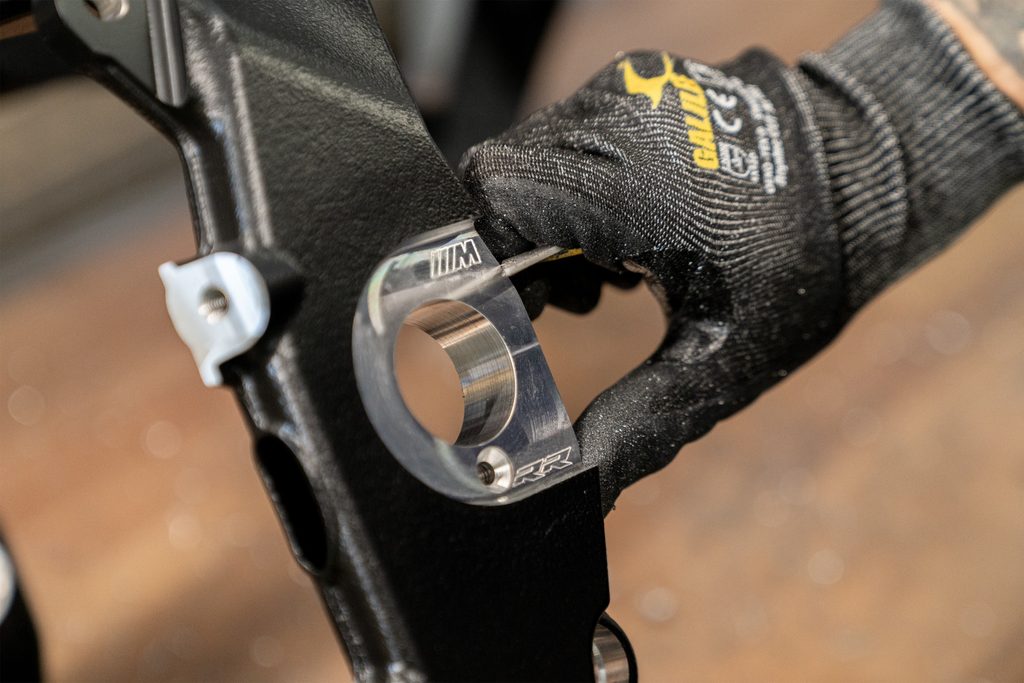
Final milling operations bring the mounting points to their required dimensions, followed by a final coordinate measurement to verify the frame before it is approved for motorcycle assembly.
2027 BMW M 1000 RR Updates
The new frame is part of a wider model-year update for the 2027 BMW M 1000 RR, which BMW announced in July. The updated model now comes with M Forged Wheels as standard equipment. BMW has also replaced the previous M Competition Package with two M Track packages, offering buyers a choice between configurations with or without M Carbon Wheels.
Orders opened in August, although BMW has yet to announce pricing for the 2027 model. The latest frame highlights BMW Motorrad’s approach to transferring racing development into its production superbikes, with the combination of reduced weight, controlled flexibility and precise manufacturing intended to improve the M 1000 RR’s performance on both road and track.












Facebook
Instagram
X (Twitter)
YouTube
LinkedIn
RSS