

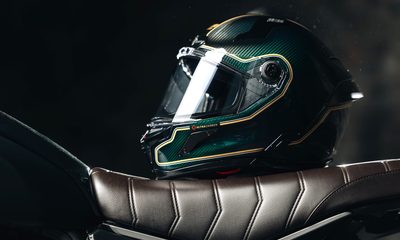
KLIM rethinks modular helmets with the GT1 Expedition, blending sleek design, advanced Koroyd protection, and long-distance comfort.
Subscribe to our Instagram channel for the latest info and news!
Let’s just say it out loud. Modular helmets have never exactly been style icons. They’ve always leaned more “ultra-practical touring gear” than “effortlessly cool.” You get convenience, comfort, and flexibility, sure. But you also get a look that tends to scream long-distance rider with a checklist.
Still, riders keep coming back to them. Why? Because they work.
Flip-up chinbars, built-in sun visors, better airflow, easy stops without removing your helmet. Modular lids are the multitools of the riding world. Not flashy, but incredibly useful. And now, KLIM is trying to prove they don’t have to look awkward to be functional.
A modular helmet that actually looks good
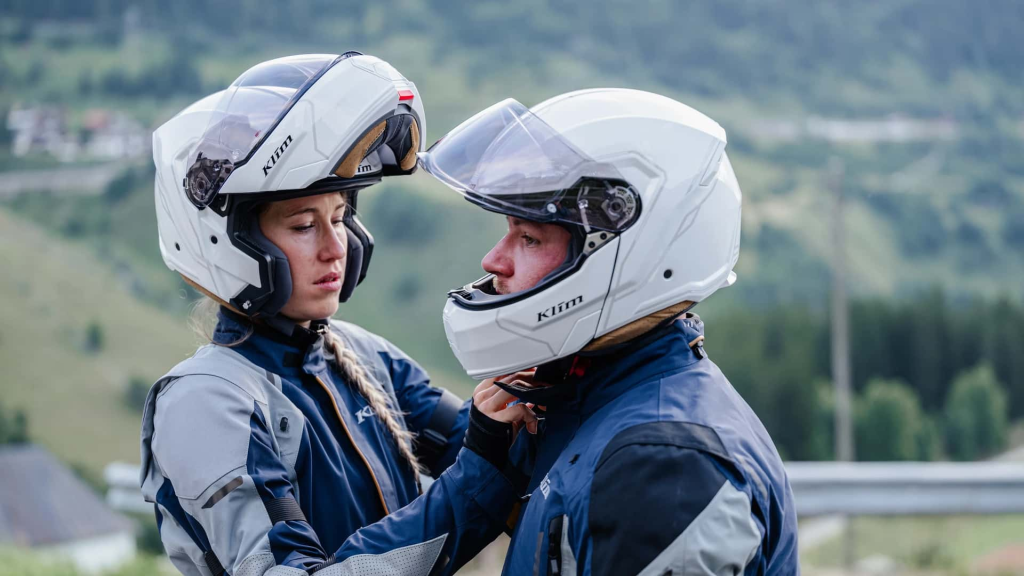
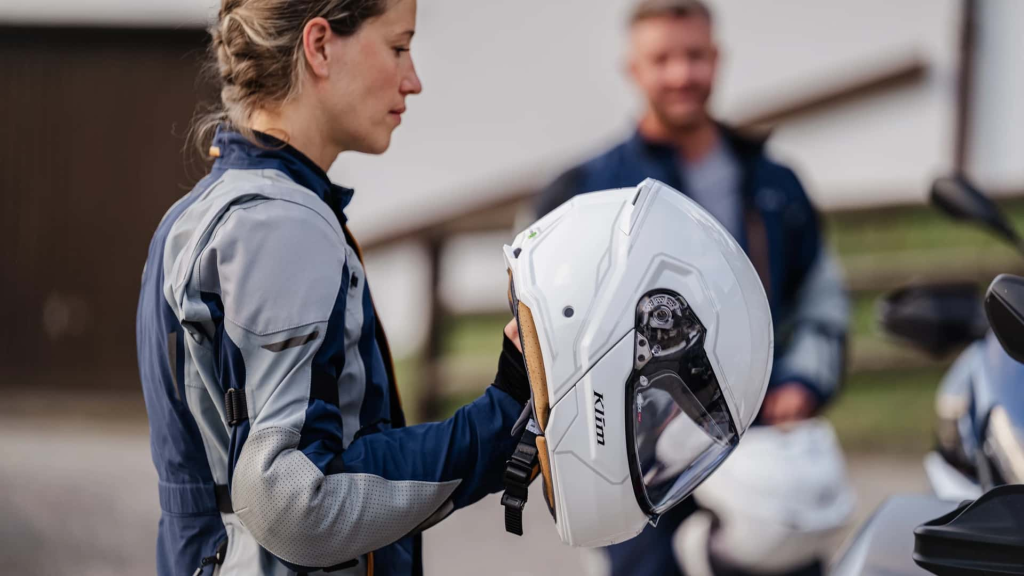
The new GT1 Expedition feels like a deliberate shift in how modular helmets are designed. Instead of leaning into that bulky, overly technical look, this one keeps things sharp and streamlined. Even with the chinbar flipped up, it doesn’t give off that exaggerated, top-heavy profile most modular helmets struggle with.
That alone is a big deal.
KLIM spent five years developing this helmet, and it shows in the details. They didn’t just tweak an existing design. They reworked how a modular helmet should look, feel, and perform, using in-house wind tunnel testing to fine-tune aerodynamics and reduce noise at real highway speeds.
Lightweight strength without compromise
Under the surface, the GT1 Expedition is built with carbon fiber, which already puts it in premium territory. But the real talking point is its use of Koroyd, a material that’s starting to gain traction in high-end protection gear.
If you’ve never heard of Koroyd, think of it as a honeycomb made of tiny welded tubes. Instead of simply compressing like traditional foam, it crumples in a controlled way on impact, absorbing energy more efficiently and reducing rebound.
KLIM combines this with EPS foam, which allows the helmet to handle both low-speed and high-speed impacts more effectively. The result is a helmet that manages to stay relatively light while still prioritizing safety, which is usually a tough balance to strike.
Built for long days in the saddle
Touring riders know that comfort isn’t a luxury, it’s survival. After hours on the road, even small annoyances like wind noise or helmet weight can wear you down.
KLIM clearly designed the GT1 with that in mind. The helmet is engineered to reduce drag and cut down on noise, especially at highway speeds around 75 mph where fatigue really starts to build. There’s also a strong focus on airflow, with a ventilation system that works alongside the breathable Koroyd structure to keep heat in check.
The face shield is another highlight. It offers high optical clarity, built-in fog resistance, and adaptive tinting that adjusts to changing light conditions. That means fewer distractions and less fiddling with visors mid-ride.
A smarter flip-up design
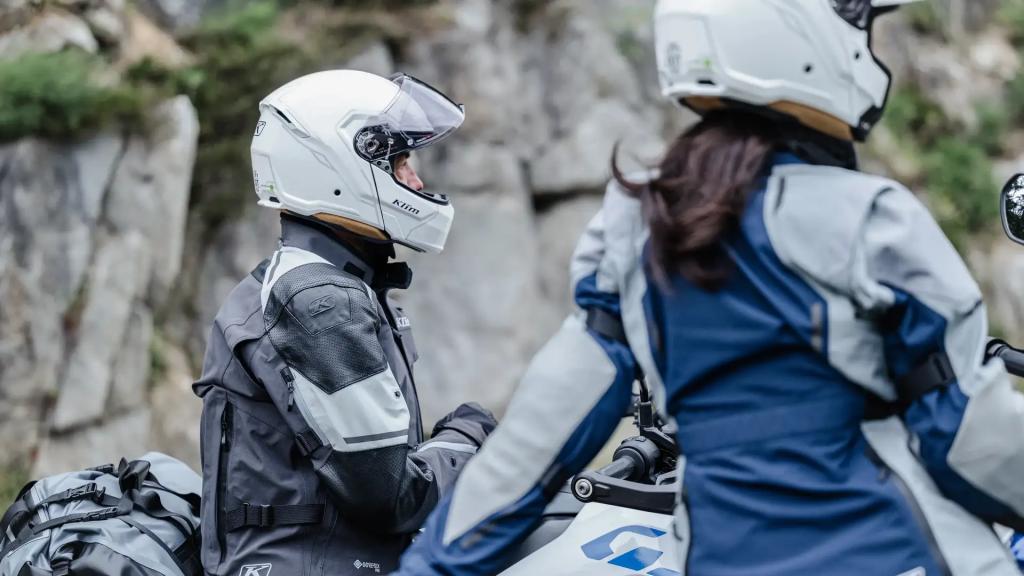
One of the more interesting features is how the chinbar moves. Instead of simply rotating upward on a fixed hinge, it shifts slightly outward before lifting, then tucks back in when closed. It’s a small mechanical tweak, but it changes the overall shape and balance of the helmet when open.
In practical terms, it feels smoother. Visually, it looks less awkward. And for modular helmets, that’s a win.
Fit that actually fits
KLIM is also pushing for a more tailored fit across different head shapes. The GT1 comes in multiple shell sizes and varying internal densities, along with interchangeable padding. It’s the kind of approach you’d expect from high-end gear, where comfort and safety depend heavily on getting the fit just right.
The modular helmet, rethought
The GT1 Expedition doesn’t try to reinvent the modular helmet. It just fixes a lot of the things riders quietly complain about. The bulk, the noise, the weight, the slightly goofy look when flipped open.
What you get instead is something that still delivers all the practicality modular helmets are known for, but with a level of refinement that makes it feel more modern and, finally, a bit more stylish.
It might not completely change how people feel about modular helmets overnight. But it definitely moves the conversation forward.









Facebook
Instagram
X (Twitter)
YouTube
LinkedIn
RSS