

Flood damage isn’t always easy to spot. Learn the warning signs that could help you avoid buying a motorcycle with hidden water damage and costly repairs.
Subscribe to our Instagram channel for the latest info and news!
Buying a used motorcycle can be a great way to save money, but it also comes with certain risks. One of the biggest concerns, especially in countries like Malaysia where heavy rain and flash floods are common, is unknowingly purchasing a flood-damaged motorcycle.
At first glance, a flood-damaged bike may look perfectly fine. It may have been cleaned, polished or even repaired before being put up for sale. However, water can leave lasting damage inside the engine, electrical system and other critical components that may only become apparent weeks or even months later.
Knowing what to look for before making a purchase can help you avoid unexpected repair bills and give you greater confidence when choosing a used motorcycle.
1. Check for Rust in Unusual Places
A small amount of rust on an older motorcycle is normal, but heavy corrosion in hidden areas could be a sign of previous flood damage. Take a closer look under the seat, around the battery compartment, beneath the fuel tank and inside the frame. Pay attention to bolts, brackets and electrical connectors, as these areas often trap moisture after a flood.
If you notice any excessive rust in places that are usually protected from the weather, it’s worth asking the seller about the motorcycle’s history before making a decision.
2. Look for Mud, or Water Marks
Floodwater often leaves behind mud, sand and water marks that can remain even after the motorcycle has been cleaned. Check areas such as under the seat, inside the airbox, around the battery tray and behind the fairings for any signs of dried mud or residue.
Although a clean motorcycle may look appealing, hidden traces of dirt in these hard-to-reach areas could indicate that the bike has previously been exposed to floods.
3. Test Every Electrical Component
Flood damage can have a serious impact on a motorcycle’s electrical system, so it’s important to test every electrical component before buying. Check that the headlights, brake lights, indicators, horn, instrument cluster and electric starter all work properly.
Watch out for flickering lights, warning lights that stay on or electrical functions that work inconsistently. These may seem like small issues at first, but they could point to hidden water damage that may become more expensive to repair later.
4. Inspect the Engine Oil
The condition of the engine oil can provide useful clues about a motorcycle’s overall health. If possible, inspect the oil through the sight glass or dipstick. Healthy engine oil should have a consistent colour and texture.
If the oil appears milky or cloudy, it could indicate that water has mixed with the oil, which may happen if floodwater entered the engine. Even if the oil looks fresh, it’s still worth asking the seller when it was last changed and whether the motorcycle has undergone any major repairs.
5. Examine the Chain, Brakes and Bearings
Floodwater can damage more than just the engine and electrical system. Components such as the chain, sprockets, brake calipers and wheel bearings can also suffer from corrosion after being submerged.
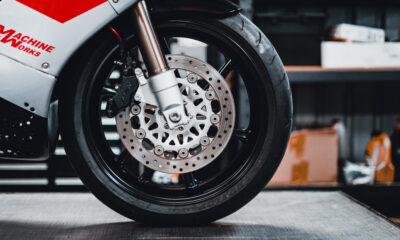
Inspect the chain for any excessive rust, and check the brake discs for signs of unusual corrosion. If possible, move the motorcycle slowly and listen for any grinding or rough noises from the wheels, as these could indicate worn or damaged bearings caused by previous water exposure.

6. Ask About the Motorcycle’s History
Before making a purchase, don’t hesitate to ask the seller about the motorcycle’s history. Find out whether it has ever been involved in a flood, undergone major repairs or has a complete service history. A genuine seller should be willing to answer these questions honestly.
If the seller avoids your questions or provides inconsistent answers, consider it a warning sign. A little extra caution now can help you to avoid unexpected repair costs and give you greater confidence in your purchase.
Why Flood Damage Can Be Expensive
Flood damage is not always immediately visible. Water can remain inside electrical connectors, bearings and other components long after the motorcycle has dried. Over time, corrosion can cause electrical failures, starting problems, sensor malfunctions and premature wear of critical parts.
In some cases, repair costs can quickly add up and exceed the amount you initially saved when buying the motorcycle. While these checks can help to identify potential warning signs, it’s not always easy to spot every issue, especially if the motorcycle has been professionally cleaned or repaired.
That’s why many buyers prefer motorcycles that have already undergone a professional inspection. A thorough inspection can help identify any hidden issues that may not be obvious during a quick viewing, giving buyers greater confidence before making a purchase.
Conclusion
Flood-damaged motorcycles may look perfectly normal on the outside, but hidden water damage can lead to expensive repairs and reliability issues in the future. By checking for rust, water marks, electrical problems, and signs of corrosion, you can reduce the risk of buying a motorcycle with hidden flood damage.
If you’re looking for greater confidence when buying a used motorcycle, iMotorbike Certified offers motorcycles that have undergone professional inspections to help ensure they meet high quality standards before being listed for sale. It’s a smarter way to shop for a used motorcycle with added peace of mind. Log on to the iMotorbike Certified website for more information and buy a used motorcycle with greater confidence today.











Facebook
Instagram
X (Twitter)
YouTube
LinkedIn
RSS