

A low-mileage motorcycle may seem like the perfect used bike, but mileage isn’t the only factor that matters. Here’s why a motorcycle with fewer kilometers isn’t always the better choice.
Subscribe to our Instagram channel for the latest info and news!
When shopping for a used motorcycle, the odometer is one of the first things most buyers usually look at. A bike with low mileage may seem more attractive because it’s commonly associated with less wear and tear. It’s easy to assume that fewer kilometers automatically mean a better motorcycle.
However, that’s not always the case. While mileage is an important factor, it should never be the only thing you consider. A motorcycle that has spent years sitting unused can develop problems that aren’t immediately visible, while a higher-mileage motorcycle that has been serviced regularly may actually be in much better condition.
Before deciding based on the numbers alone, it’s important to understand what low mileage really means and what you should check before buying a used motorcycle.
1. A Motorcycle That Sits Too Long Can Develop Problems
Motorcycles are built to be ridden regularly. While a motorcycle with only a few thousand kilometers on the odometer may look like a great deal, long periods of inactivity can sometimes create problems that aren’t immediately obvious. When a motorcycle sits unused for months or even years, engine oil will gradually lose its effectiveness, fuel inside the tank can deteriorate, and moisture may begin to build up in certain components.
Rubber seals and gaskets can dry out, which increases the risk of leaks once the motorcycle is ridden again. Batteries can also discharge permanently if they are not maintained, meaning they may need to be replaced even though the motorcycle has barely been used. Tyres are another component that can be affected. Even if the tread looks almost new, tyres that have spent years sitting in one position may develop flat spots, cracks or hardened rubber, reducing grip and overall safety.
This is why a low-mileage motorcycle should never be judged by the odometer alone. Understanding how the motorcycle has been stored and maintained is just as important as knowing how far it has travelled.
2. Service History Is More Important Than Mileage Alone
Mileage tells you how far a motorcycle has been ridden, but it doesn’t tell you how well it was taken care of. For example, two motorcycles of the same model, one has travelled 8,000 km but has never had regular servicing because it spent most of its life parked in a garage.
The other has travelled 35,000 km but has received scheduled maintenance every year, including engine oil changes, brake servicing, coolant replacement and chain maintenance. In many cases, the second motorcycle could actually be the better purchase because its components have been maintained according to the manufacturer’s recommendations.
A complete service history also shows that the previous owner took motorcycle maintenance seriously. Service invoices and maintenance records can help buyers understand what work has already been completed and whether any major maintenance may be required. Rather than focusing only on the mileage, always look at the motorcycle’s maintenance record as a whole.

3. Rubber Components Continue to Age
Many buyers believe that parts only wear out when a motorcycle is ridden, but that’s not entirely true. Rubber components naturally deteriorate over time due to age, heat and exposure to the environment. Even if the motorcycle has low miles, tyres, coolant hoses, fork seals, O-rings and engine seals may begin to harden or crack after several years.
A motorcycle that has spent long periods outdoors under direct sunlight may experience faster deterioration than one stored inside a garage. Replacing these components may not be too expensive individually, but they can significantly increase the total cost of ownership shortly after purchasing the motorcycle.
4. Low Mileage Doesn’t Always Mean the Engine Is Healthier
Many people assume that lower mileage automatically means less engine wear. While this can often be true, it isn’t guaranteed. Engines are designed to operate regularly. Running the engine allows oil to circulate through internal components, keeping them properly lubricated and helping to prevent corrosion.
When a motorcycle remains unused for a long time, moisture can build up inside the engine and fuel system. Old fuel may also leave deposits that affect injectors or carburettors, leading to rough idling, poor throttle response or starting problems.
On the other hand, a motorcycle that has been ridden consistently and serviced according to schedule is often in healthier mechanical condition, even if it has covered more kilometers.
5. Storage Conditions Matter More Than You Think
A motorcycle’s storage conditions can affect its overall condition just as much as its mileage. Two motorcycles with the same mileage can age very differently depending on how they have been stored.
A bike kept in a covered garage is generally better protected from rust, faded paint and weather-related damage. In contrast, a motorcycle that has spent years parked outdoors may develop corrosion, worn plastic parts and electrical issues, even if it has very low mileage. Malaysia’s hot and humid climate can accelerate this type of wear.
When viewing a used motorcycle, ask the owner where it has been stored. A well-maintained motorcycle kept indoors is often a better choice than one with lower mileage that has been exposed to the elements for years. Remember, mileage is only one part of the story, how the motorcycle has been stored is just as important.
6. Check the Overall Condition, Not Just the Odometer
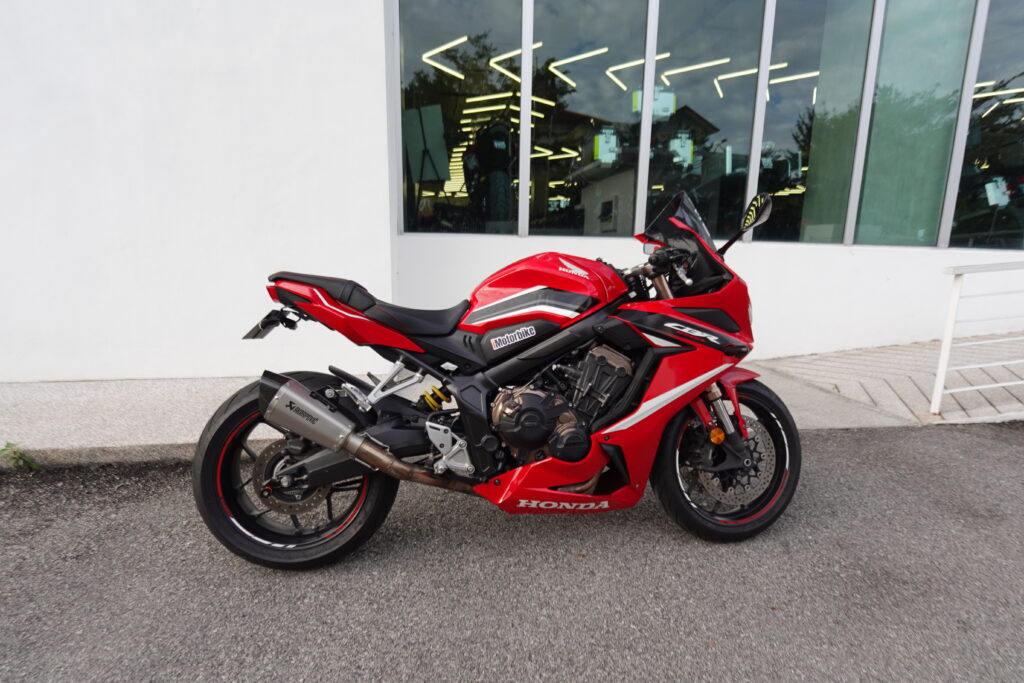
Mileage is important, but it shouldn’t be the only thing you look at when buying a used motorcycle. Take the time to inspect the tyres, chain and sprockets, brake discs, suspension and body panels for signs of excessive wear, corrosion or damage.
You should also check that the lights, horn and switches are working properly, and look for oil leaks, unusual exhaust smoke or other signs of poor maintenance. If possible, request for a cold start, as this can reveal issues that may not be noticeable once the engine has warmed up.
Most importantly, don’t judge a motorcycle by its appearance alone. A clean and polished bike can still have hidden mechanical problems. If you’re unsure, having the motorcycle inspected by an experienced mechanic can give you greater confidence before making your purchase.
Should You Avoid Low-Mileage Motorcycles?
Not at all. Many low-mileage motorcycles are excellent purchases, especially if they’ve been serviced regularly and stored properly. The key is to avoid assuming that low mileage automatically means the motorcycle is in perfect condition.
Instead, evaluate the motorcycle based on its overall condition, maintenance history and the results of a thorough inspection. A slightly higher-mileage motorcycle that has been well cared for can often be a more reliable choice than a neglected motorcycle with very few kilometers on the odometer.
Conclusion
A low-mileage motorcycle can be a great purchase, but mileage should never be the only factor that influences your decision. Service history, overall condition, storage environment and regular maintenance are equally important when assessing a used motorcycle.
If you’re looking for greater peace of mind when buying a used motorcycle, iMotorbike Certified offers professionally inspected motorcycles that have undergone thorough checks by experienced technicians. This helps you make a more informed purchase and reduces the risk of hidden mechanical issues after you ride away. Log on to the iMotorbike Certified website for more information.


















Facebook
Instagram
X (Twitter)
YouTube
LinkedIn
RSS