

How overlooked components like front forks, wheel bearings, and suspension systems can quietly affect handling, comfort, and long-term motorcycle safety.
Subscribe to our Instagram Channel for instant news & updates!
Many riders pay close attention to engine performance, oil changes, and tyres, but components related to handling and stability are often ignored until problems become obvious. Front forks, bearings, and suspension systems work constantly in the background to keep a motorcycle stable, comfortable, and predictable. Over time, wear in these areas can develop gradually, affecting braking, cornering, and overall rider confidence.
Understanding how these components wear and recognising early warning signs can help riders prevent expensive repairs and maintain safer riding conditions.
Why Forks, Bearings, and Suspension Matter
These components play a critical role in absorbing road imperfections, maintaining wheel alignment, and keeping the motorcycle balanced during acceleration, braking, and cornering. When wear occurs, handling becomes less precise, and the bike may feel unstable or uncomfortable, especially on uneven road surfaces or during sudden braking.
Poor suspension and worn bearings also place additional strain on tyres and other chassis components, accelerating overall wear across the motorcycle.
Front Fork Wear and Its Effects
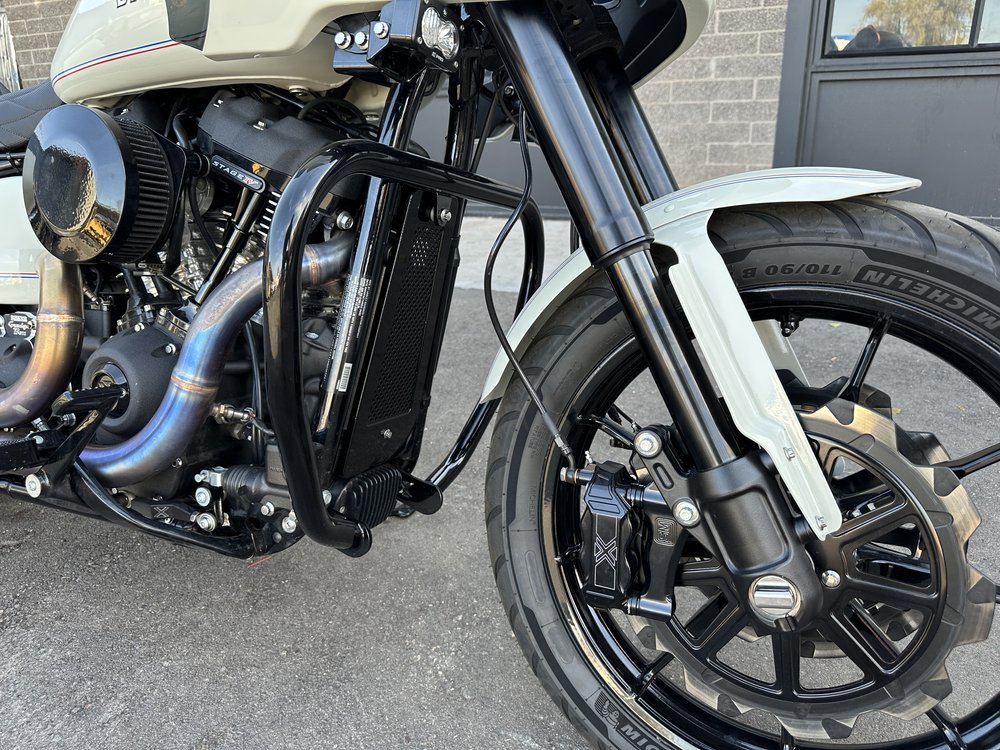
Front forks absorb most of the force generated during braking and when riding over bumps. As time passes, fork oil degrades, seals harden, and internal bushings wear out. This leads to reduced damping performance and less control at the front end.
Riders may notice excessive front-end dive during braking, reduced stability over uneven roads, or oil residue near the fork tubes. If left unaddressed, worn forks can negatively affect braking performance and increase stress on the steering system.
Bearing Wear: A Problem That Often Goes Unnoticed
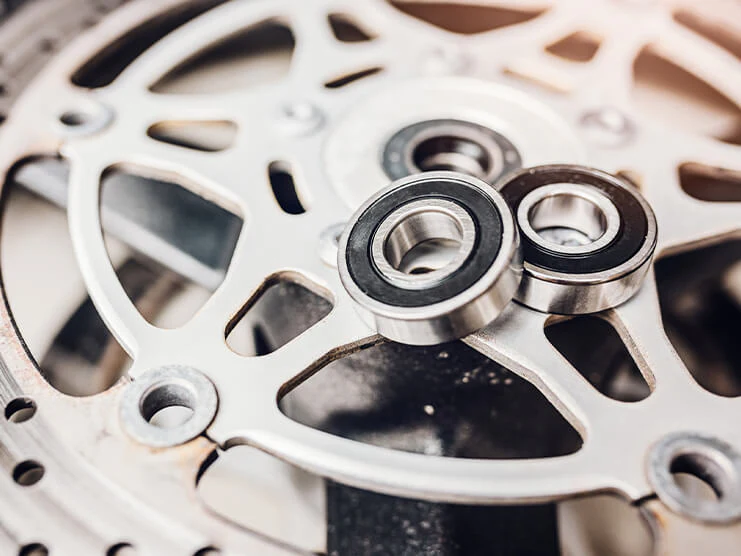
Bearings are located in critical areas such as the wheel hubs, steering head, and swingarm pivot. Unlike fork issues, bearing wear is not always visible, making it one of the most commonly overlooked problems on motorcycles.
As bearings wear, riders may experience vibrations, vague steering feedback, or difficulty maintaining a straight line at higher speeds. Ignoring worn bearings can lead to further damage to surrounding components and significantly reduce overall riding safety.

Suspension Wear and Riding Comfort
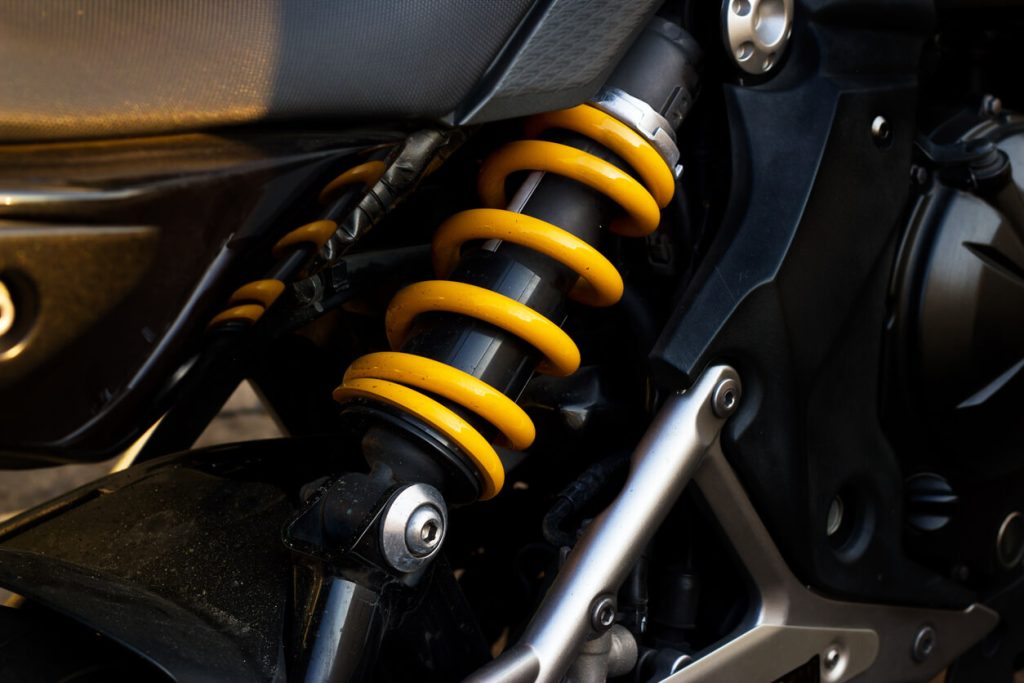
Rear suspension components, including shocks and linkage systems, are constantly under load, especially for riders who commute daily, ride with passengers, or carry luggage. Over time, internal damping components lose effectiveness, causing the suspension to feel harsh or overly bouncy.
When rear suspension performance declines, traction during acceleration and stability in corners are affected. This not only reduces comfort but also increases fatigue, particularly during long rides or poor road conditions.
How Riding Habits Influence Wear
Riding style has a direct impact on how quickly forks, bearings, and suspension components wear out. Aggressive braking, hard acceleration, frequent riding on rough roads, and carrying loads beyond the recommended limits all contribute to faster deterioration.
Urban commuting often causes repeated small impacts and heat buildup, while long-distance touring places continuous load on suspension systems. Both riding styles wear components differently, making regular inspections important regardless of usage.
Maintaining These Components for Long-Term Reliability
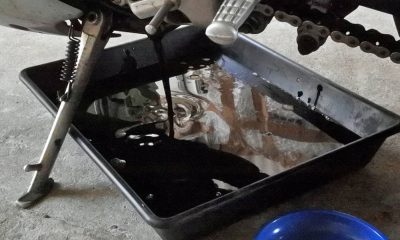
Regular servicing and early inspection are essential for preventing premature wear. Fork oil should be replaced according to manufacturer recommendations, even if no leaks are visible. Bearings should be checked during routine tyre changes, and suspension settings should be adjusted based on rider weight and riding conditions. Addressing small issues early helps maintain handling performance and prevents minor wear from turning into costly repairs.
Conclusion
Fork, bearing, and suspension wear often develop slowly, making them easy to ignore until handling and comfort noticeably decline. However, these components are fundamental to motorcycle safety and performance. By understanding how they wear and maintaining them properly, riders can ensure a smoother, more stable, and more enjoyable riding experience over the long term.
















Facebook
Instagram
X (Twitter)
YouTube
LinkedIn
RSS