

Understanding engine braking can help you ride more smoothly, reduce brake wear, and stay safer on the road.
Subscribe to our Instagram Channel for instant news & updates!
When riding a motorcycle, slowing down does not always mean pulling the brake lever. Your engine itself can help reduce the motorcycle’s speed in a controlled and natural way. This technique is known as engine braking, and it is commonly used by experienced riders in everyday situations.
Many beginner riders are unfamiliar with engine braking or are unsure how to use it correctly. In this guide, we explain what engine braking is, how it works, and how to apply it safely so you can ride with more confidence and better control.
What Is Engine Braking?
Engine braking refers to the natural slowing effect that happens when you close the throttle while still being in gear. When the throttle is rolled off, the engine stops producing power and begins to resist motion, which helps reduce the motorcycle’s speed.
This slowing effect happens without touching the brakes. While it may feel subtle at first, engine braking becomes more noticeable at higher engine speeds and in lower gears. It is not meant to stop the bike completely, but to slow it down smoothly and predictably.
How Engine Braking Works
When you close the throttle, the amount of fuel and air entering the engine is reduced. The engine then creates resistance as it continues to turn. Because the engine is connected to the rear wheel through the gearbox and chain, this resistance transfers to the wheel and slows the bike.
The strength of engine braking depends on the gear you are in. Lower gears create stronger resistance, while higher gears produce a gentler slowing effect. This is why riders tend to downshift when approaching corners, traffic lights, or slower traffic.
Benefits of Using Engine Braking
One of the main benefits of engine braking is smoother deceleration. Instead of suddenly applying the brakes, the bike slows down gradually, which feels more controlled and comfortable.
Engine braking also helps reduce wear on brake pads and discs, especially during daily riding in traffic. In addition, it improves stability when slowing down before corners and can help maintain better balance in wet or slippery conditions when used gently.

When Should You Use Engine Braking?
Engine braking is best used during normal riding situations. This includes approaching junctions, traffic lights, corners, or when riding downhill. In these cases, engine braking helps control speed without constantly relying on the brakes.
However, engine braking should not replace proper braking in emergencies. When you need to stop quickly, using both front and rear brakes correctly is always the safest option. Engine braking works best as a supporting technique to slow the motorcycle down and not stop it completely.
How to Use Engine Braking Properly
To use engine braking correctly, start by smoothly rolling off the throttle while staying in gear. As the motorcycle slows down, downshift one gear at a time to maintain engine responsiveness. Try to match engine speed with road speed to keep the transition smooth.
Avoid any sudden or aggressive downshifts, especially at high speeds. This can cause jerky movement or reduce rear wheel traction. Smooth throttle control and timing are essential to make engine braking effective and safe.
Common Mistakes Riders Make
A common mistake is relying too much on engine braking and delaying brake use. This can increase stopping distance and reduce safety in certain situations. Another mistake is downshifting too quickly without matching RPMs, which may cause rear wheel hopping or instability.
Some riders also use engine braking at very low speeds, where clutch control and brakes are more effective. Understanding when to use engine braking is just as important as knowing how to use it.
Engine Braking vs Using the Brakes
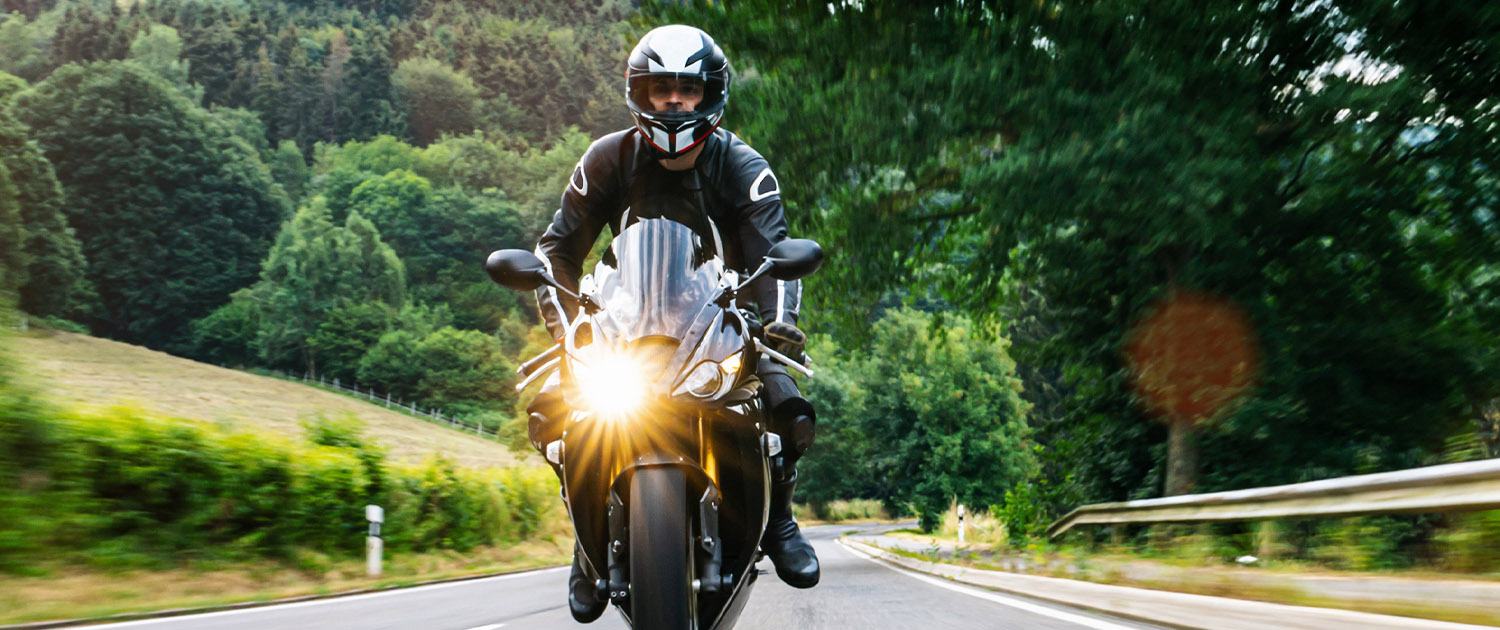
Engine braking provides gradual and continuous deceleration, while brakes deliver direct and immediate stopping power. Both have their roles and work best when used together.
By combining engine braking with gentle brake application, riders can slow down smoothly and maintain better control. On motorcycles equipped with ABS, this combination offers an added layer of safety during everyday riding.
Conclusion
Engine braking is an essential riding technique that improves control, comfort, and safety. When used properly, it helps riders slow down smoothly, reduces strain on braking components, and encourages better riding habits.
By practicing smooth throttle control and proper downshifting, engine braking can become a natural part of your daily riding routine and make every ride feel more controlled and confident.









Facebook
Instagram
X (Twitter)
YouTube
LinkedIn
RSS