

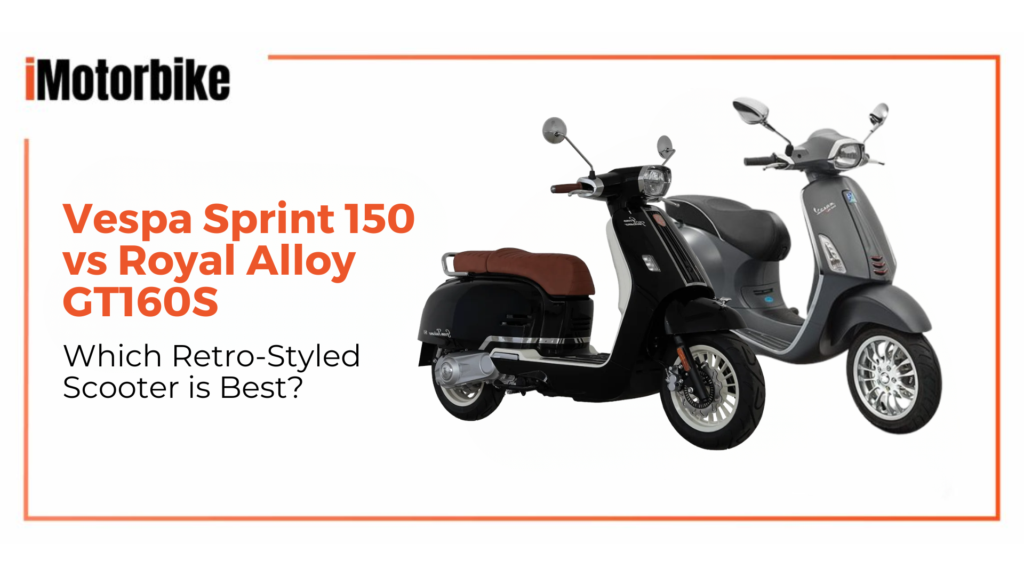
The Vespa Sprint 150 and Royal Alloy GT160S both capture the charm of classic scooters, but each offers a unique riding experience for today’s urban rider.
Subscribe to our Instagram channel for the latest info and news!
Retro scooters continue to attract riders who want a combination of timeless design, everyday practicality, and enjoyable riding performance. Among the most popular options in the premium scooter segment are the Vespa Sprint 150 and the Royal Alloy Gran Turismo 160S (GT160S).
While both scooters draw inspiration from classic European styling, they take different approaches. The Vespa Sprint 150 carries decades of Italian heritage with its iconic steel monocoque body, while the Royal Alloy GT160 combines vintage British-inspired styling with modern components and competitive pricing.
If you’re deciding between these two retro scooters, here’s a detailed comparison to help you determine which one best suits your riding style and lifestyle.
Engine and Performance
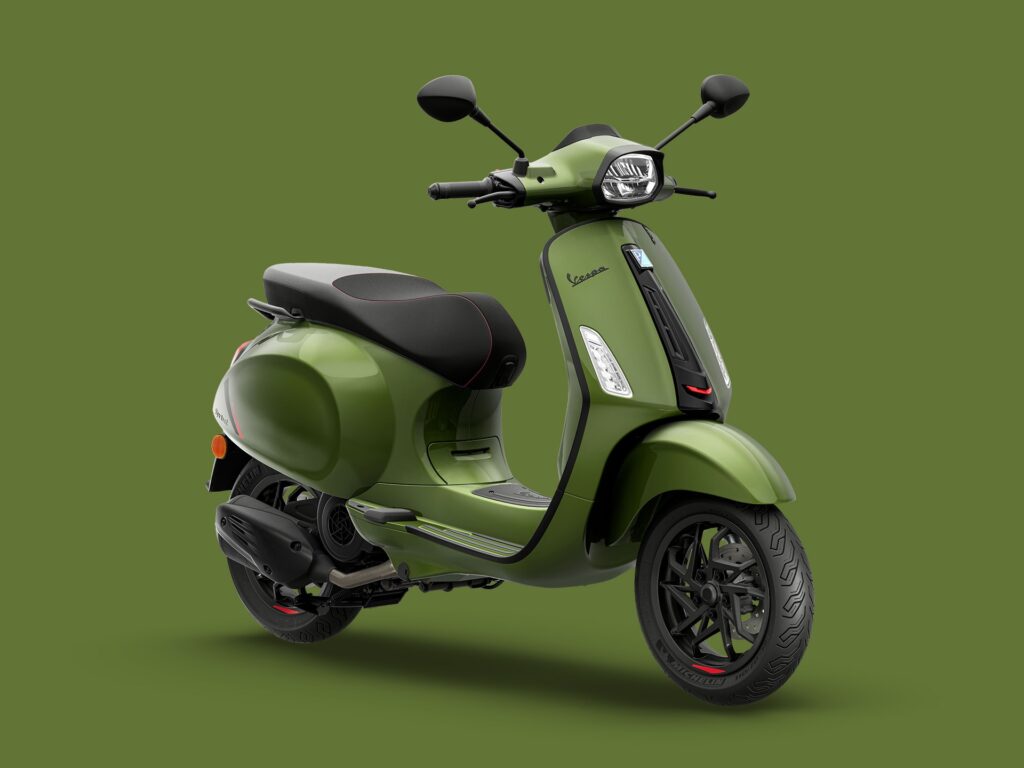
Vespa Sprint 150
The Sprint 150 is powered by a 155cc i-get single-cylinder, air-cooled engine that produces approximately 13 hp and 12.8 Nm of torque. The engine is known for its smooth throttle response, quiet operation, and excellent fuel efficiency, making it an ideal companion for daily commuting and weekend café rides.
Royal Alloy GT160S
The GT160S features a 158cc single-cylinder, liquid-cooled engine that delivers around 16.1 hp and 13.5 Nm of torque. The additional power and liquid-cooling system is able to help provide stronger acceleration and improved performance during longer rides or when carrying a passenger.
On city streets, both scooters feel agile and easy to maneuver. However, the GT160 offers slightly quicker acceleration and better performance at higher speeds, while the Vespa focuses on delivering a refined and effortless riding experience. If outright performance is your priority, the Royal Alloy has the advantage. If you value smoothness and proven reliability, the Vespa remains an excellent choice.
Features and Technology
Vespa Sprint 150
The Sprint 150 comes equipped with full LED lighting, a digital-LCD and analog display with smartphone connectivity readiness, front ABS, and keyless ignition for added convenience. Vespa’s build quality and premium finish are among its biggest selling points.
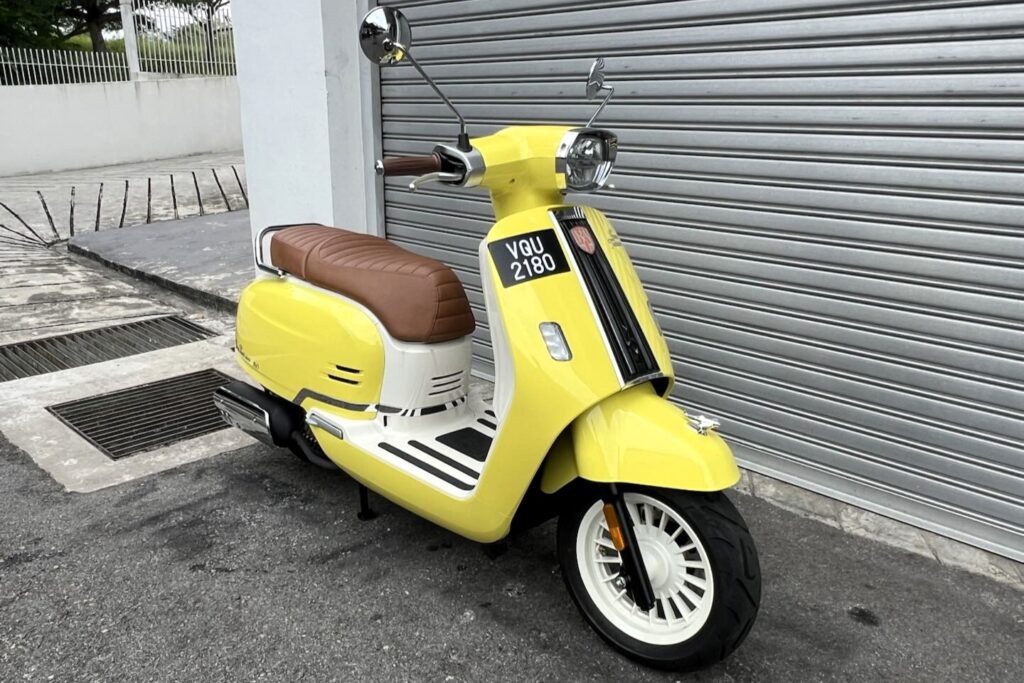
Royal Alloy GT160S
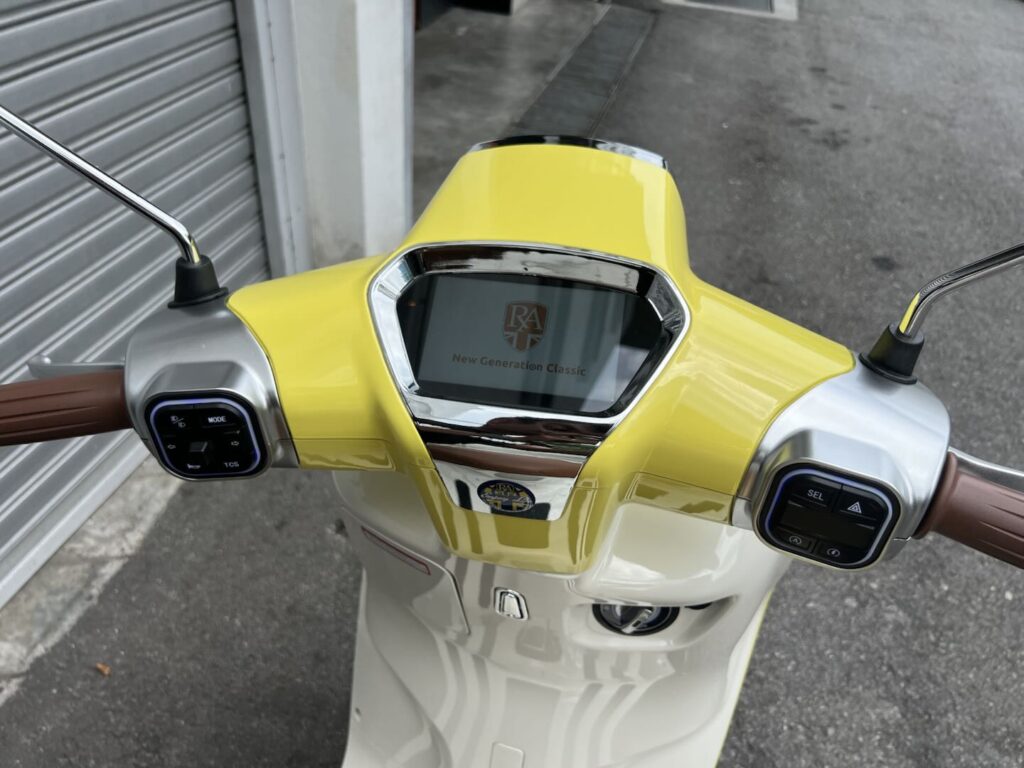
The GT160S also offers an impressive equipment list. Riders get full LED lighting as well as a Trapezoidal LED headlamp with DRL, a full-colour TFT screen panel, keyless ignition, front and rear disc brakes with dual-channel ABS, a front-facing DVR dash camera and generous under-seat storage. Its modern technology complements its retro styling without compromising everyday practicality.
While both scooters are well-equipped, the Royal Alloy provides more standard technology for the price, whereas the Vespa justifies its premium positioning through refinement, craftsmanship, and brand heritage.
Ergonomics and Comfort
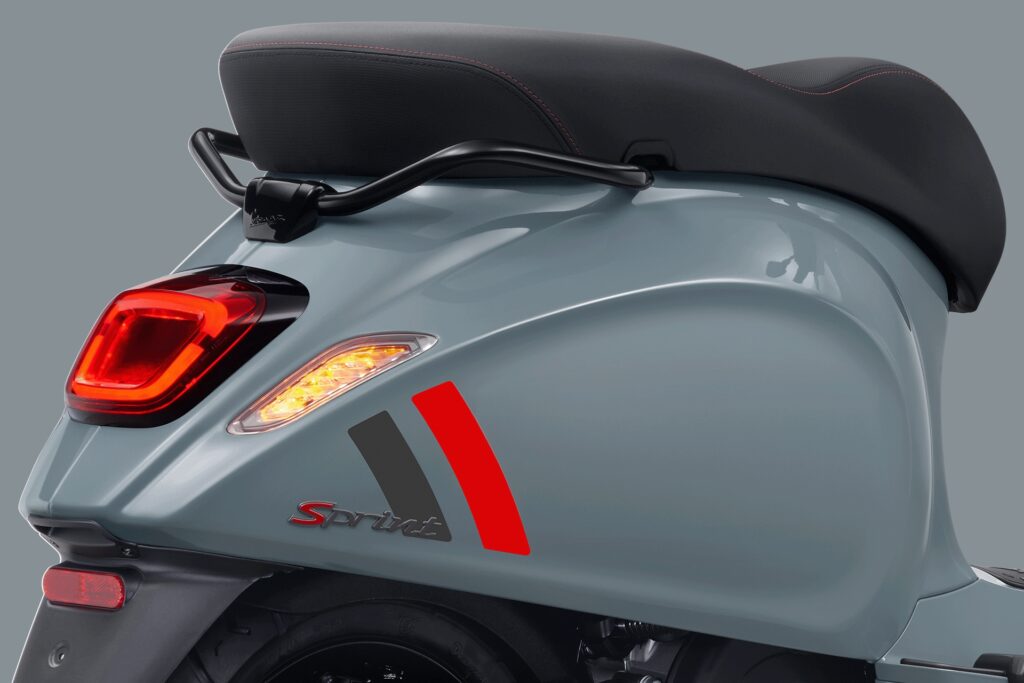
Vespa Sprint 150
The Sprint 150 features a seat height of approximately 790 mm and an upright riding position that feels natural for riders of various heights. The scooter’s compact dimensions and weight of around 122 kg make filtering through traffic effortless, while its suspension offers a comfortable ride over uneven city roads.
Royal Alloy GT160S
The GT160S has a similar riding position but with it’s weight of 152 kg makes the scooter feels slightly larger overall. Its wider seat provides extra comfort for both rider and passenger, while the suspension setup feels composed during longer journeys. The larger bodywork also offers slightly better wind protection than the Vespa.
For urban commuting, both scooters are easy to ride and confidence-inspiring. The Vespa excels in maneuverability, while the Royal Alloy provides a little more comfort for extended rides.
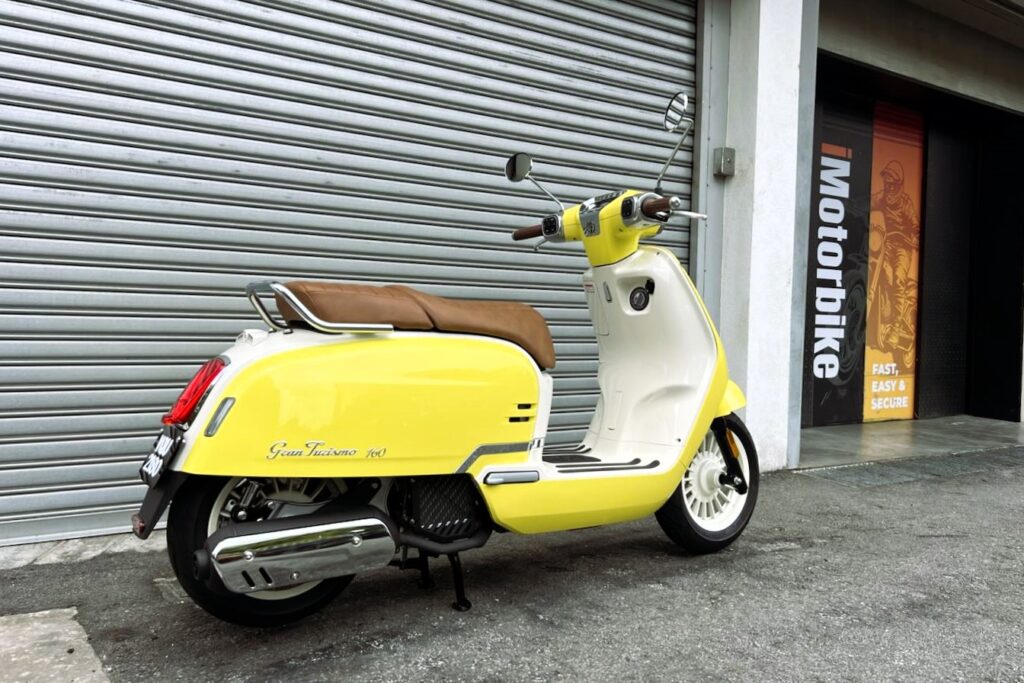
Specifications Comparison Table
| Specification | Vespa Sprint 150 | Royal Alloy GT160S |
|---|---|---|
| Engine | 155cc Air-Cooled i-Get Single-Cylinder, 4-stroke | 158 cc Single-cylinder, 4-valve, water-cooled |
| Maximum Power | 13 hp | 16.1 hp |
| Maximum Torque | 12.8 Nm | 13.5 Nm |
| Transmission | CVT | CVT |
| Front Suspension | Single-sided link arm with a hydraulic monoshock | Dual hydraulic front forks |
| Rear Suspension | Hydraulic shock absorber with 4-position preload adjustment | Adjustable dual rear shock absorbers |
| Front Brake | Single disc with ABS | 220 mm hydraulic disc with ABS |
| Rear Brake | Drum Brake | 220 mm hydraulic disc with ABS |
| Seat Height | 790 mm | 750 mm |
| Weight | 122 kg | 152 kg |
| Fuel Tank Capacity | 7 L | 9 L |
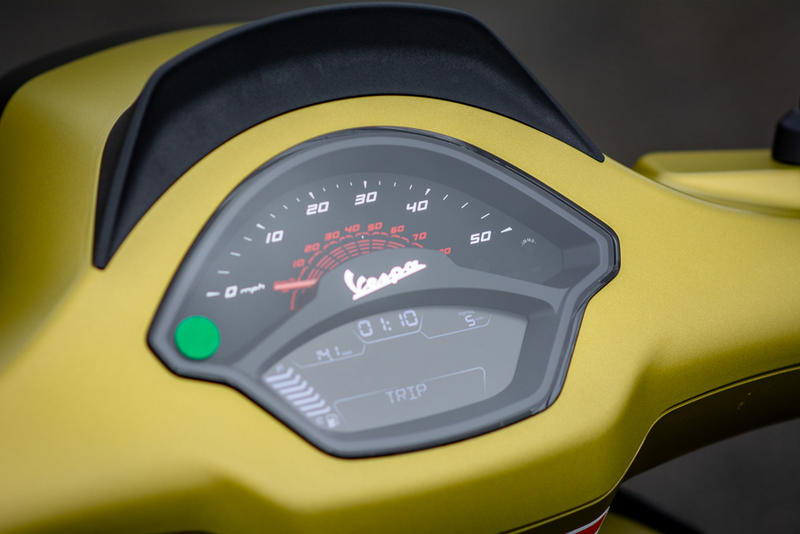
Who Is Each Scooter For?
The Vespa Sprint 150 is perfect for riders who appreciate timeless Italian design, premium craftsmanship, and strong resale value. It suits commuters, lifestyle riders, and anyone looking for a scooter that is as fashionable as it is practical. For many owners, buying a Vespa is just as much about the heritage and ownership experience as it is about getting from one destination to another.
The Royal Alloy GT160S is ideal for riders who want classic styling with more modern performance and equipment. Its stronger engine, liquid cooling, larger fuel tank, and generous list of standard features make it a compelling option for those seeking excellent value without sacrificing retro charm.
Final Verdict
Choosing between the Vespa Sprint 150 and the Royal Alloy GT160S comes down to what matters most to you.
If you’re looking for an iconic scooter with premium build quality, legendary styling, and a heritage that spans decades, the Vespa Sprint 150 remains one of the most desirable retro scooters on the market.
However, if you want more power, better standard equipment, and outstanding value for money while still enjoying classic styling, the Royal Alloy GT160S deserves serious consideration.
Whichever scooter you choose, both offer a stylish and enjoyable way to tackle everyday commuting while being able to stand out from the crowd.













Facebook
Instagram
X (Twitter)
YouTube
LinkedIn
RSS