

The Reason To Why Different Motorcycles Use Various Types of Drive Systems.
Subscribe to our Instagram Channel for instant news & updates!
When people talk about motorcycle performance, they often focus on engine size, horsepower, or riding position. However, one important component that is frequently overlooked is the final drive system. This system transfers power from the engine to the rear wheel and plays a major role in how a motorcycle feels, sounds, and performs on the road.
Motorcycles generally use one of three final drive systems: chain drive, belt drive, or shaft drive. Each system has its own characteristics, advantages, and trade-offs. Understanding how each of these systems work can help riders choose a motorcycle that suits their riding style and daily needs.
What Is a Motorcycle Final Drive System?
A final drive system is responsible for delivering engine power to the rear wheel. While all motorcycles perform this same basic function, the way power is transferred differs depending on the design. These differences affect maintenance requirements, riding comfort, durability, and even fuel efficiency.
Manufacturers choose a specific drive system based on the motorcycle’s purpose, whether it is designed for daily commuting, long-distance touring, or even performance riding.
Chain Drive: Lightweight and Performance-Focused
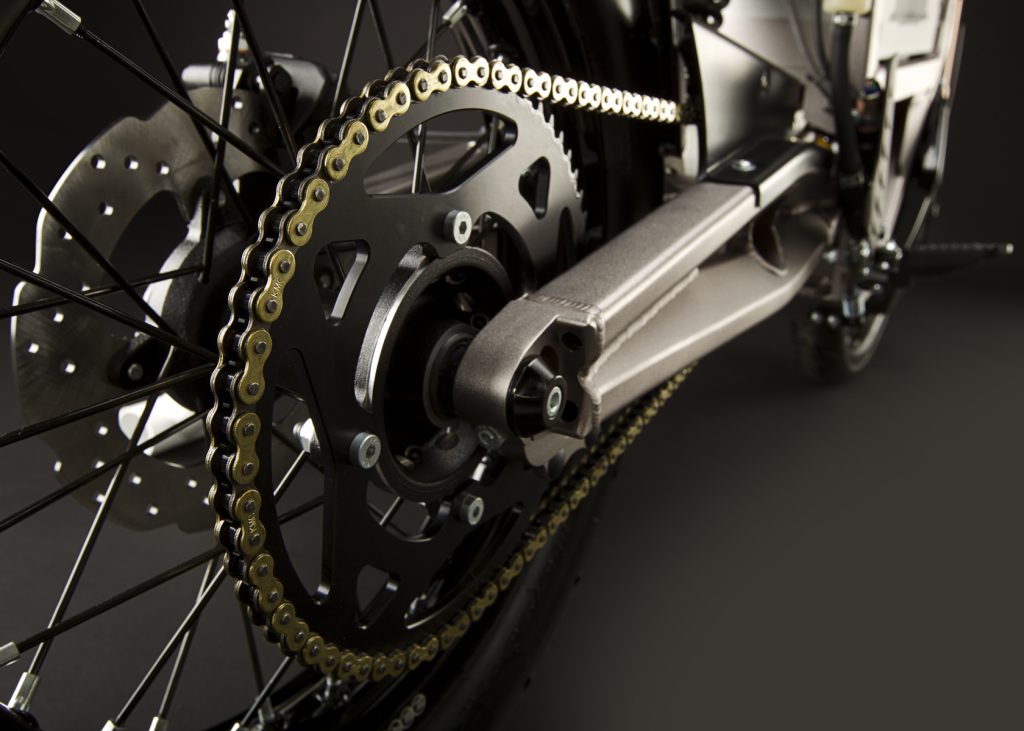
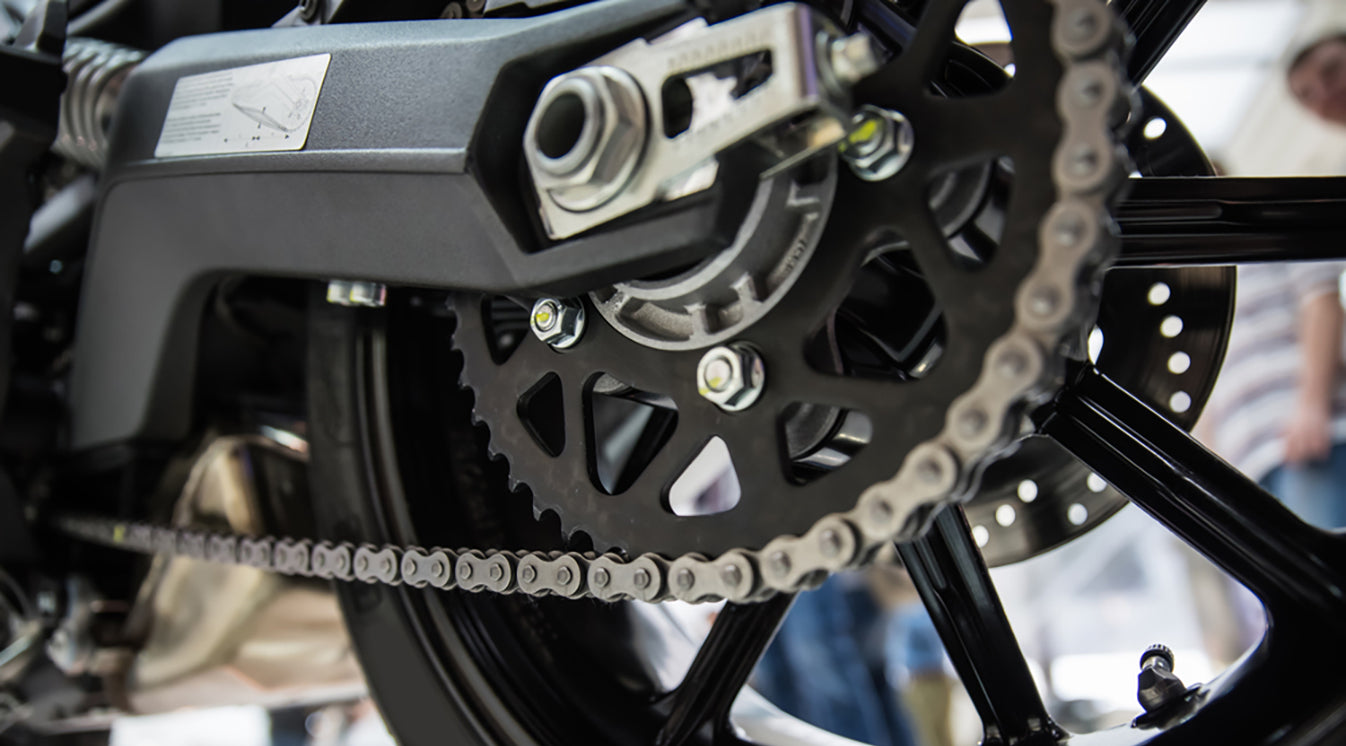
Chain drive systems are the most commonly used setup on motorcycles, especially sport bikes, naked bikes, and smaller displacement models. This system uses a metal chain and sprockets to transfer power directly to the rear wheel.
One of the biggest advantages of a chain drive is its efficiency and responsiveness. Power delivery feels direct, making the motorcycle more engaging to ride, particularly during acceleration. Chain drive systems are also relatively lightweight and cost-effective, which is why they are popular across many motorcycle categories.
However, chain drives require regular maintenance. Riders need to clean, lubricate, and adjust the chain to ensure smooth operation and prevent any premature wear. Without proper care, chains can become noisy and less efficient over time.

Belt Drive: Smooth, Quiet, and Low Maintenance
Belt drive systems use a reinforced rubber belt instead of a metal chain. This type of final drive is commonly found on cruisers and some modern middleweight motorcycles designed for comfort and everyday riding.
One of the key benefits of a belt drive is its smooth and quiet operation. Compared to chains, belts produce less noise and vibration, which improves overall riding comfort. Belt drives also require significantly less maintenance, as they do not need regular lubrication.
Despite these advantages, belt drives are not typically used on high-performance motorcycles. They are less suitable for extreme torque loads and aggressive riding conditions. Repairs can also be more expensive if the belt is damaged, although belt systems generally last a long time when properly used.
Shaft Drive: Durable and Built for Long Distances
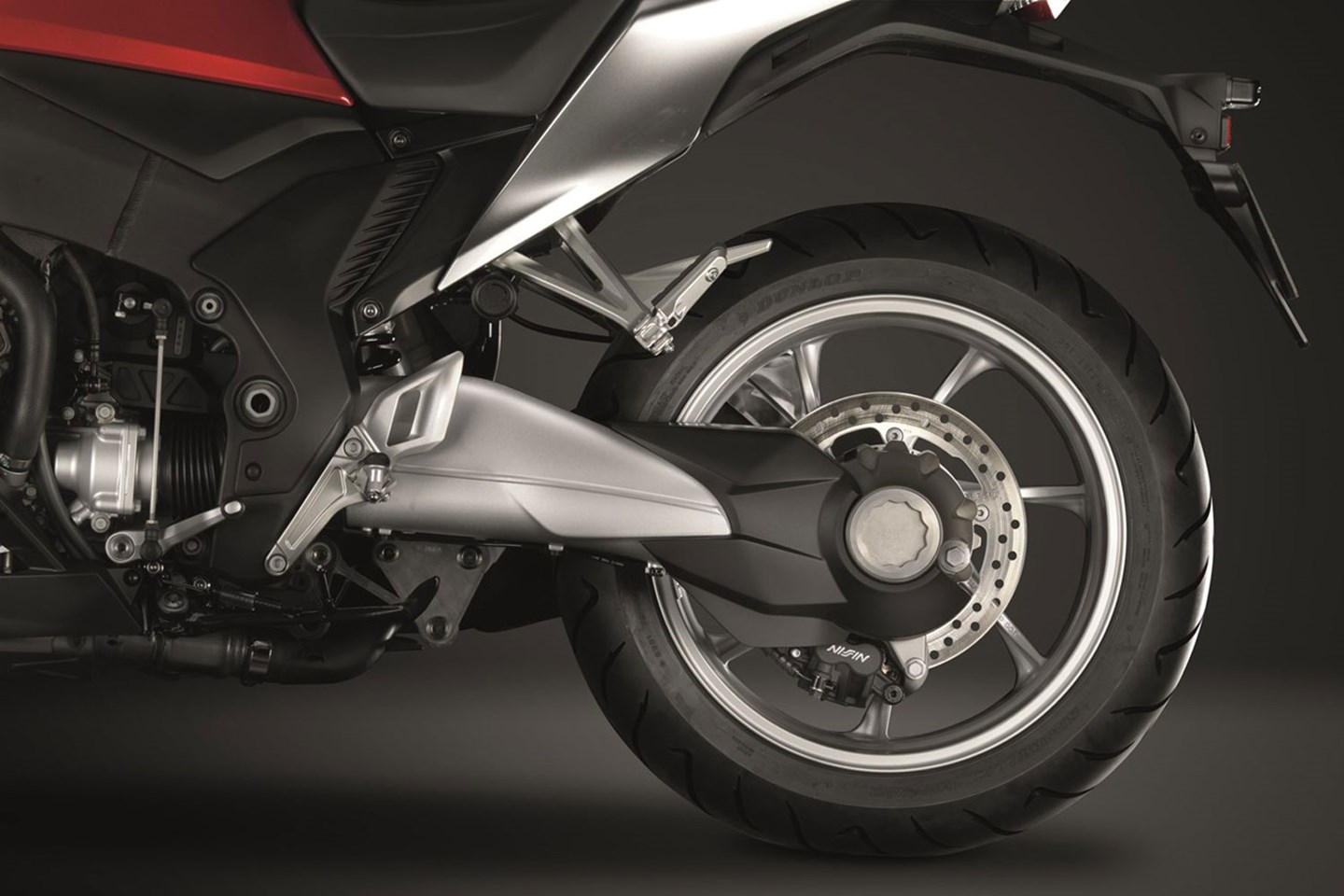
Shaft drive systems are commonly found on large touring motorcycles and adventure bikes. Instead of a chain or belt, this system uses a driveshaft enclosed within the motorcycle’s swingarm to transfer power to the rear wheel.
The biggest advantage of a shaft drive is durability and minimal maintenance. Because the system is sealed, it is well protected from dirt, water, and weather conditions. This makes it ideal for long-distance riding and riders who prefer a low-maintenance ownership experience.
However, shaft drive systems are heavier and more complex than chain or belt drives. This added weight can slightly affect handling and performance. Shaft drives also tend to increase the overall cost of the motorcycle.
Which Final Drive System Is Right for You?
Choosing the right final drive system depends on how you plan to use your motorcycle. Riders who enjoy sporty performance and don’t mind regular maintenance often prefer chain drive systems. Those who prioritise comfort, quiet operation, and convenience may find belt drives more appealing. Meanwhile, long-distance riders and tourers often appreciate the durability and reliability of shaft drives.
There is no single system that is better than the others. Each final drive is designed to serve a different type of rider and riding environment.
Conclusion
Chain, belt, and shaft drive systems all play an important role in shaping how a motorcycle feels on the road. While they may seem like small technical details, they have a significant impact on performance, maintenance, and riding comfort. By understanding these differences, riders can make more informed decisions and choose a motorcycle that truly matches their lifestyle and riding needs.
















Facebook
Instagram
X (Twitter)
YouTube
LinkedIn
RSS