• Bikes for Sale
  • News
  • Buyer’s guide
    • Buy a Motorcycle
    • First Rides & Reviews
    • Specs, Prices & Others
  • Lifestyle
    • Concepts & Custom
    • Electric Motorcycles
    • Events
    • Motorsport
    • Tips & Stories
    • Travel
  • Locals
imotorbike logo
  • Bikes for Sale
  • News
  • Buyer’s guide
    • Buy a Motorcycle
    • First Rides & Reviews
    • Specs, Prices & Others
  • Lifestyle
    • Concepts & Custom
    • Electric Motorcycles
    • Events
    • Motorsport
    • Tips & Stories
    • Travel
  • Locals
  • Facebook

  • Instagram

  • X (Twitter)

  • YouTube

  • LinkedIn

  • RSS

Industry

Engine Braking Explained: A Complete Guide for Riders

Engine Braking Explained: A Complete Guide for Riders
Amzar Hazeeq
December 17, 2025

Understanding engine braking can help you ride more smoothly, reduce brake wear, and stay safer on the road.
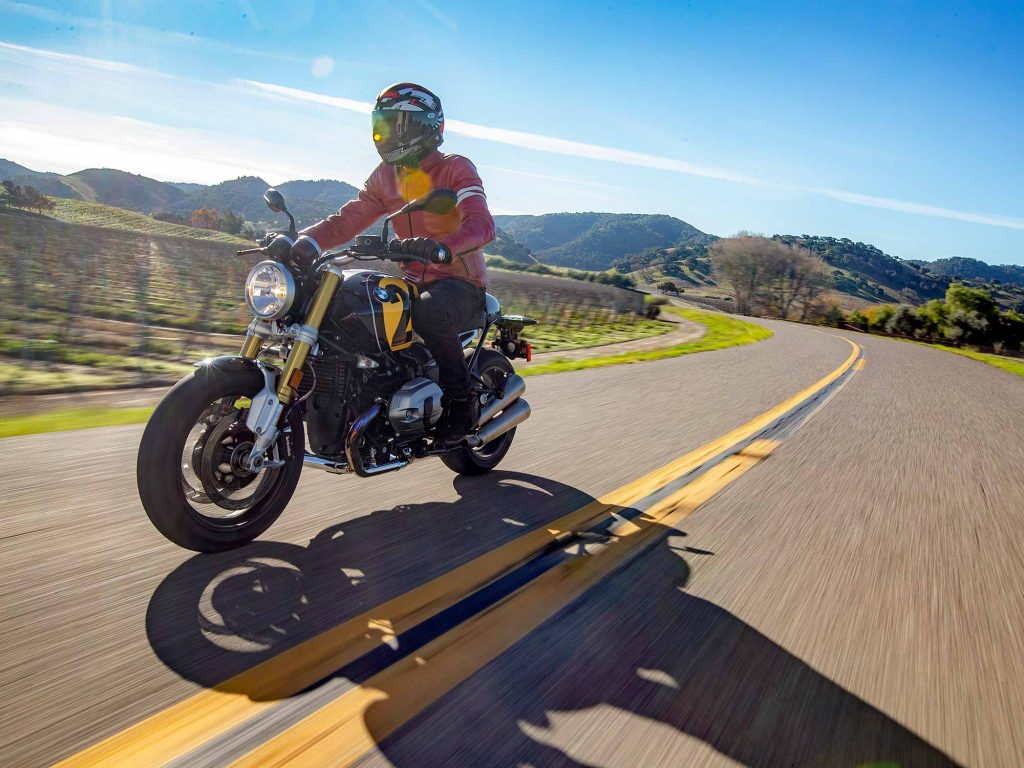
what is engine braking

Subscribe to our Instagram Channel for instant news & updates!

When riding a motorcycle, slowing down does not always mean pulling the brake lever. Your engine itself can help reduce the motorcycle’s speed in a controlled and natural way. This technique is known as engine braking, and it is commonly used by experienced riders in everyday situations.

Many beginner riders are unfamiliar with engine braking or are unsure how to use it correctly. In this guide, we explain what engine braking is, how it works, and how to apply it safely so you can ride with more confidence and better control.

What Is Engine Braking?

Engine braking refers to the natural slowing effect that happens when you close the throttle while still being in gear. When the throttle is rolled off, the engine stops producing power and begins to resist motion, which helps reduce the motorcycle’s speed.

This slowing effect happens without touching the brakes. While it may feel subtle at first, engine braking becomes more noticeable at higher engine speeds and in lower gears. It is not meant to stop the bike completely, but to slow it down smoothly and predictably.

How Engine Braking Works

When you close the throttle, the amount of fuel and air entering the engine is reduced. The engine then creates resistance as it continues to turn. Because the engine is connected to the rear wheel through the gearbox and chain, this resistance transfers to the wheel and slows the bike.

The strength of engine braking depends on the gear you are in. Lower gears create stronger resistance, while higher gears produce a gentler slowing effect. This is why riders tend to downshift when approaching corners, traffic lights, or slower traffic.

Benefits of Using Engine Braking

One of the main benefits of engine braking is smoother deceleration. Instead of suddenly applying the brakes, the bike slows down gradually, which feels more controlled and comfortable.

Engine braking also helps reduce wear on brake pads and discs, especially during daily riding in traffic. In addition, it improves stability when slowing down before corners and can help maintain better balance in wet or slippery conditions when used gently.

what is engine braking

When Should You Use Engine Braking?

Engine braking is best used during normal riding situations. This includes approaching junctions, traffic lights, corners, or when riding downhill. In these cases, engine braking helps control speed without constantly relying on the brakes.

However, engine braking should not replace proper braking in emergencies. When you need to stop quickly, using both front and rear brakes correctly is always the safest option. Engine braking works best as a supporting technique to slow the motorcycle down and not stop it completely.

How to Use Engine Braking Properly

To use engine braking correctly, start by smoothly rolling off the throttle while staying in gear. As the motorcycle slows down, downshift one gear at a time to maintain engine responsiveness. Try to match engine speed with road speed to keep the transition smooth.

Avoid any sudden or aggressive downshifts, especially at high speeds. This can cause jerky movement or reduce rear wheel traction. Smooth throttle control and timing are essential to make engine braking effective and safe.

Common Mistakes Riders Make

A common mistake is relying too much on engine braking and delaying brake use. This can increase stopping distance and reduce safety in certain situations. Another mistake is downshifting too quickly without matching RPMs, which may cause rear wheel hopping or instability.

Some riders also use engine braking at very low speeds, where clutch control and brakes are more effective. Understanding when to use engine braking is just as important as knowing how to use it.
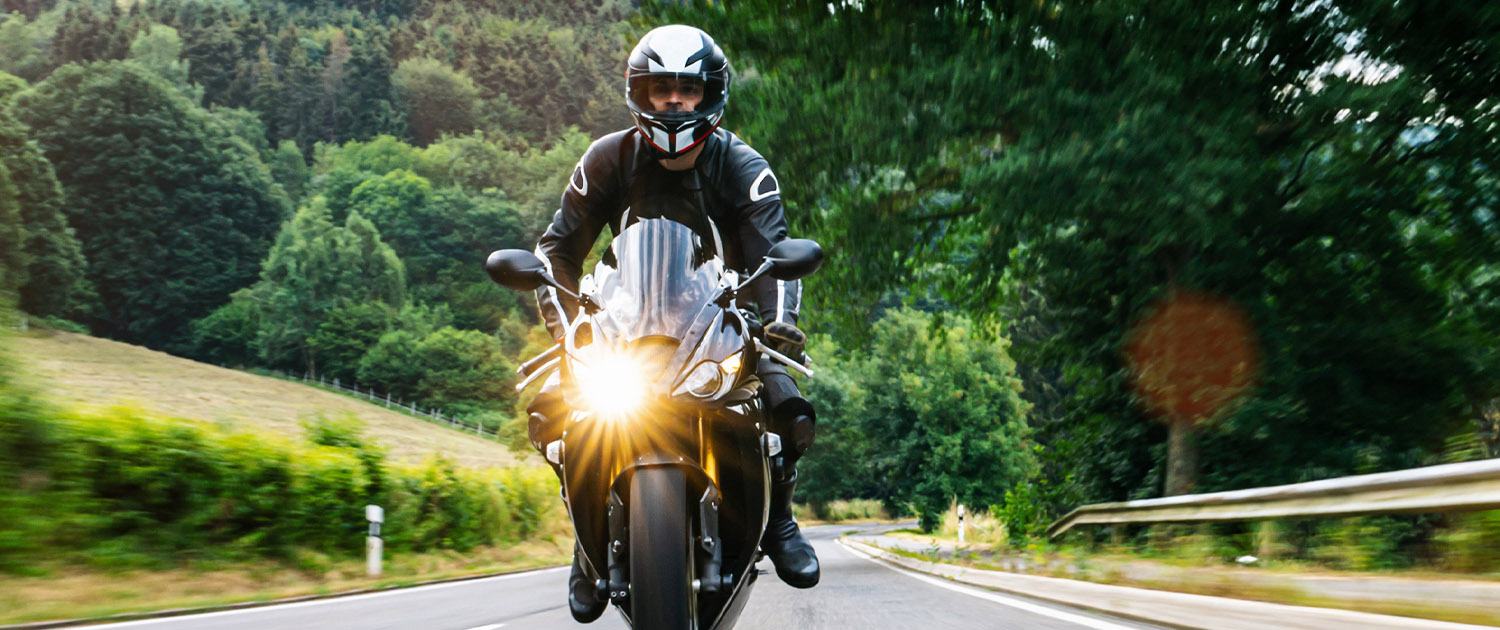
what is engine braking

Engine Braking vs Using the Brakes

Engine braking provides gradual and continuous deceleration, while brakes deliver direct and immediate stopping power. Both have their roles and work best when used together.

By combining engine braking with gentle brake application, riders can slow down smoothly and maintain better control. On motorcycles equipped with ABS, this combination offers an added layer of safety during everyday riding.

Conclusion

Engine braking is an essential riding technique that improves control, comfort, and safety. When used properly, it helps riders slow down smoothly, reduces strain on braking components, and encourages better riding habits.

By practicing smooth throttle control and proper downshifting, engine braking can become a natural part of your daily riding routine and make every ride feel more controlled and confident.


Related Items2025engineengine brakingfeaturedKedai MotormotorcyclenewnewsSEO
To read the full story
login with google
login with facebook
or
Create an account for free
This won't cost you.
by clicking this button you agree to iMotorbike's visitor agreement
Already have an account? Sign in here
Click here to get notified on every new article
Industry
December 17, 2025
Amzar Hazeeq

Cars and motorcycles have always been more than just machines; for some people, it's their source of happiness.

Related Items2025engineengine brakingfeaturedKedai MotormotorcyclenewnewsSEO

More in Industry

How to Protect Your New Motorbike and Boost Performance

Amzar HazeeqDecember 17, 2025
Read More

Chain, Belt, or Shaft Drive? Understanding Motorcycle Final Drive Systems

Amzar HazeeqDecember 17, 2025
Read More

ABS vs Non-ABS Motorcycles: What’s the Difference and Which One Should You Choose?

Amzar HazeeqDecember 17, 2025
Read More

How to Check JPJ Summons in Malaysia Without the Hassle

Amzar HazeeqDecember 15, 2025
Read More

Ride Safely in Heavy Traffic: Motorcycle Techniques

Amzar HazeeqDecember 15, 2025
Read More

CFMoto Sets Sights on WorldSBK With the Powerful V4 SR-RR

Amzar HazeeqDecember 12, 2025
Read More

Mastering Trail Braking: The Cornering Technique Every Rider Should Know

Amzar HazeeqDecember 12, 2025
Read More

Why Your Motorcycle Loses Power: Troubleshooting Guide

Amzar HazeeqDecember 12, 2025
Read More

Boon Siew Honda Partners with EMS Motorsports for Enhanced Accessory Options with the ADV160 + EMS Lebih Bergaya Campaign

Amzar HazeeqDecember 12, 2025
Read More

Modenas Launches 2026 Kawasaki Ninja 1100SX in Malaysia

Hazique ZairillDecember 12, 2025
Read More

Ellaspede’s Ferrari-Inspired Honda CBX750: A Bold Reimagining of an 80s Icon

Amzar HazeeqDecember 12, 2025
Read More

Clutch Control Mastery: The Key to Smooth Starts, Shifts, and Confident Riding

Amzar HazeeqDecember 10, 2025
Read More
We want to buy your bike Join us on Instagram
Scroll for more
Tap

Join us on Facebook

  • Popular

  • Latest

  • Comments

  • Bajaj Auto Takes Full Control of KTM
    IndustryNovember 24, 2025
  • 2025 SYM ADXTG 400 Review: Adventure Meets Scooter Practicality
    Buyer's guideNovember 20, 2025
  • MotoGP to Bring Back KL Street Circuit Experience for 2026 Season Launch
    LifestyleNovember 27, 2025
  • Morbidelli Launches Affordable T250X Adventure Bike For The Malaysian Market
    Buyer's guideNovember 27, 2025
  • Is It Time for an Oil Change? A Guide for Every Motorcycle Rider
    Buyer's guideNovember 24, 2025
  • BBM Unveils Hiro Platform and Electric Streetfighter
    NewsNovember 21, 2025
  • Shell App Now Integrates Budi95
    Buyer's guideNovember 26, 2025
  • How to Protect Your New Motorbike and Boost Performance
    Buyer's guideDecember 17, 2025
  • Engine Braking Explained: A Complete Guide for Riders
    IndustryDecember 17, 2025
  • Chain, Belt, or Shaft Drive? Understanding Motorcycle Final Drive Systems
    First Rides & ReviewsDecember 17, 2025
  • ABS vs Non-ABS Motorcycles: What’s the Difference and Which One Should You Choose?
    IndustryDecember 17, 2025
  • The Only Ferrari Motorcycle Ever Made
    NewsDecember 16, 2025
  • Riding to the Edge: Inside the Great Malle Arctic Rally
    NewsDecember 16, 2025
  • Kawasaki Ninja 1100SX Launches in Malaysia
    NewsDecember 16, 2025
  • MV Agusta Lucky Explorer Project 9.5: testing the Schiranna prototype - news.iNthacity: More Top Breaking News and Popular Stories To Stay Informed says:

    […] Michelle Liew […]

  • CFMOTO 450SR to enter Malaysia in March 2023 at RM29,300 - news.iNthacity: More Top Breaking News and Popular Stories To Stay Informed says:

    […] Michelle Liew […]

  • Suzuki V-Strom now available in Malaysia at RM81,900 - news.iNthacity: More Top Breaking News and Popular Stories To Stay Informed says:

    […] Michelle Liew […]

  • Colin says:

    I hope they make the Dax street legal. Love to…

  • Mohd Razi bin Rosli says:

    Adv 150cc

  • Nena Maxberry says:

    Just curious what they would retail for

  • Adam Kenny says:

    RM4159 for the front fork is it?

Corporate

About Us
Terms of Use
Privacy Policy
Disclosure Policy
Contact Us
SUBSCRIBE NOW!

2024 iMotorbike World Sdn. Bhd.(1205246-M). All rights reserved.

Chain, Belt, or Shaft Drive? Understanding Motorcycle Final Drive Systems
How to Protect Your New Motorbike and Boost Performance
Nak Jual Beli Motor 😊 ?
WhatsApp
Hi iMotorbike 😊
Open chat