

How suspension setup and frame geometry shape handling, stability, cornering speed, and rider confidence in MotoGP racing.
Subscribe to our Instagram Channel for instant news & updates!
In MotoGP, speed is not only about horsepower. How a bike handles through corners often matters more. Suspension and frame geometry play a huge role in how a MotoGP bike behaves on track. They affect braking stability, corner entry, mid-corner grip, and acceleration on exit.
Even small setup changes can transform how a bike feels. This is why MotoGP teams spend so much time adjusting suspension and geometry during every race weekend.
Why Suspension Is Critical in MotoGP
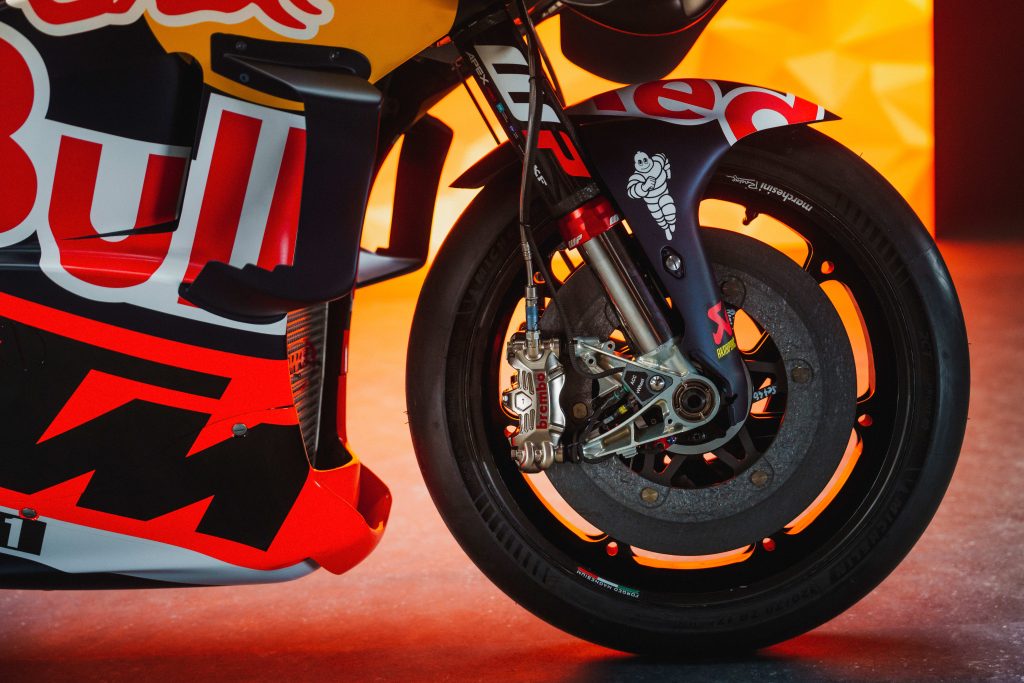
Suspension keeps the tires in contact with the track. Without proper suspension, grip disappears quickly. MotoGP bikes face extreme forces during braking, acceleration, and cornering. The suspension must control these forces while keeping the bike stable.
Front suspension affects braking feel and corner entry. Rear suspension controls traction and acceleration. If either end is not working correctly, lap times suffer and rider confidence drops.

How Frame Geometry Affects Handling
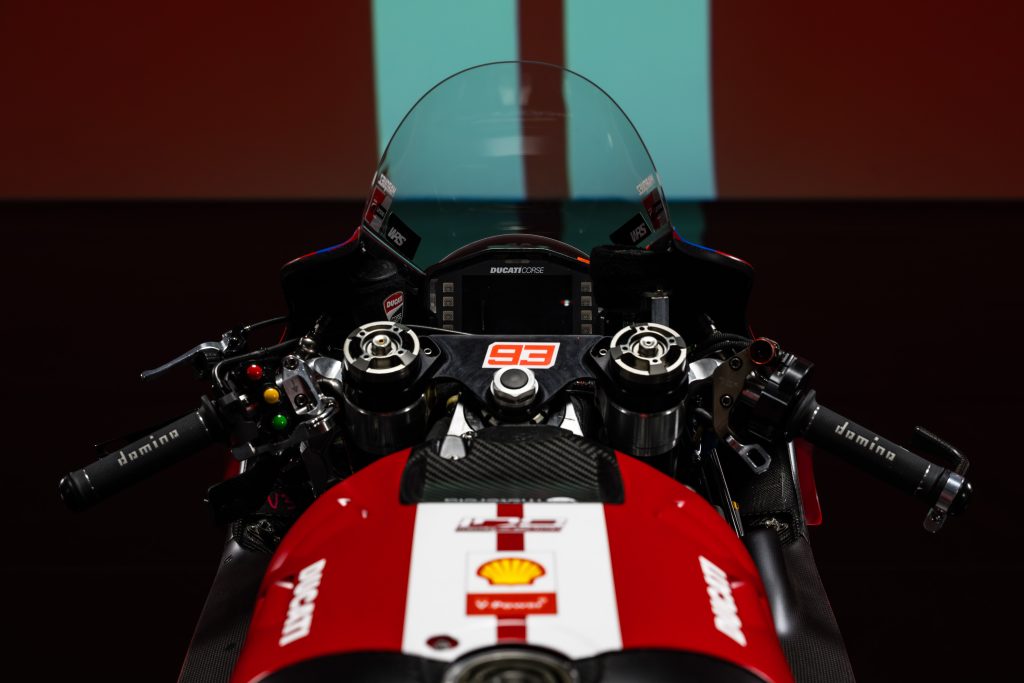
Frame geometry defines how a bike turns and stays stable. It includes factors like steering angle, wheelbase, and ride height. These elements decide how quickly a bike changes direction and how stable it feels at high speed.
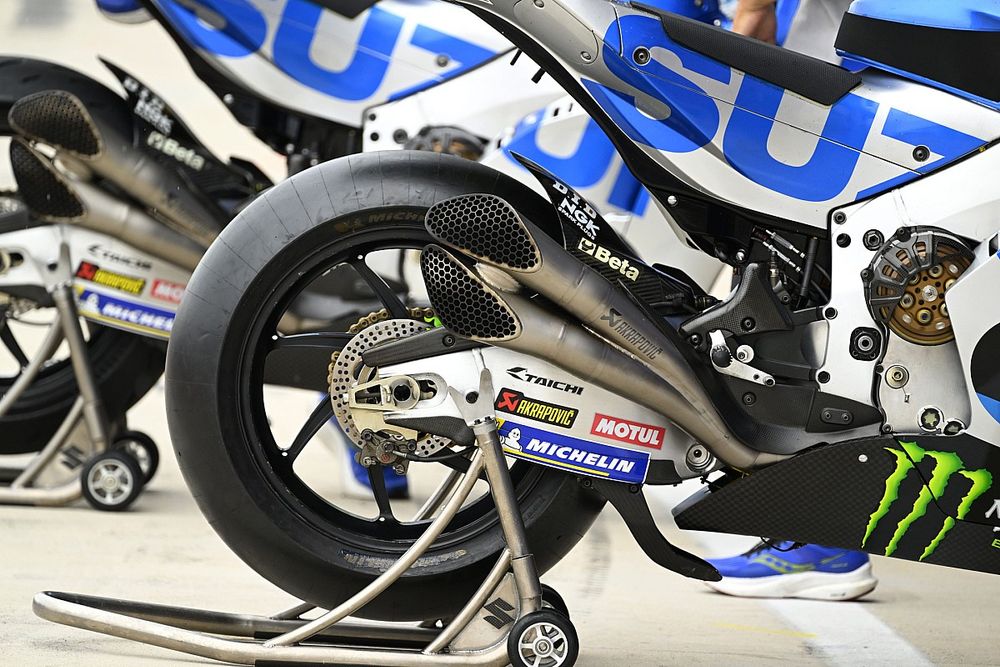
A shorter wheelbase can make a bike turn faster. However, it may feel unstable on straights. A longer wheelbase improves stability but can slow corner entry. Teams constantly balance these traits to suit each circuit.
Corner Entry, Mid-Corner, and Exit Balance
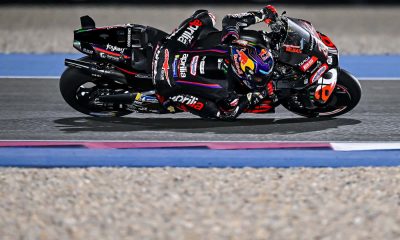
MotoGP riders push hard during every phase of a corner. On corner entry, the bike must remain stable under heavy braking. Mid-corner, it needs grip and feedback. On exit, it must deliver power without spinning the rear tire.
Suspension and geometry work together to achieve this balance. If the setup is wrong, the bike may run wide, lose grip, or feel unpredictable. Riders rely heavily on feel to judge whether changes are working.
Track Conditions and Setup Changes
No two circuits are the same. Some tracks are smooth and fast. Others are bumpy or tight. Suspension settings must match the surface and layout of each track.
Teams adjust stiffness, damping, and ride height throughout the weekend. Even weather and track temperature can affect these decisions. The goal is always the same: maximum grip with consistent feedback.
Rider Style and Personal Preference
Each rider has a unique riding style. Some brake aggressively. Others focus on corner speed. Suspension and geometry must match how a rider rides the bike.
A setup that works for one rider may not work for another. This is why teammates often use very different settings on similar bikes. Comfort and confidence are just as important as raw performance.
Why Setup Decides Race Results
In MotoGP, small margins decide outcomes. A bike that turns better or brakes more confidently can gain tenths of a second every lap. Over a full race, that adds up.
Suspension and frame geometry do not create headlines like top speed. However, they often decide who wins and who struggles. Consistent handling allows riders to push harder and make fewer mistakes.
Conclusion
Suspension and frame geometry are key factors in MotoGP performance. They shape how a bike handles, how confident a rider feels, and how fast consistent lap times can be. By carefully tuning these elements, teams turn powerful engines into race-winning machines. In MotoGP, great handling is just as important as raw speed.











Facebook
Instagram
X (Twitter)
YouTube
LinkedIn
RSS