

How riding a motorcycle shifts perspective, sharpens awareness, and transforms the way riders see the world

Subscribe to our Instagram Channel for instant news & updates!
Riding a motorcycle is more than just a mode of transport, it is an experience that engages the mind in ways few other activities do. Unlike driving a car, motorcycles demand attention, focus, and active decision-making. This heightened awareness often spills over into daily life, subtly changing the way riders perceive the world around them.
When a person rides regularly, they start noticing details that might have gone unnoticed before. The texture of the road, the movement of traffic, and even the patterns of pedestrians become important. This awareness sharpens mental strength, improving reaction time and overall situational awareness not just on the bike, but in everyday life as well.
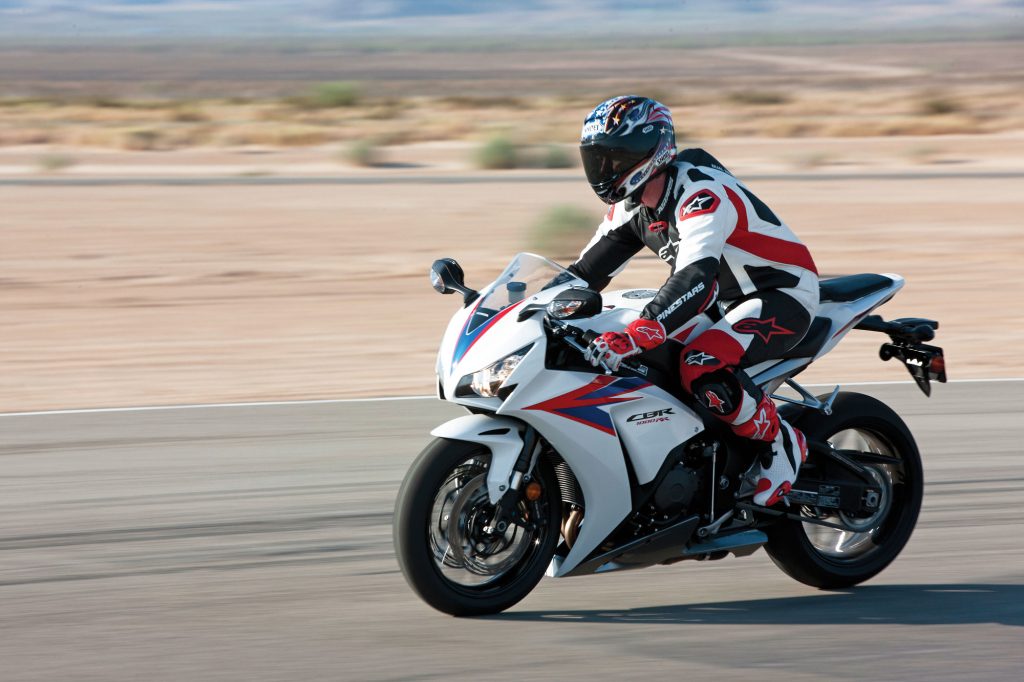
The Mental Shift That Comes With Riding
Motorcycles force riders to be present in every moment. Unlike driving, where autopilot can handle long stretches, motorcycling requires constant input and focus. Riders learn to anticipate hazards, read situations, and make split-second decisions. Over time, this develops a form of mental discipline that extends beyond riding.
This mental shift often influences how riders approach challenges off the bike. Tasks that once seemed overwhelming can feel more manageable because the mind has been trained to assess risk calmly and methodically. Riding fosters patience, awareness, and even creativity, as the rider continuously adapts to ever-changing road conditions.
Seeing the World Differently
Riding changes the way the world is perceived. On a motorcycle, even a familiar route feels new. Small details like a curve in the road, the behavior of other drivers, or changes in the environment will gain significance. Riders become more observant, noticing subtle shifts that many people overlook.
This heightened perception can influence behavior outside of riding as well. Riders often report being more attentive in daily activities, more mindful of surroundings, and even more present during conversations or work tasks. The lessons learned on two wheels translate into sharper awareness and a calmer, more deliberate approach to life.

The Emotional Effect of Riding
Beyond the mental clarity, motorcycles also affect emotional thinking. Riding can provide a sense of freedom, release stress, and foster a positive mindset. The act of controlling a powerful machine while being exposed to the environment naturally boosts confidence and encourages a mindset focused on adaptability rather than rigidity.
For many riders, the motorcycle becomes a tool for reflection. Long rides offer time to process thoughts, consider decisions, and gain perspective. This emotional and cognitive reset can have lasting effects, improving focus, decision-making, and mental resilience.
Conclusion
Motorcycles are more than machines, they are instruments that shape the way people think. Regular riding enhances awareness, sharpens perception, and fosters a mindset of attentiveness and adaptability. The mental and emotional lessons gained from riding do not stay on the road, they influence daily life, decision-making, and the way riders interact with the world.
Ultimately, riding a motorcycle changes not just how people move, but how they see, process, and respond to life itself. It is a subtle transformation, one that continues long after the ride is over.
















Facebook
Instagram
X (Twitter)
YouTube
LinkedIn
RSS