

Peugeot brings back its legendary 103 as a modern electric lightweight for 2026, offering two removable-battery options, urban-focused performance, and updated tech inspired by the SPx concept.
Subscribe to our Instagram Channel for instant news & updates!
Peugeot is preparing to bring one of its most recognisable two-wheelers back into the spotlight, confirming that the iconic 103 will return in 2025, this time reimagined as a compact, all-electric city machine. The revival marks a bold step for the brand as it blends retro charm with contemporary urban mobility tech.
A Classic Reborn for a New Generation
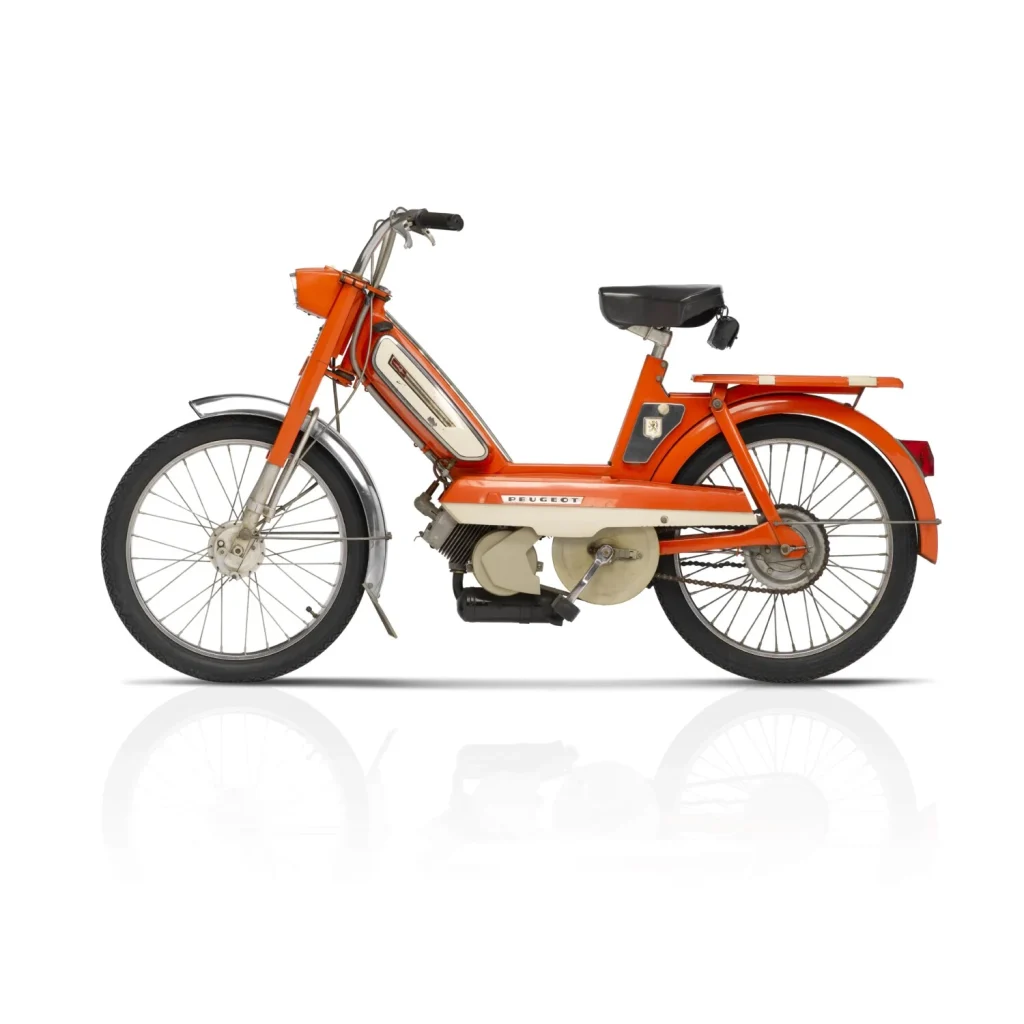
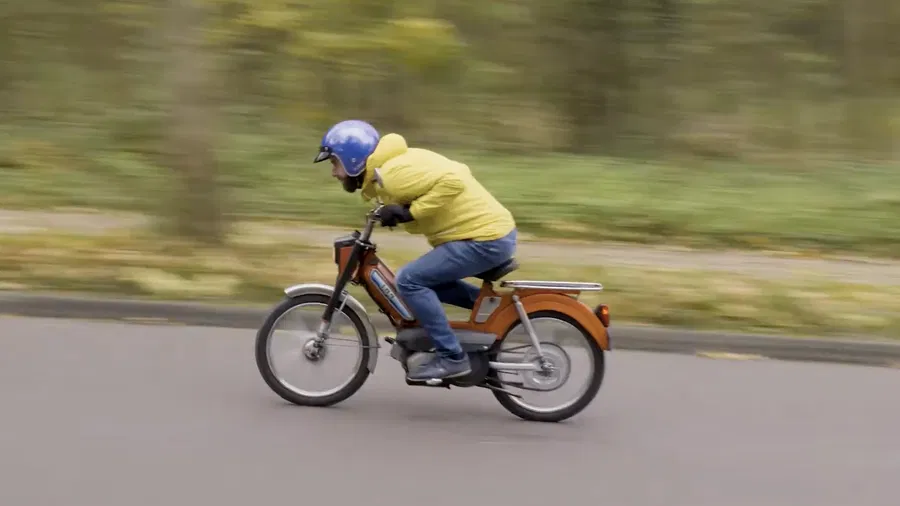
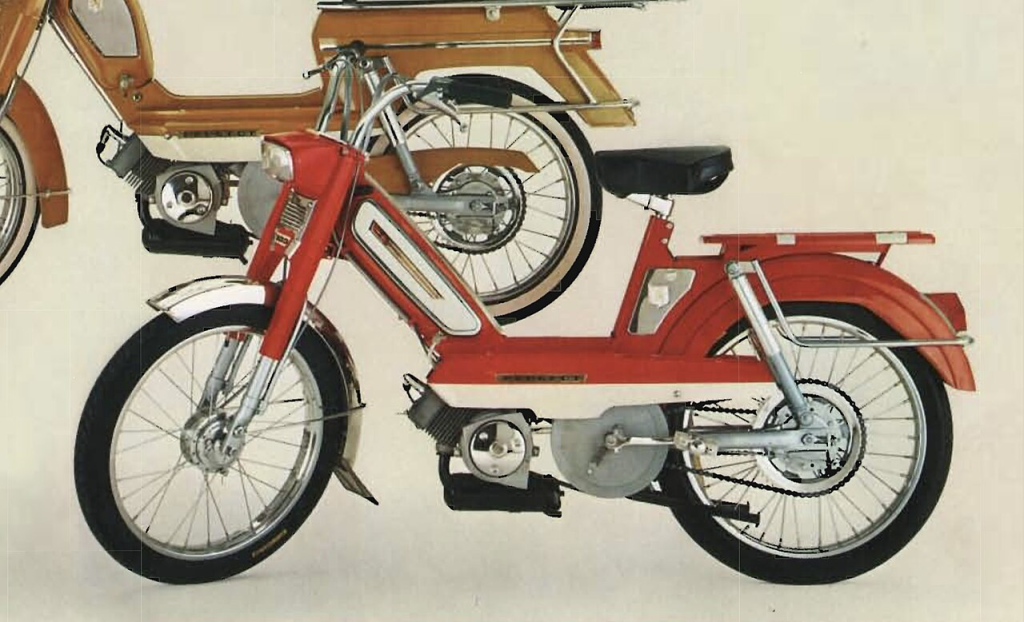
For many Europeans, the Peugeot 103 represents an era when simple, affordable mopeds provided the first taste of freedom. Originally launched in the 1970s, the model became a cultural touchstone, instantly recognisable, endlessly modifiable, and fondly remembered for its lightweight design and pedal-assisted start.
The 2026 electric version doesn’t try to recreate the past. Instead, it takes inspiration from Peugeot’s recent SPx concept platform while bringing the 103 name into a new age of emission-free transport.
Two Electric Variants Built for City Living
Peugeot is planning to offer the new 103 in two battery configurations, each tailored for short-to-medium daily commutes:
- Standard model (50cc-equivalent) with a 1.6 kWh battery, targeting roughly 30 miles of riding per charge.
- Higher-output model (125cc-equivalent) with a 2.2 kWh battery, expected to reach around 40 miles of range.
Top speeds haven’t been announced, but early projections place the smaller version around 30 mph, with the larger model potentially reaching 45–50 mph, firmly positioning both as urban mobility machines rather than highway travellers.
Lightweight Engineering with Modern Touches
While the design pays tribute to the original, the engineering is thoroughly modern. Key features include:
- Aluminium monocoque frame for low weight and rigidity
- Kayaba suspension, with telescopic forks and a linkage-equipped rear monoshock
- Removable batteries, allowing riders to charge them indoors
- A full TFT display, a major upgrade from the analogue simplicity of the 1970s model
This combination equips the new 103 for the realities of dense European cities, stop-and-go traffic, small parking spaces, and limited charging infrastructure.
Affordable Mobility Remains the Goal
Peugeot has yet to reveal pricing, but early signals suggest the electric 103 will aim to remain true to the spirit of its predecessor: simple, accessible, and built to mobilise as many riders as possible. Production in France is designed to keep costs controlled while maintaining quality.
Given the cult status of the original 103, collectors and nostalgic riders are already watching closely. But Peugeot appears to be targeting a broader demographic: commuters, students, and anyone looking for a clean, compact personal mobility option.
More Details Coming in 2026
With full specifications still under wraps, Peugeot is expected to reveal performance figures, pricing, and availability early next year. If the brand succeeds in recapturing the practicality and charm of the original, while delivering the convenience of modern electric commuting, the new 103 could become one of Europe’s standout lightweight EV launches.









Facebook
Instagram
X (Twitter)
YouTube
LinkedIn
RSS