

A comprehensive comparison of performance, features, ergonomics, and rider suitability in the 250cc vs 400cc Ninja sportbike category.
Subscribe to our Instagram Channel for instant news & updates!
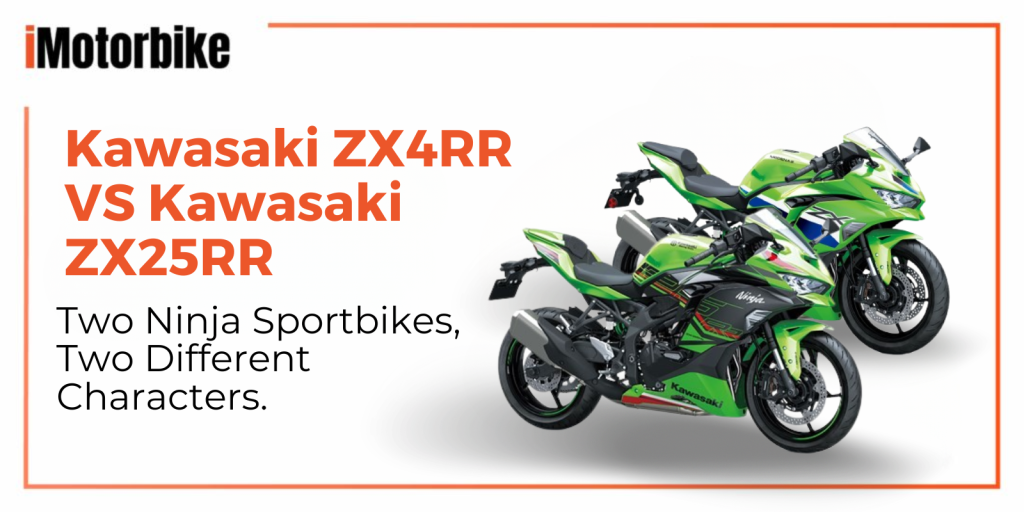
The Ninja sportbike family from Kawasaki has grown significantly over recent years, giving riders more exciting options across different engine sizes. Two standout machines that are worthy to be compared are the Kawasaki Ninja ZX-25RR and the Kawasaki Ninja ZX-4RR. While both are styled like full-blown sportbikes and showcase Kawasaki’s performance pedigree, they offer different experiences based on engine character, riding dynamics, and usability.
The ZX-25RR thrills with a high-revving four-cylinder engine that’s unique in the 250cc category, while the ZX-4RR delivers punchy midrange power and broader everyday usability thanks to its larger displacement. Below, we break down how these two Ninja models differ and who each bike might best suit.

Engine and Performance
Kawasaki Ninja ZX-25RR
The ZX-25RR is powered by a 249cc inline-four, liquid-cooled engine that’s engineered to rev high and produce an exhilarating sound. This engine makes approximately 45 Hp at 15,500 rpm and 22 Nm of torque at 12,500 rpm, giving it a very distinctive character for a 250cc machine. Its high redline and smooth delivery make it engaging on technical roads or in twisty environments where revs matter.
Kawasaki Ninja ZX-4RR
By contrast, the ZX-4RR uses a 399cc inline-four, liquid-cooled engine producing about 76 hp at 14,500 rpm and 39 Nm of torque at 13,000 rpm. Because of its larger displacement, the ZX-4RR delivers more usable power throughout the rev range and stronger acceleration in everyday conditions. It still revs high and feels sporty, but it’s less demanding and more flexible than the high-RPM 250.
While the ZX-25RR rewards riders who love red-line-hungry power and crisp throttle response, the ZX-4RR provides a broader spread of torque that’s easier to use in real world riding, especially on highways or open roads.
Features and Technology
Kawasaki Ninja ZX-25RR
The ZX-25RR often includes advanced electronics, such as multiple riding modes, traction control, quick shifter, and a TFT display with modern connectivity. Its electronics are designed to help riders exploit the high RPM nature of the engine while retaining confidence and control.
Kawasaki Ninja ZX-4RR
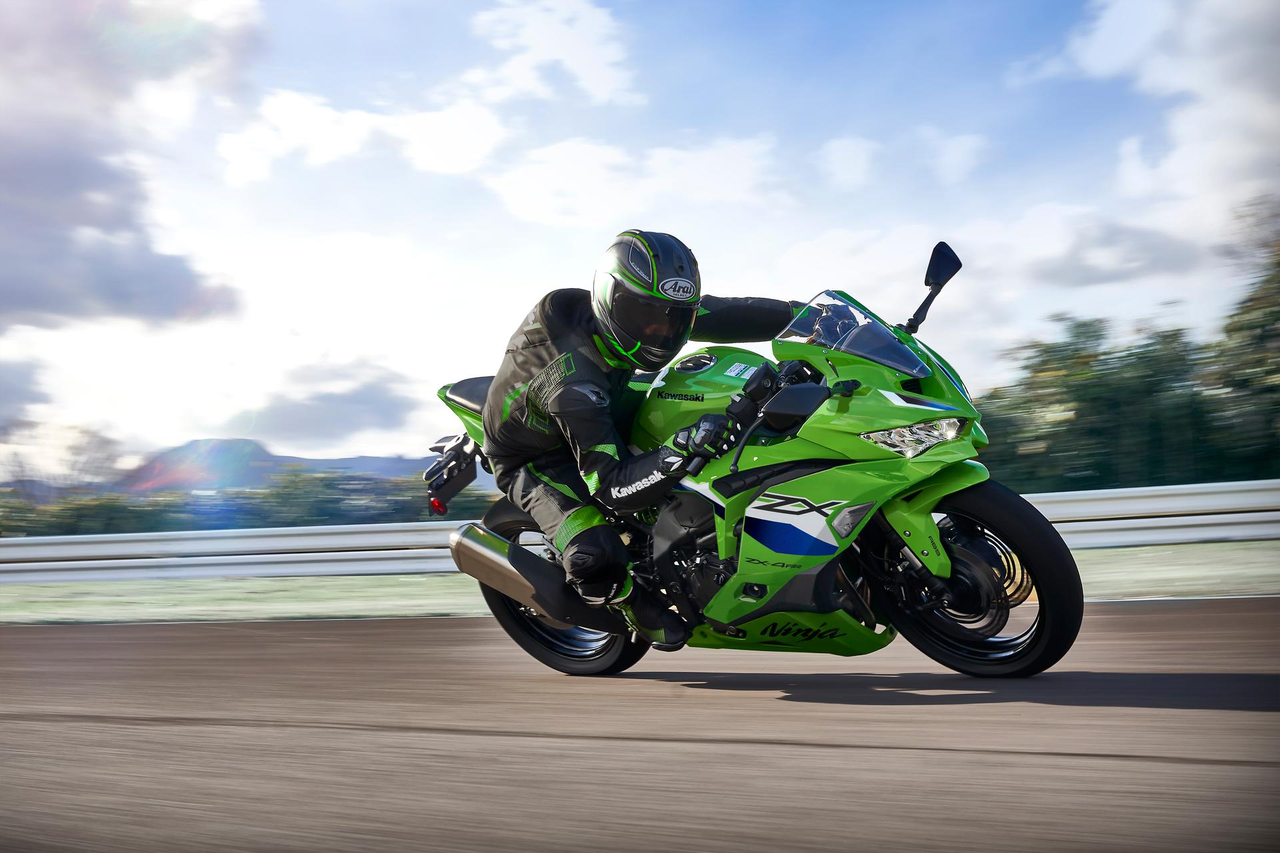
The ZX-4RR also comes with modern features like a full TFT display, LED lights, and ride modes including Sport, Road, and Rain, along with traction control and quick shifter. Its electronics package emphasizes rider confidence and usability across a variety of conditions, making it ideal for both spirited weekend rides and everyday commuting.
While both bikes share many electronic features, the ZX-4RR’s broader torque and user-friendly setup give it an edge in everyday versatility, whereas the ZX-25RR’s configuration is tailored more toward maximizing the excitement of its unique four-cylinder, high-rev engine.

Ergonomics and Riding Comfort
Kawasaki Ninja ZX-25RR
The Kawasaki Ninja ZX-25RR has a sport-oriented riding position with a slightly forward lean, keeping the rider engaged and connected to the road. This stance works well on twisty routes and track days but can feel more demanding in heavy traffic or longer rides. The seat height and narrow profile help with agility, but the aggressive posture may not suit riders seeking all-day comfort.
Kawasaki Ninja ZX-4RR
In contrast, the Kawasaki Ninja ZX-4RR offers a slightly more relaxed sportbike ergonomics without sacrificing performance. Its seat height and ride geometry aim to strike a balance between everyday usability and sportiness. Riders will find it more comfortable during longer highway rides or stop-and-go urban traffic, while still offering confident handling on twisty roads.

Specifications Comparison Table
| Specification | Kawasaki Ninja ZX-25RR | Kawasaki Ninja ZX-4RR |
|---|---|---|
| Engine | 249cc inline-four, liquid-cooled | 399cc inline-four, liquid-cooled |
| Power | 45 hp @ 15,500 rpm | ~65 hp @ 13,500 rpm |
| Torque | 22 Nm @ 12,500 rpm | ~40 Nm @ 10,500 rpm |
| Transmission | 6-speed | 6-speed |
| Front Suspension | Showa SFF-BP inverted front fork | Showa SFF-BP inverted front fork |
| Rear Suspension | Fully Adjustable Rear Monoshock | BFRC-lite rear shock |
| Front Brake | Single semi-floating disc with ABS | Dual semi-floating discs with ABS |
| Rear Brake | Single disc with ABS | Single disc with ABS |
| Seat Height | 785 mm | 800 mm |
| Electronics | TFT display, ride modes, traction control, quick shifter | TFT display, ride modes, traction control, quick shifter |
| Fuel Tank Capacity | 15 liters | 15 liters |

Who Each Bike is For
The ZX-25RR is perfect for riders who crave high-revving sportbike excitement and want a unique four-cylinder experience in a lightweight package. It’s ideal for weekend riders and enthusiasts who enjoy technical routes, aggressive cornering, and the distinctive sound and feel of a small but rev-happy engine.
The ZX-4RR suits riders who want versatile sport performance with everyday usability. Its broader torque delivery, larger engine capacity, and balanced ergonomics make it a great choice for those who ride in mixed conditions, from city traffic to open highways, without sacrificing agility or fun.

Conclusion
Both the Ninja ZX-25RR and Ninja ZX-4RR are excellent sportbikes, but they appeal to different types of riders. The ZX-25RR is all about precision, revs, and thrilling high-RPM performance, while the ZX-4RR delivers broader usability, punchy torque, and everyday comfort.
Ultimately, choosing between them comes down to your riding style. If you love pushing a redline and attacking twisty roads, the ZX-25RR may be your match. If you prefer a sportbike that feels strong everywhere, from city streets to highways, the ZX-4RR offers a more balanced ride with plenty of performance to spare.











Facebook
Instagram
X (Twitter)
YouTube
LinkedIn
RSS