

The early warning signs of motorcycle battery failure that many riders overlook, and how ignoring them can lead to sudden breakdowns and costly roadside rescue.
Subscribe to our Instagram Channel for instant news & updates!
A motorcycle battery rarely fails without warning. In most cases, it gives subtle signs long before the bike refuses to start. The problem is that many riders dismiss these signs as minor issues or temporary glitches. By the time the battery completely dies, the rider is often stranded on the roadside.
Understanding the early symptoms of battery failure can help prevent inconvenient breakdowns and unnecessary rescue calls. More importantly, it allows riders to replace or service the battery before it affects other electrical components.
Slow Engine Cranking During Start-Up
One of the earliest and most common warning signs is slow engine cranking. When you press the starter button, the engine may turn over more slowly than usual. It might sound weaker or struggle slightly before firing up.
Many riders ignore this, especially if the bike eventually starts. However, slow cranking usually indicates that the battery is losing its ability to hold a strong charge. Over time, this problem worsens until the engine no longer starts at all.
Dimming Lights and Weak Electrical Response
Another overlooked symptom is dim headlights, especially when the engine is idling. If the brightness changes noticeably when you rev the throttle, it may indicate battery weakness or charging system issues.
You may also notice slower instrument panel response, flickering displays, or weaker horn sound. These electrical inconsistencies are often blamed on wiring, but in many cases, the battery is the root cause.
Clicking Sound When Pressing the Starter
If you hear a clicking sound when pressing the starter but the engine does not turn over, the battery may not have enough power to engage the starter motor properly.
This is often one of the last warning signs before total failure. At this stage, the battery may still have some charge, but it is no longer strong enough to start the engine consistently.
Frequent Need for Jump-Starts
Needing a jump-start more than once is a major red flag. While a single incident may happen due to lights being left on, repeated jump-starts usually indicate a battery that can no longer retain charge properly.
Continuing to rely on jump-starts puts additional stress on the charging system and may lead to alternator or regulator issues if not addressed quickly.
Swollen Battery Case or Corrosion
Physical signs should never be ignored. A swollen battery casing, leaking fluid, or heavy corrosion around the terminals indicates internal damage or overheating.
These issues can pose safety risks and should be inspected immediately. A damaged battery can fail suddenly and, in rare cases, cause electrical short circuits.

Why Riders Ignore These Symptoms
Many riders assume that as long as the motorcycle starts eventually, everything is fine. Others believe battery problems only happen when the bike is old. In reality, battery lifespan depends on riding frequency, weather conditions, and maintenance habits. Short rides, long parking periods, and extreme heat can all shorten battery life significantly.
Preventing Sudden Battery Failure
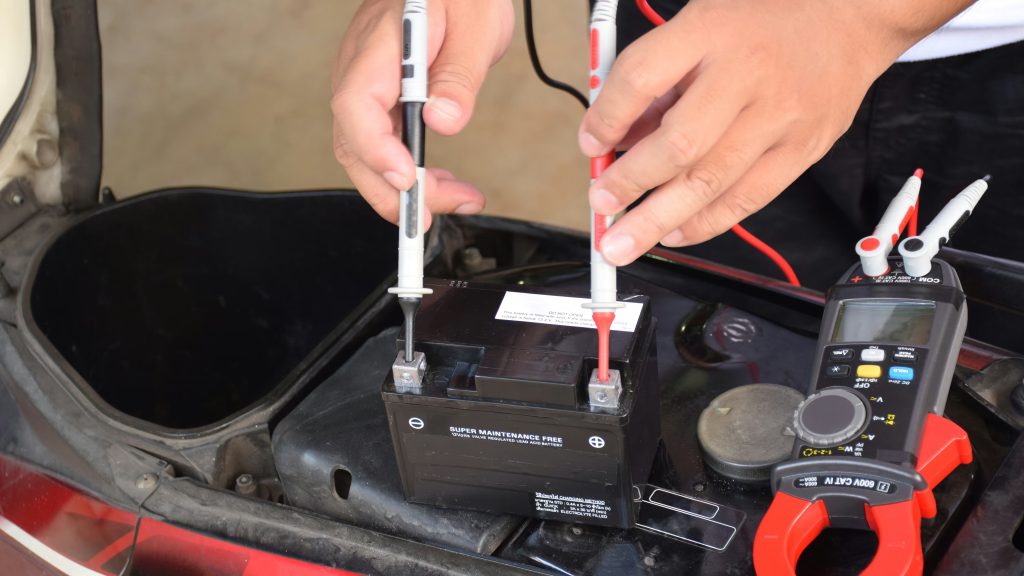
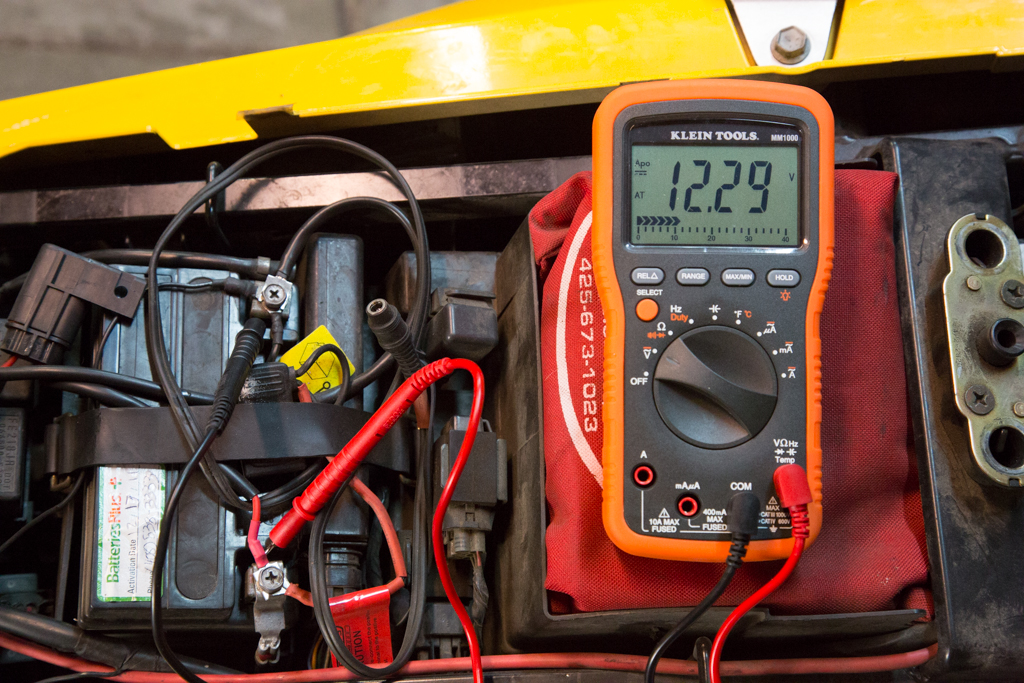
Regular voltage checks, cleaning battery terminals, and ensuring proper charging system function can extend battery life. Replacing the battery before it completely fails is often cheaper than paying for roadside rescue or emergency towing. Paying attention to early warning signs ensures reliability and prevents being stranded at the worst possible time.
Conclusion
Battery failure rarely happens without warning. Slow cranking, dim lights, clicking sounds, and repeated jump-starts are all signs that should not be ignored. Recognising these symptoms early can save riders from unexpected breakdowns, reduce stress, and ensure a smoother, safer riding experience.













Facebook
Instagram
X (Twitter)
YouTube
LinkedIn
RSS