

Understanding the role of aerodynamics in MotoGP: how teams tweak bike design, fairings, and winglets to maximize speed, stability, and cornering performance on different tracks.
Subscribe to our Instagram Channel for instant news & updates!
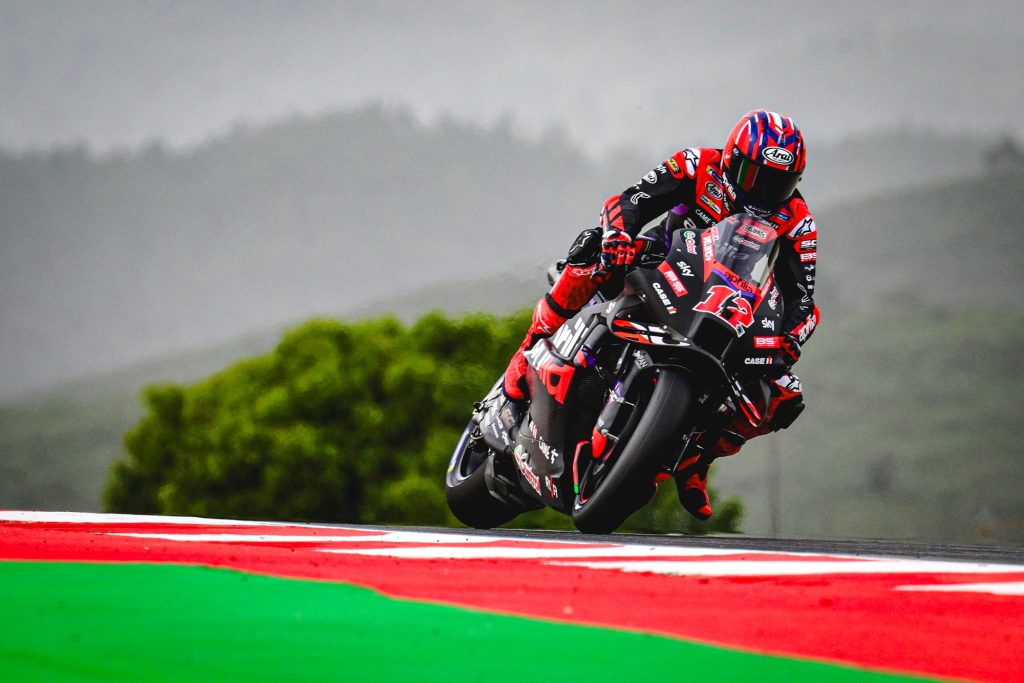
In MotoGP, every fraction of a second counts. Beyond engine power and rider skill, aerodynamics plays a critical role in determining lap times, stability, and fuel efficiency. MotoGP teams spend countless hours testing, analyzing, and adjusting the aerodynamics of their bikes to suit the unique characteristics of each circuit. From long straights to tight corners, the way air flows around the bike can significantly impact speed, handling, and tire wear.
Optimizing aerodynamics is not just about adding winglets or spoilers, it involves a combination of advanced design, precise data analysis, and on-track testing. Teams work to reduce drag, increase downforce, and maintain stability under extreme conditions, ensuring riders can push the limits safely.
Why Aerodynamics Matters in MotoGP
Aerodynamics affects multiple aspects of a MotoGP bike. On long straights, minimizing drag allows the bike to reach maximum speed. In corners, controlled airflow increases downforce, improving grip and stability. Poor aerodynamic balance can lead to wheelies, instability under braking, or excessive tire wear, all of which compromise performance.
Each circuit presents unique challenges. A track with long straights like Mugello requires low drag for top speed, while a twisty circuit like Sachsenring demands maximum stability through corners. Understanding and adapting to these conditions is a key factor in a team’s success.

Adjusting Bike Fairings and Winglets
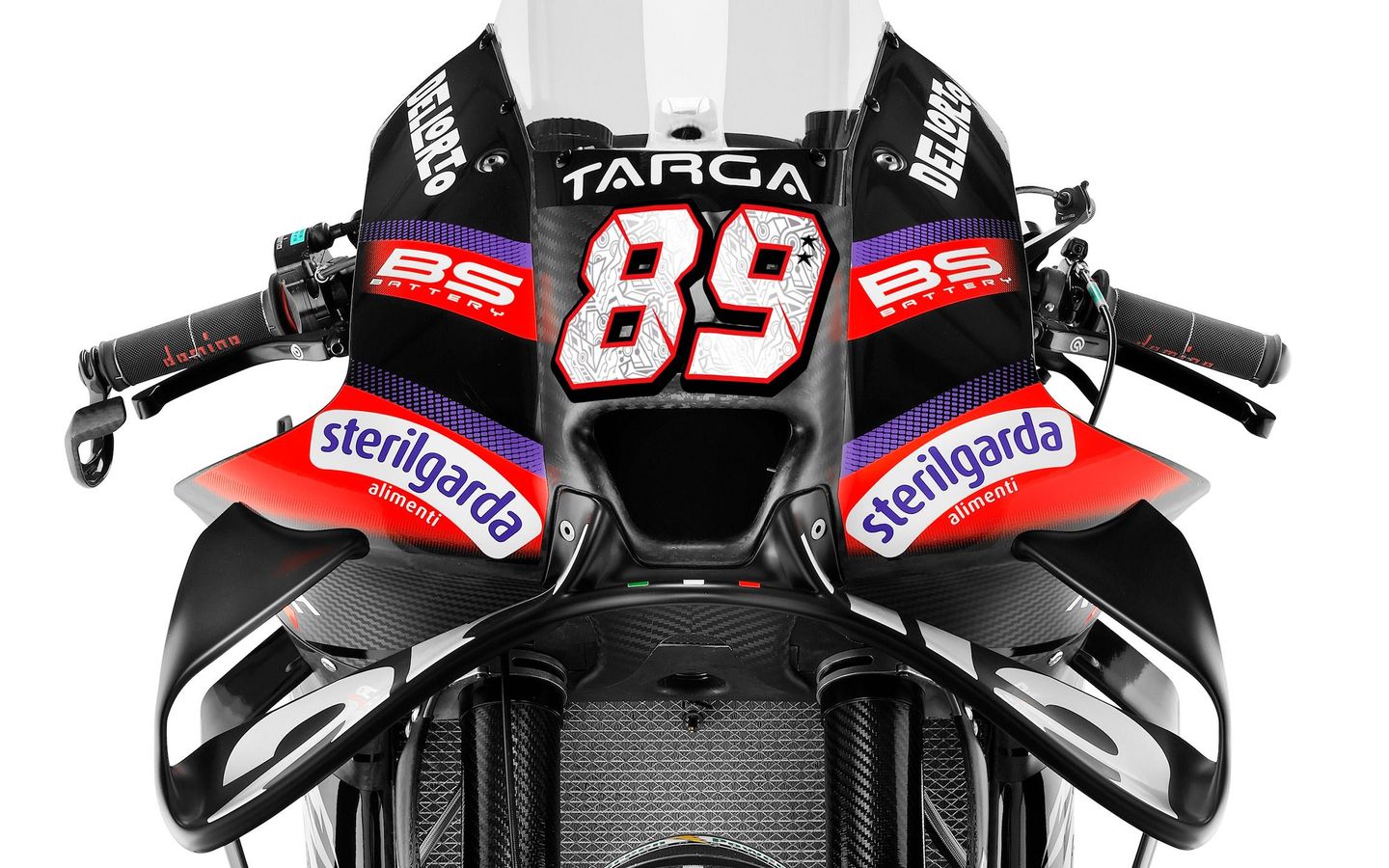
MotoGP bikes are equipped with fairings and winglets designed to manage airflow. Winglets generate downforce, keeping the front wheel grounded during hard acceleration, while fairings reduce air resistance and help channel air away from the rider. Teams often make small adjustments to these components depending on the circuit layout, track temperature, and wind conditions.
Even minor changes can affect bike balance and rider confidence. For example, increasing front downforce may improve cornering but slightly reduce top speed on straights. Engineers must find the perfect compromise for optimal lap times.
Data-Driven Aerodynamic Tuning
Modern MotoGP teams rely heavily on telemetry and wind tunnel testing to optimize aerodynamics. Sensors measure airflow, drag, lift, and stability under different conditions, allowing engineers to fine-tune the bike’s bodywork. Computational Fluid Dynamics or CFD simulations also help predict how changes in design will affect performance without physically modifying the bike.
This combination of digital modeling and real-world testing ensures that bikes are not only fast in theory but also stable and predictable on track.
Impact on Rider Performance
Aerodynamics is not just about the bike, it directly affects the rider. Increased downforce reduces front wheel lift during acceleration, making it easier to maintain control. Smoother airflow around the rider also reduces fatigue during long races by minimizing wind resistance. A well-optimized aerodynamic setup allows riders to confidently push harder in corners and maintain higher speeds on straights.
Circuit-Specific Strategies
Different tracks require tailored aerodynamic strategies. Teams consider factors like straight length, corner angles, track width, and surface conditions when choosing setups. Some circuits favor bikes with lower drag and fewer winglets, while others benefit from additional downforce and stability-focused fairings. Adjusting aerodynamics for each track ensures that riders can extract maximum performance while reducing the risk of instability or tire degradation.
Conclusion
Aerodynamics is a critical, often underappreciated aspect of MotoGP performance. By carefully optimizing fairings, winglets, and airflow through data analysis and testing, teams can give riders a competitive edge on every circuit. A well-balanced aerodynamic setup not only boosts speed and stability but also enhances rider confidence, allowing them to push the limits safely. In MotoGP, where milliseconds matter, mastering aerodynamics can be the difference between victory and defeat.















Facebook
Instagram
X (Twitter)
YouTube
LinkedIn
RSS