

How to recognize, prevent, and manage motorcycle overheating to avoid breakdowns and ensure safer riding conditions.
Subscribe to our Instagram Channel for instant news & updates!
Motorcycle overheating is one of the most common causes of roadside emergencies, yet many riders underestimate how quickly it can damage an engine. Whether you’re riding in heavy traffic, hot climates, or on hilly terrain, overheating can happen to any bike if the cooling system is compromised, fuel mixture is incorrect, or the engine is under continuous strain. Knowing how to recognize the signs and act quickly can save your motorcycle from serious damage and prevent potentially dangerous situations on the road.
Common Causes of Motorcycle Overheating
Motorcycles can overheat for a variety of reasons. Poor circulation in the cooling system, low coolant levels, clogged radiators, or malfunctioning fans can reduce the engine’s ability to stay at an optimal temperature. In air-cooled motorcycles, heavy traffic or slow-moving urban riding can cause heat to build up around the engine, especially in hot weather.
Overloading the bike or aggressive riding styles can also push the engine beyond its designed thermal limits. Ignoring early signs of overheating increases the risk of warped components, blown gaskets, or even engine seizure.
Warning Signs of Overheating
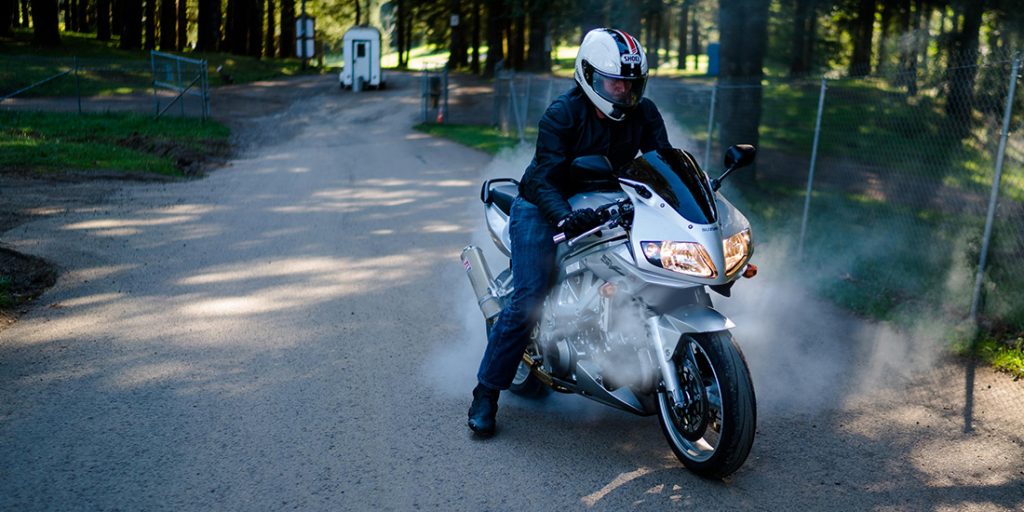
Most motorcycles give subtle signals before overheating becomes critical. Riders may notice the temperature gauge rising higher than normal, unusual smells like hot oil, steam coming from the engine, or a sudden loss of power. The engine may also start to make abnormal ticking or knocking noises. Early recognition of these signs allows riders to take preventive action before the damage becomes severe.
Immediate Actions to Cool Down the Motorcycle
When your motorcycle begins to overheat, the first step is to safely reduce engine load. Pull over to a shaded area and switch off the engine to allow it to cool. Avoid pouring cold water directly onto a hot engine, as the sudden temperature change can warp metal components or crack the cylinder head.
Instead, allow the engine to cool naturally, or use a damp cloth to gently dissipate heat if necessary. Removing heavy luggage or reducing the load can also help lower engine stress. For liquid-cooled bikes, checking coolant levels once the engine is safe to touch is crucial before continuing your journey.
Preventive Tips to Avoid Overheating
Preventing overheating is always better than managing it mid-ride. Regular maintenance, including flushing the cooling system, inspecting hoses and fans, and replacing worn components, can keep your engine running efficiently. For riders in hot climates, consider taking breaks during long rides to prevent sustained high engine temperatures.
Using high-quality coolant and ensuring proper oil levels also reduces the risk of overheating. Additionally, understanding your motorcycle’s load capacity and avoiding excessive strain during city traffic or uphill climbs will prolong engine life.
Conclusion
Motorcycle overheating is a serious issue that can lead to costly repairs or dangerous situations if not handled properly. Recognizing early signs, acting quickly to reduce engine stress, and following preventive maintenance practices are essential for every rider. By taking these steps, riders can enjoy safer, more reliable rides, even in challenging conditions or hot weather.














Facebook
Instagram
X (Twitter)
YouTube
LinkedIn
RSS