

A Simple Guide to Understanding How Riders Really Turn Their Motorcycles

Subscribe to our Instagram Channel for instant news & updates!
Counter steering is one of the most important techniques in motorcycle riding, yet many new riders still don’t fully realise that they are applying this technique every time they ride. Whether you’re riding on the highway or carving through corners, counter steering plays a major role in how your motorcycle changes direction.
What Is Counter Steering in Motorcycle Riding?
Counter steering is the primary method motorcycles use to initiate lean at speeds above 20–30 km/h. When a rider applies forward pressure on one side of the handlebar, it creates a steering torque that temporarily turns the front wheel away from the intended direction. This induces a lean due to the motorcycle’s centre of mass shifting relative to the contact patch.

How It Works Physically
A motorcycle remains balanced because of gyroscopic stability and the geometry of the steering system. When the rider pushes the right handlebar, the front wheel momentarily steers left. This generates lateral force that shifts the bike’s centre of gravity outward, causing it to lean right, or vice versa. Once leaned, the front wheel naturally reorients into the turn due to trail and self-correcting steering geometry.
Why Counter Steering Is Important
Counter steering gives riders precise control during cornering. By initiating the lean with a small push on the handlebar, you can adjust your line more accurately and quickly. This improves your stability, especially when riding at higher speeds. It also helps you to avoid any obstacles on the road. When a car suddenly swerves, or you spot any debris ahead, counter steering allows you to dodge quickly and safely with minimal effort.
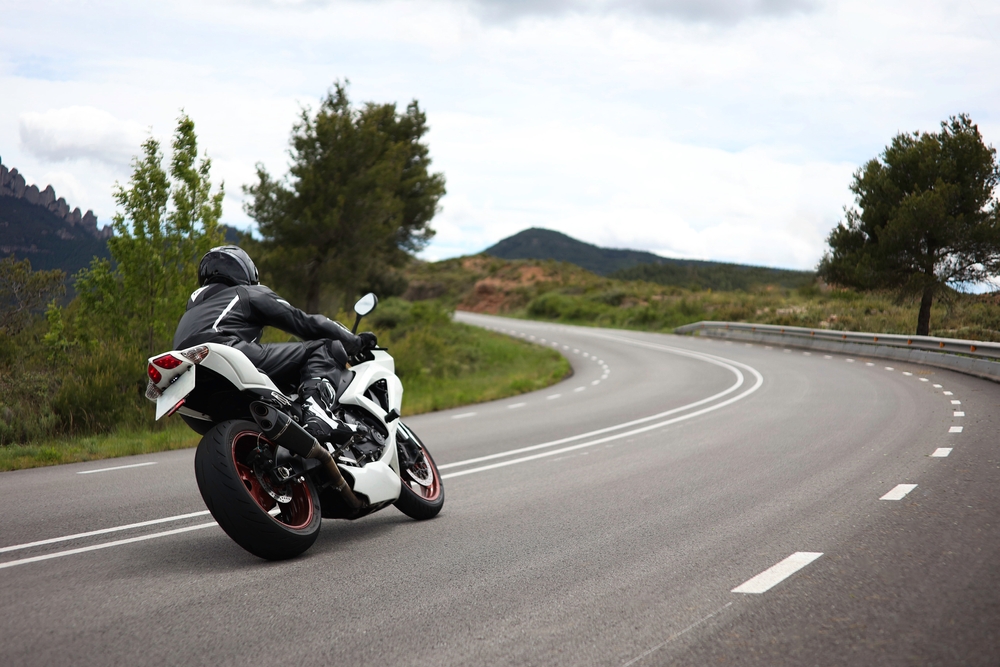
How to Practise Counter Steering Safely
To counter steer, start by riding at a moderate speed on a safe, open road. Keep a relaxed grip on the handlebars and choose a direction to turn. If you push forward on the right handlebar, the bike will naturally lean and turn right. If you push the left, the motorcycle will lean left. Focus on smooth, controlled inputs. You don’t need to push hard, even a slight press is enough for the bike to respond. Practising this at a steady pace helps you to build confidence and improves your ability to handle corners.
Common Mistakes Riders Make
One common mistake is stiffening up. When riders grip the handlebars too tightly, their movements become too jerky and unpredictable. Staying relaxed allows the motorcycle to do the work. Another mistake is relying only on body lean. While shifting your weight does help, counter steering remains the main way to initiate a turn at normal riding speeds. Some riders also hesitate to trust the technique, especially beginners. The key is to practice slowly and let the bike respond naturally.
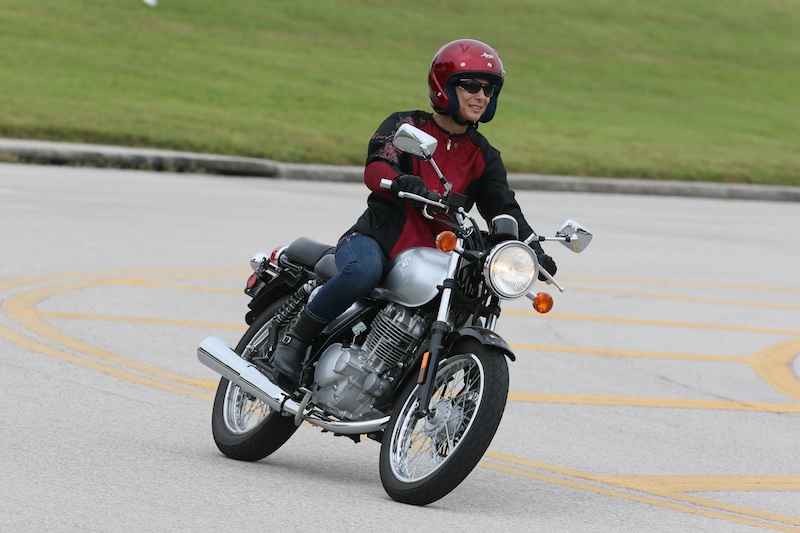
Benefits for Everyday Riding
Counter steering makes your rides smoother, safer, and more predictable. It sharpens your cornering accuracy and boosts your reaction time during emergencies. Whether you’re commuting, touring, or enjoying weekend rides, being able to master this technique will enhance your overall control and confidence on the road.
Conclusion
Counter steering is a fundamental skill that every motorcycle rider should understand. Once you become familiar with how it works, turning becomes effortless and more controlled. With steady practice, counter steering will feel natural, helping you ride with greater precision and safety in every situation.















Facebook
Instagram
X (Twitter)
YouTube
LinkedIn
RSS