

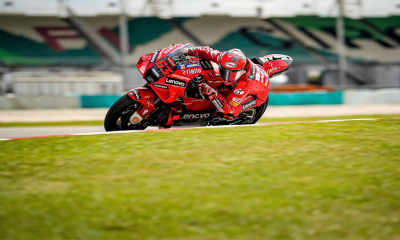
At 350 km/h, every decision matters. MotoGP riders constantly balance speed, risk, and championship strategy when choosing whether to attack for victory or ride smart for points.
Subscribe to our Instagram Channel for instant news & updates!
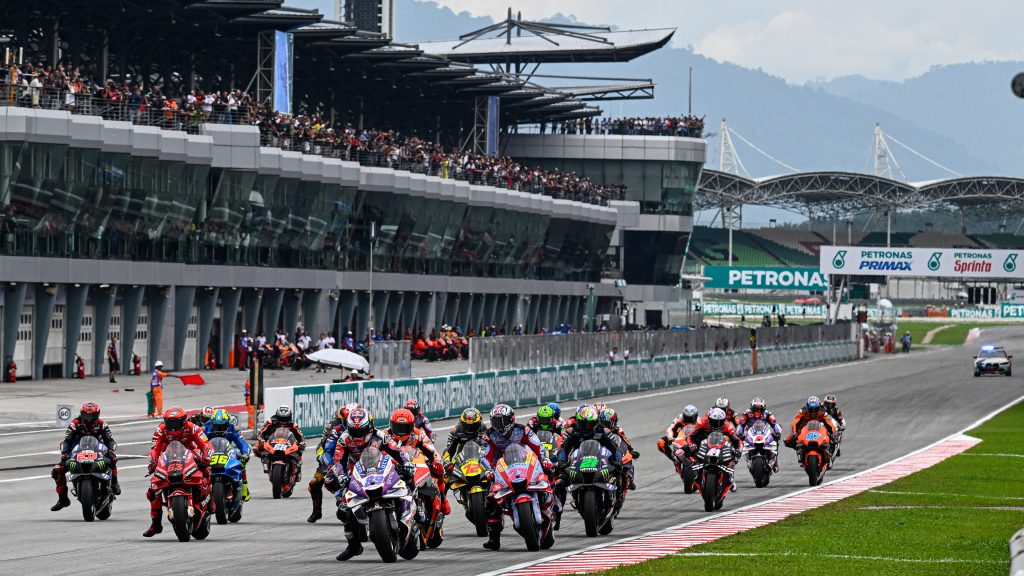
MotoGP is often seen as a flat-out race where riders push at maximum pace from lights to flag. In reality, every lap involves calculated decision-making. Riders are constantly assessing grip levels, tyre life, track conditions, and championship standings to decide whether to push harder or settle for valuable points.
Knowing when to attack and when to back off is one of the most important skills at the highest level of motorcycle racing. These split-second decisions often separate champions from the rest of the grid.
Racing Is Not Always About Winning
While winning races brings prestige and momentum, MotoGP championships are usually decided by consistency. A rider who finishes on the podium every weekend often beats a rider who wins occasionally but crashes frequently.
Because of this, riders and teams place huge emphasis on scoring points, especially during long seasons with more than 20 races. Sometimes, finishing fourth or fifth is considered a success if it protects a championship lead or avoids unnecessary risk.
Tyre Performance Shapes Race Decisions
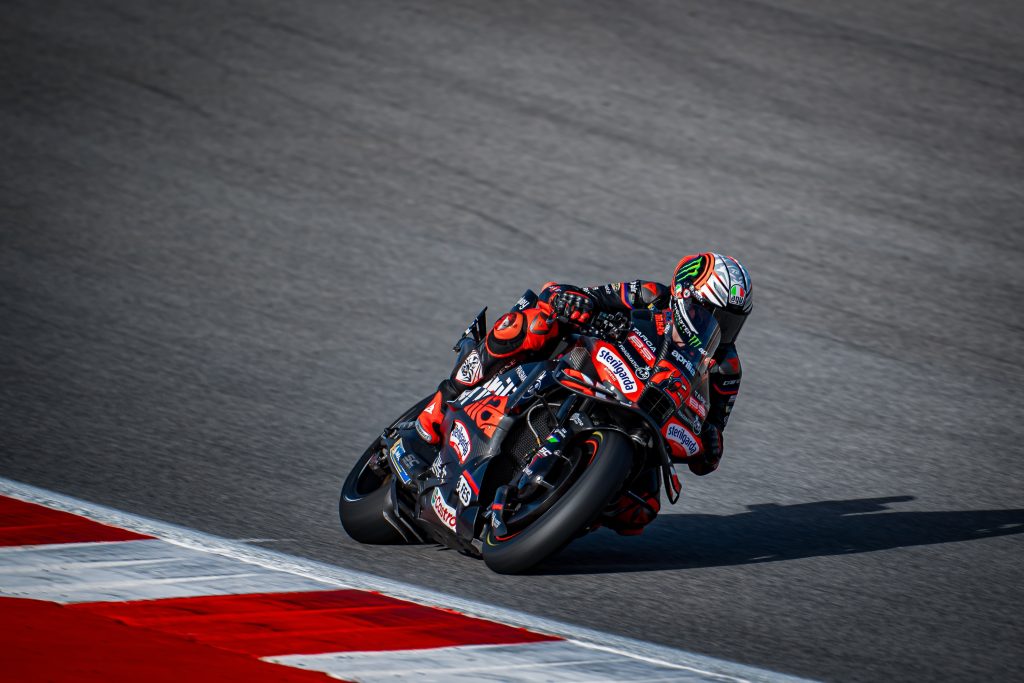
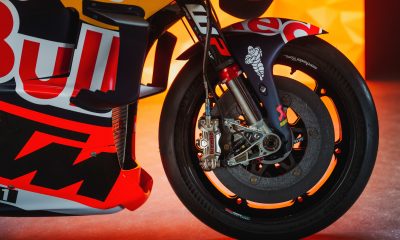
Tyre condition plays a major role in whether a rider decides to push. MotoGP tyres offer incredible grip, but they degrade quickly depending on riding style, track temperature, and race pace. A rider who pushes too hard early in the race may suffer severe grip loss in the final laps.
When riders feel rear grip fading or front-end confidence dropping, they often adjust their pace to protect tyre life. In these moments, settling for points becomes the smarter option than risking a crash while chasing a position that may not be sustainable.
Track Conditions and Risk Management
MotoGP circuits change constantly throughout a race weekend. Rubber buildup, temperature shifts, and wind conditions all affect grip levels. Riders are trained to sense subtle changes in traction and adjust their approach accordingly.
On tracks with narrow racing lines or unpredictable grip, pushing beyond a certain limit increases crash risk dramatically. In these situations, riders may choose consistency over aggression, especially if overtaking opportunities are limited.
Championship Context Matters
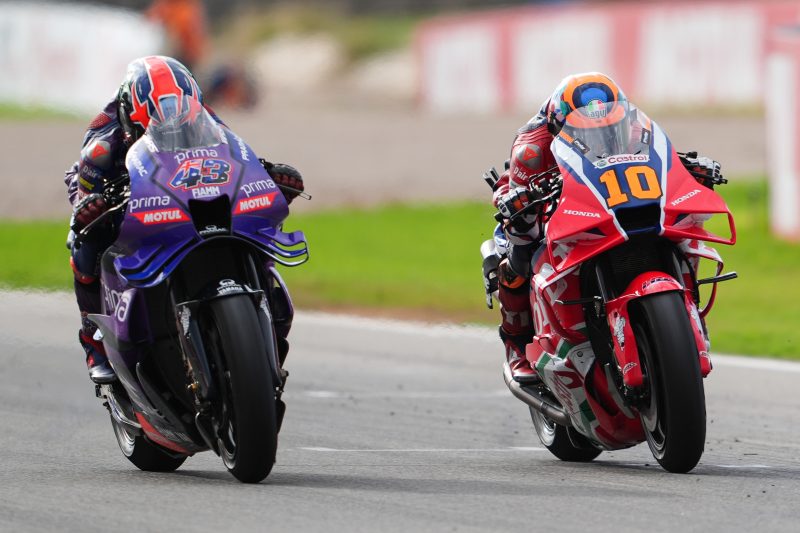
A rider leading the championship approaches races very differently from someone fighting for their first podium. When a rider holds a points advantage, every race becomes a risk-management exercise. The goal shifts from maximum attack to minimizing mistakes.
On the other hand, riders trailing in the standings may be forced to push harder to close the gap, even if it increases the chance of crashing. These contrasting approaches often explain why riders from the same team may appear to race differently.
Communication With the Team
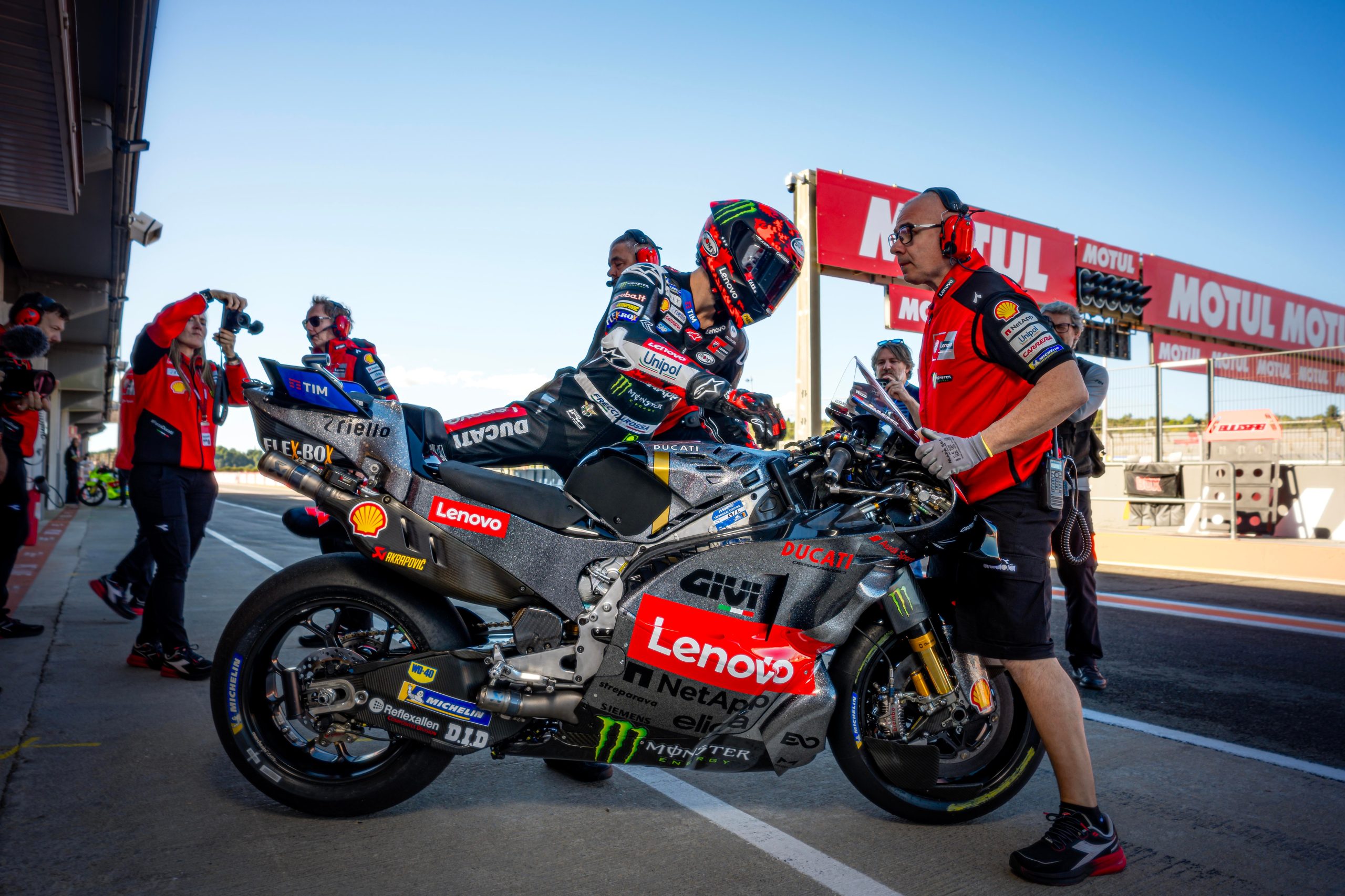
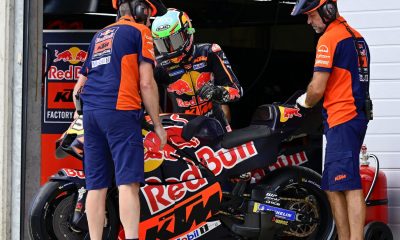
Pit boards and dashboard signals play a key role in race strategy. Teams monitor lap times, tyre wear, and rival performance in real time. When a team signals that a rider’s pace is sufficient to secure a strong points finish, the rider may be advised to hold position rather than attack.
Trust between rider and crew is crucial. Experienced riders often rely heavily on team guidance when deciding whether to push harder or maintain a controlled pace.
Mental and Physical Fatigue
MotoGP races are physically demanding, especially in hot conditions. As fatigue sets in, reaction times slow and mistakes become more likely. Riders are trained to recognise when their physical condition may compromise safety.
In these moments, backing off slightly to secure points can be the difference between finishing the race and crashing out. Championship-winning riders are often those who understand their own limits best.
Why This Skill Separates Champions
Raw speed gets riders into MotoGP, but decision-making keeps them there. The ability to judge risk, manage tyres, and think long-term is what turns fast riders into consistent championship contenders. Fans may remember dramatic victories, but behind every title is a series of smart decisions where riders chose patience over aggression.
Final Thoughts
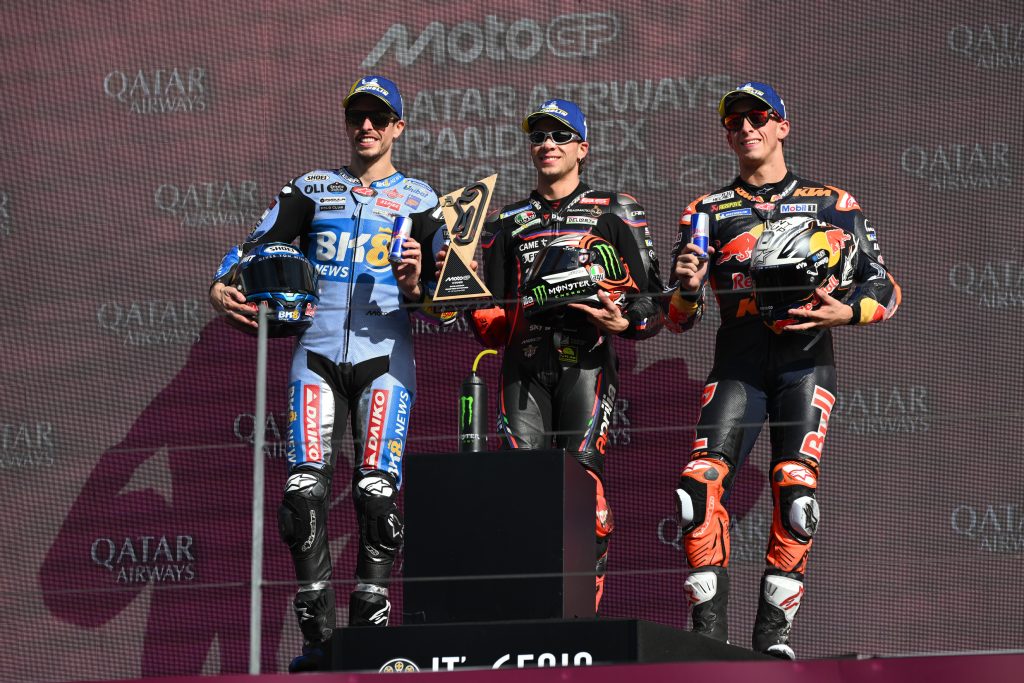
MotoGP is as much a mental game as it is a physical one. Knowing when to push and when to settle for points is a skill refined through experience, data analysis, and instinct. Riders who master this balance not only stay upright more often but also build the consistency needed to fight for championships year after year.











Facebook
Instagram
X (Twitter)
YouTube
LinkedIn
RSS