

Discover how different riding patterns, daily commuting versus weekend leisure rides, affect your motorcycle’s engine, suspension, tires, and overall lifespan.

Subscribe to our Instagram Channel for instant news & updates!
Not all motorcycles wear out the same way, even if they are the same model and year. One of the biggest factors is how you use your bike. Riders who commute daily in stop-and-go traffic put different stresses on their motorcycles compared to those who take long weekend rides on highways or scenic routes. Understanding these differences can help you maintain your bike better, extend its lifespan, and avoid costly repairs.
Riding Patterns: Stop-and-Go vs Long-Distance
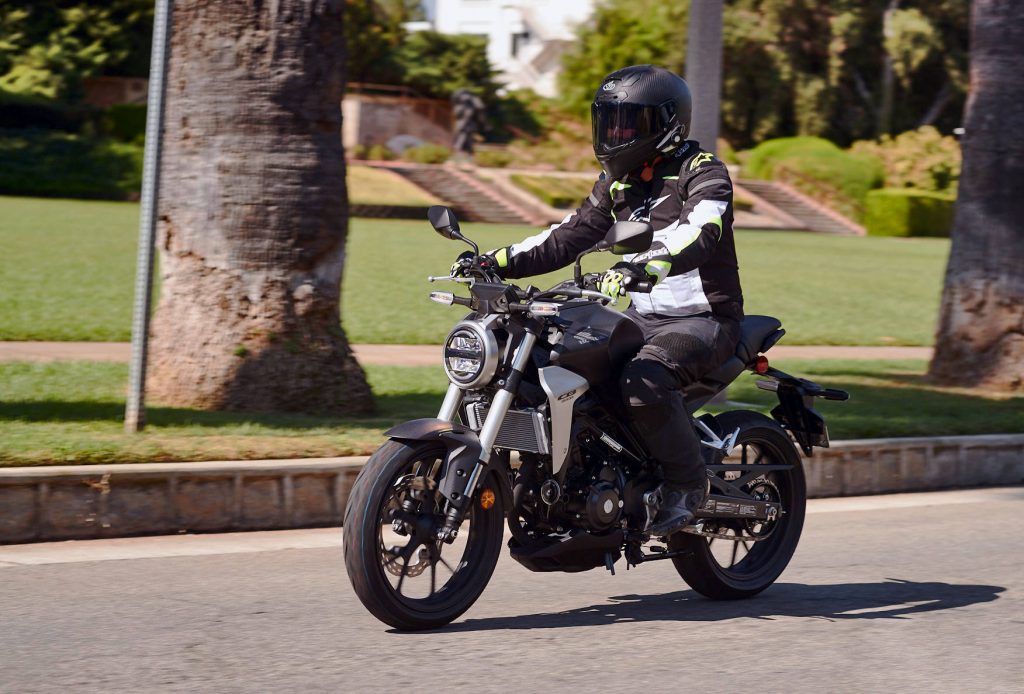
Daily commuters often deal with traffic lights, frequent stops, and inconsistent speeds. This means the engine experiences repeated warm-up and cool-down cycles, and components are subjected to constant micro-stresses.
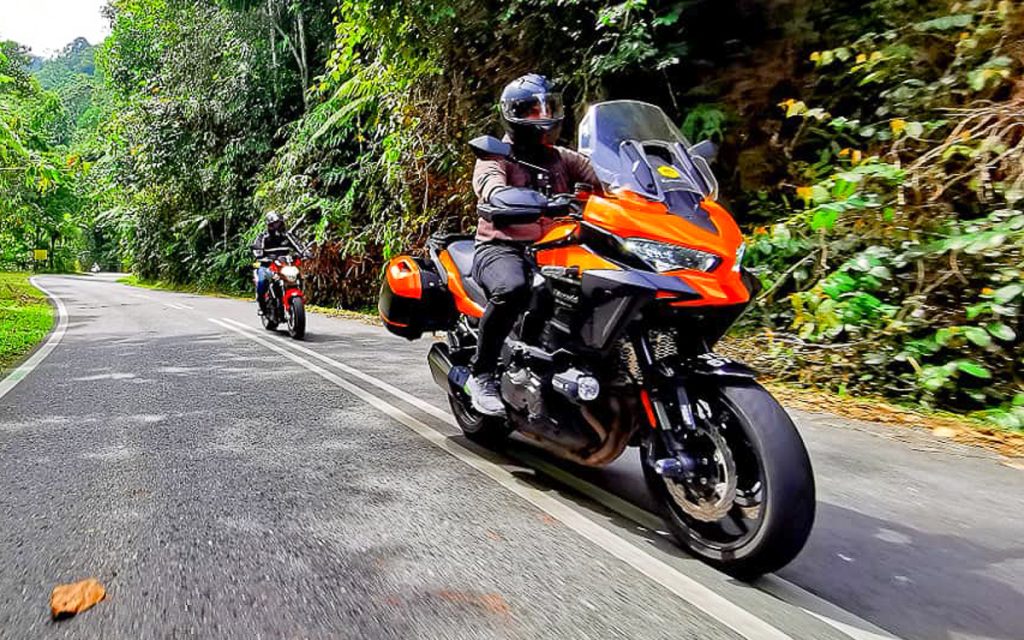
Weekend riders, on the other hand, tend to ride for longer stretches at steady speeds. While this reduces frequent engine stress, it places continuous load on the bike over extended periods. Each riding style affects the bike differently, and both have their own maintenance challenges.
Impact on the Engine
For daily commuters, repeated short rides can lead to higher wear on the engine oil, gaskets, and cooling system due to constant heating and cooling cycles. Engines may also overheat if the cooling system isn’t in top condition.
Weekend riders put prolonged strain on the engine during extended rides. Without proper oil and cooling maintenance, this continuous workload can cause gradual internal wear, especially on pistons, valves, and bearings.
Effects on Clutch and Transmission
Daily riders use the clutch frequently in traffic, which accelerates clutch wear and stresses the transmission. Gear shifting mistakes in stop-and-go conditions can also contribute to early gearbox wear.
Weekend riders, by contrast, use the clutch less often but put it under higher load when accelerating or carrying passengers and luggage. Transmission components may experience more constant pressure, which can also lead to wear over time.

Suspension and Brakes
Urban riders face potholes, bumps, and sudden braking often, which can wear out forks, shocks, and brake pads faster.
Touring riders maintain smoother braking patterns and ride over longer stretches, but carrying additional luggage and passengers adds continuous stress on suspension and braking systems. Proper suspension setup is crucial for long-distance reliability.
Tire and Chain Wear
City riders may notice uneven tire wear due to frequent stops and acceleration, while chains and sprockets can wear quickly if not lubricated regularly.
Weekend riders experience more even tire wear because of steady-speed riding. However, the higher distances covered during each ride mean that overall mileage adds up quickly, and chains require consistent maintenance to prevent from early failure.
Maintenance Tips for Both Types of Riders
For daily commuters, regular oil checks, frequent chain lubrication, and timely clutch inspections are essential. Monitor brake pads and tire condition closely.
For weekend riders, check oil levels and cooling systems before long rides. Inspect suspension and brakes, and keep chains lubricated. Pre-ride inspections prevent long-term damage during extended trips.
Conclusion
Daily commuting and weekend riding affect your motorcycle in very different ways. City riding puts frequent, repeated stress on the bike, while touring places prolonged stress on key components. Understanding your riding style allows you to adjust maintenance routines, extend component life, and enjoy a safer, more reliable ride.















Facebook
Instagram
X (Twitter)
YouTube
LinkedIn
RSS