

Understanding why feeling confident on a motorcycle doesn’t always mean you have the skill to handle every road situation, and how to bridge the gap safely.

Subscribe to our Instagram Channel for instant news & updates!
Motorcycle riding is as much a mental challenge as it is physical. One of the most common mistakes both beginners and experienced riders alike make is confusing confidence with true capability.
Feeling fearless or skilled does not automatically mean you have the technical ability to handle every situation on the road. This gap between confidence and capability can lead to overestimation of skill, risky decisions, and sometimes accidents.
Confidence: How It Can Mislead Riders
Confidence comes from familiarity, past experiences, or simply feeling comfortable on a bike. A rider may feel in control after riding a straight road at moderate speed or handling a few easy corners.
That sense of ease can create a false impression of skill, making riders think they are ready to handle more challenging situations than they actually are. Overconfidence often encourages taking risks that exceed both the bike’s and the rider’s limits.

Capability: The Real Measure of Skill
Capability, on the other hand, is about having the technical skills, control, and judgment to safely handle any scenario. It includes mastering throttle control, braking, line selection, lean angles, and body positioning.
Capability is also about adaptability, responding correctly when something unexpected happens, like sudden traffic, slippery roads, or debris. Unlike confidence, capability cannot be faked or rushed, it comes only from deliberate practice, experience, and continuous learning.
Where the Gap Shows Up Most
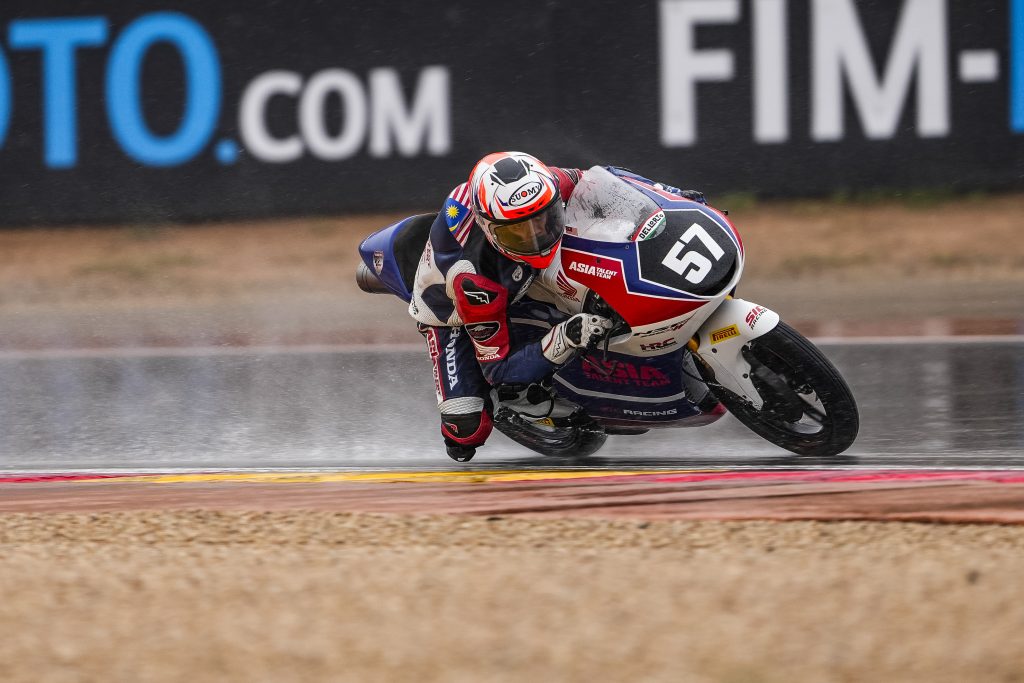
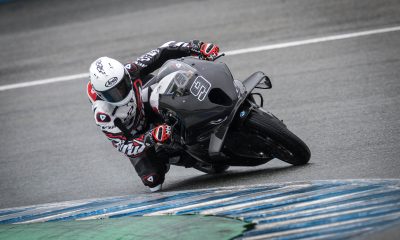
The difference between confidence and capability becomes evident in situations that test both skill and judgment. Fast corners, emergency braking, or wet road conditions are scenarios where overconfidence without the necessary capability can quickly lead to mistakes.
Riders who rely solely on confidence may push their bikes beyond what they can actually control, while capable riders approach the same scenarios with calculated awareness and measured speed.
Closing the Gap Between Confidence and Capability
Bridging this gap starts with self-awareness. Riders must honestly evaluate their strengths and weaknesses and understand that feeling confident doesn’t guarantee skill. Practicing under controlled conditions, such as a track day or a riding course, helps turn confidence into real capability.
Experienced riders often stress the importance of patience which is by learning gradually, testing your limits safely, and prioritizing control over showy speed.
Conclusion
Confidence may feel good, but capability is what keeps riders safe. The most respected and effective riders are those who know the difference between how confident they feel and what they can truly handle.
By acknowledging the gap and working to close it through skill development, any rider can transform from feeling capable to genuinely being capable, making every ride safer and more enjoyable.














Facebook
Instagram
X (Twitter)
YouTube
LinkedIn
RSS