

The Japanese manufacturer begins early development of next-generation MotoGP machines as the championship prepares for new 850cc engines and major technical changes.
Subscribe to our Instagram Channel for instant news & updates!
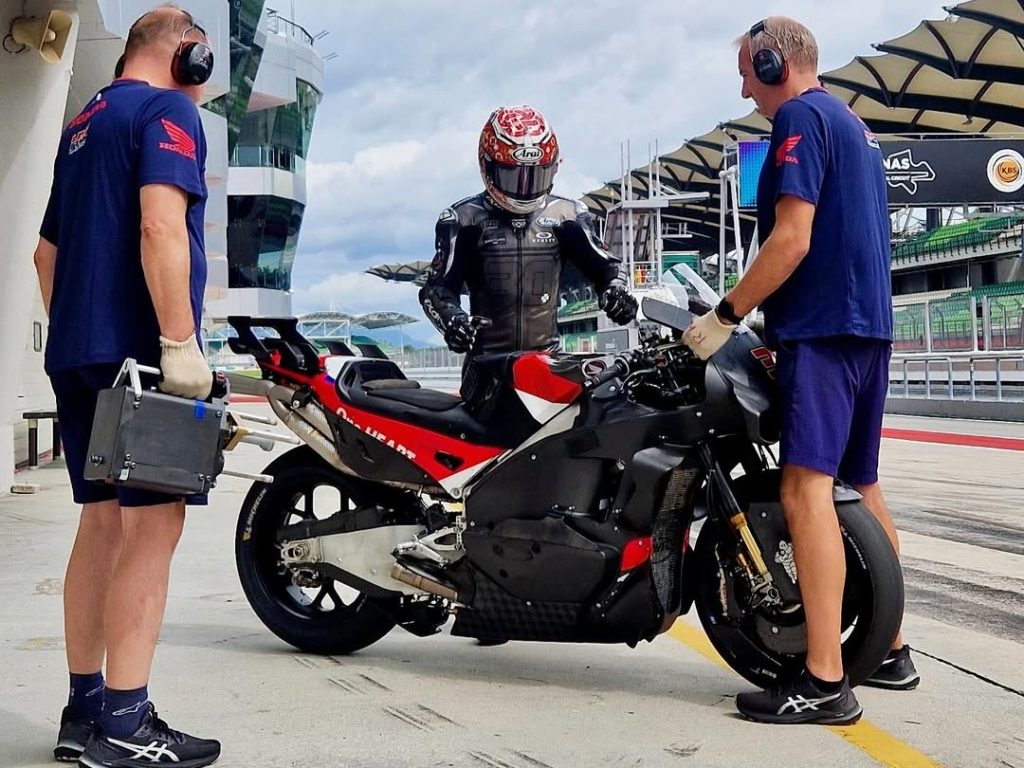
Honda Racing Corporation has taken an early step toward the future of MotoGP after putting its first 850cc prototype motorcycle on track ahead of the major regulation changes scheduled for 2027.
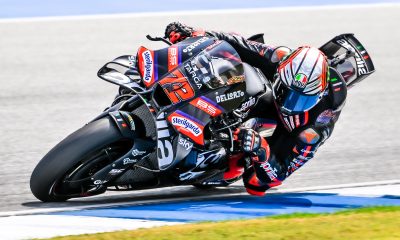
The prototype machine was recently tested in Malaysia during a private test session, with Honda test rider Takaaki Nakagami completing the first laps aboard the new bike. The machine is partly based on Honda’s current MotoGP platform but features a completely new 850cc engine, designed to comply with the upcoming regulations.
Footage shared on Honda’s social media channels shows Nakagami riding the prototype during a rain-affected test session, giving fans an early glimpse of the bike in action and the sound of the new engine on track.
Speaking about his first impression of the machine, Nakagami described the bike as feeling noticeably lighter. “The first impression is super light. I was a bit surprised, even in these conditions. Quite nice,” he said.

MotoGP is set to undergo significant technical changes in 2027. One of the biggest changes is the reduction in engine capacity from 1000cc to 850cc, a move aimed at improving safety while maintaining competitive racing.
Alongside the smaller engines, several current technologies will also be removed. Ride-height devices will be banned and aerodynamic elements will be reduced, in an effort to simplify the bikes and improve racing dynamics.
The new era will also focus on sustainability. From 2027 onwards, MotoGP machines will run on 100 percent non-fossil fuels, while tyre supplier Pirelli will replace Michelin as the championship’s official tyre partner.
Honda is not the only manufacturer preparing early for the upcoming rule changes. KTM has already tested an 850cc MotoGP engine, while Yamaha Motor Company is believed to have conducted initial tests privately. Meanwhile, Ducati and Aprilia Racing are reportedly targeting a spring debut for their own prototype machines.
Despite the reduction in engine capacity, the new generation of MotoGP bikes is still expected to deliver impressive performance. Early estimates suggest the machines may initially be around 1.5 to 2.5 seconds slower per lap, although engineers expect lap times to improve quickly as development progresses.
For Honda, these early tests are crucial in gathering data and understanding how the new engine, chassis and electronics package will work together under the upcoming regulations. The testing phase will help the manufacturer prepare for what is expected to be one of the biggest technical shifts in MotoGP history.
There are also rumours surrounding Honda’s long-term plans, with speculation that the team could attempt to sign Fabio Quartararo from Yamaha as part of its 2027 rider lineup.











Facebook
Instagram
X (Twitter)
YouTube
LinkedIn
RSS