

Yamaha’s 2025 global sales held steady at 4.8 million units, but market share slipped and volumes remain well below 2012 peaks, with sharp declines in ASEAN markets signaling structural challenges amid rising competition.
Subscribe to our Instagram Channel for instant news & updates!
Yamaha Motor Co., Ltd. closed 2025 with global sales of 4.8 million units, essentially unchanged from the previous year. On paper, the numbers seem steady, but volumes remain below 2019 levels and about 25% under the 2012 peak, even as the global motorcycle market has grown. Market share also dipped 0.4 points, highlighting structural pressure rather than temporary weakness.
ASEAN Weakness Hits Hard
Yamaha’s traditional strongholds in Southeast Asia show the sharpest declines:
- Vietnam: -72% since 2012
- Indonesia: -46%
- Thailand: -51%
These are high-volume, strategic markets. Honda has consolidated dominance, while Chinese and Indian brands are steadily eroding Yamaha’s position. The trend points to a structural loss of competitive ground rather than cyclical softness.
Strength in Developed Markets
In North America, Europe, and Japan, Yamaha retains strong premium and performance appeal. Models in the sport and enthusiast segments remain competitive. But these markets lack the scale of ASEAN, limiting their ability to offset volume losses in Asia.
Legacy vs. Modern Competition
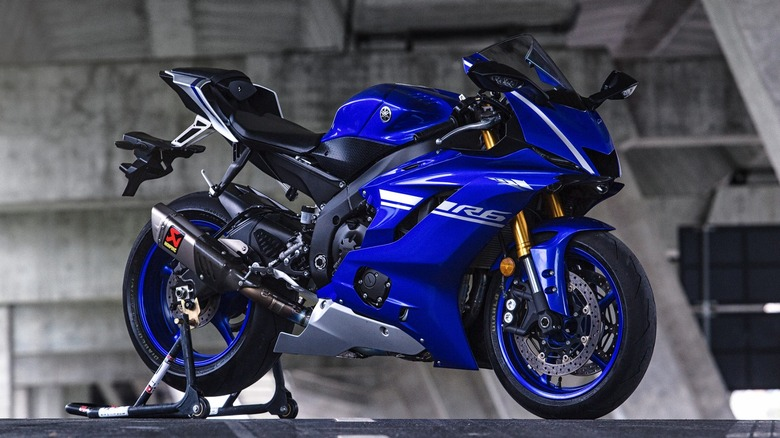
Founded in 1955, Yamaha has a long heritage of innovation, from the YA-1 125cc two-stroke to the YZF-R1 superbike and the Star Motorcycles U.S. cruiser line. Engineering excellence and racing DNA remain hallmarks, but heritage alone hasn’t prevented market share erosion.
Strategic Challenge Ahead
Yamaha must defend share in high-volume ASEAN markets while reinforcing premium positioning in developed regions. Flat global sales in a growing market highlight mounting pressure: can Yamaha leverage its brand and technical expertise to regain momentum, or will it gradually shift toward a niche, performance-focused player?
Yamaha’s story is a reminder that even iconic brands must adapt quickly in a shifting global motorcycle landscape, or risk losing ground to ambitious competitors.










Facebook
Instagram
X (Twitter)
YouTube
LinkedIn
RSS