

Exploring the psychological and emotional reasons why motorcycles become more than transportation, shaping identity, memories, and personal freedom for riders.
Subscribe to our Instagram Channel for instant news & updates!
For many riders, a motorcycle is not just a vehicle. It is not simply a tool for commuting or a weekend hobby. Over time, it becomes something far more personal. Riders often describe their bikes as partners, companions, or even extensions of themselves. This emotional attachment goes beyond practicality and enters the realm of identity, memory, and passion.
Understanding why riders form such strong bonds with their motorcycles reveals something deeper about human psychology and the riding experience itself.
Motorcycles Represent Freedom and Escape
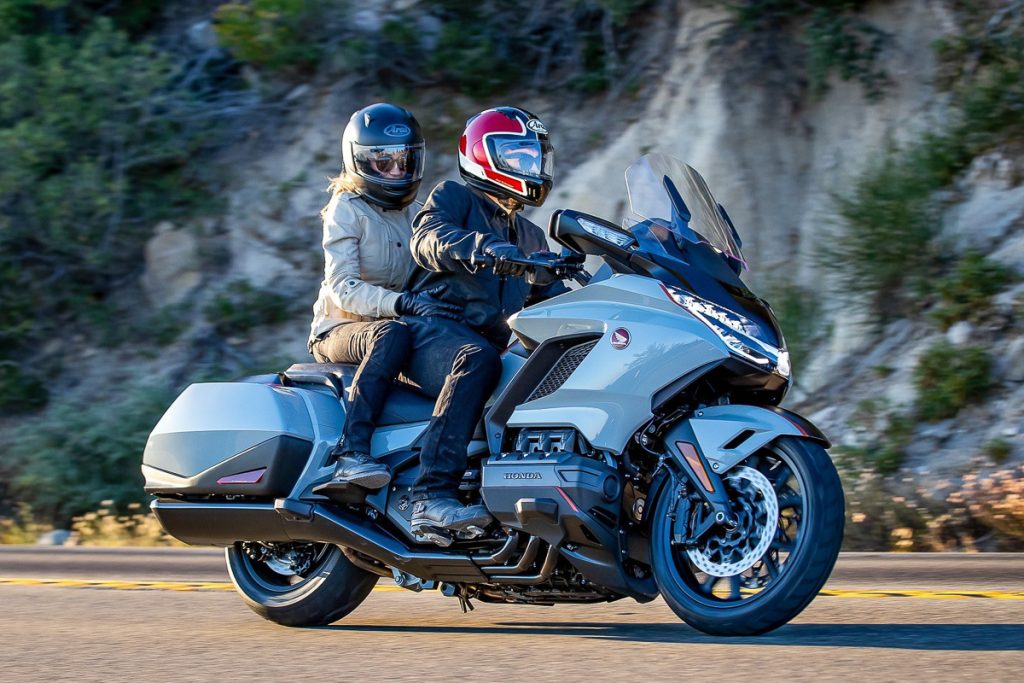
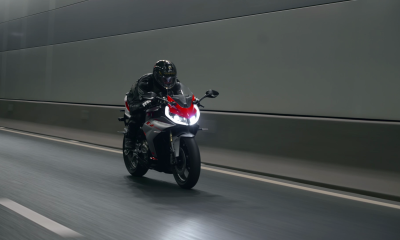
One of the strongest emotional triggers in motorcycling is the sense of freedom. Riding offers a feeling of independence that few other activities can replicate. The open road, the direct exposure to wind and surroundings, and the control over every movement create an experience that feels raw and liberating.
Because of this, the motorcycle becomes associated with personal escape. After stressful workdays or challenging periods in life, many riders turn to their bikes for mental clarity. Over time, the motorcycle becomes symbolically linked to relief, peace, and emotional reset.
Shared Experiences Build Emotional Bonds
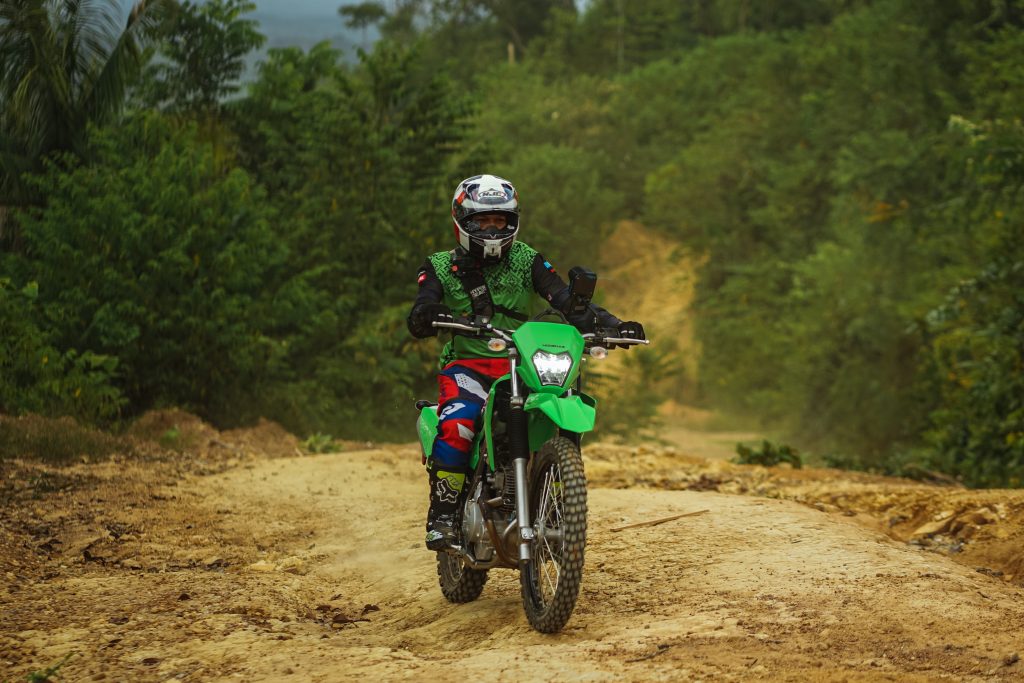
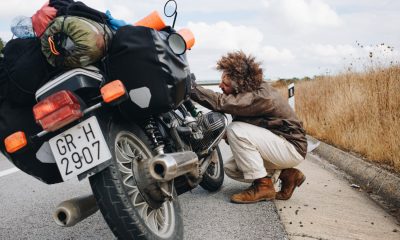
Psychologically, humans attach emotion to shared experiences. A motorcycle carries its rider through milestones, first long-distance trip, first group ride, late-night rides, or even difficult breakdowns. These experiences create stories.
The more memories attached to a machine, the harder it becomes to see it as just an object. Scratches and wear marks may even increase sentimental value because they represent lived moments rather than damage.
Identity and Self-Expression
Motorcycles are also a powerful form of self-expression. The type of bike someone chooses often reflects personality, lifestyle, and values. A touring rider, a commuter, and a performance enthusiast may all identify strongly with their machines for different reasons.
Customisations further deepen attachment. Once a rider modifies handlebars, exhaust systems, paintwork, or accessories, the motorcycle becomes personalised. It no longer feels generic. It feels uniquely theirs.
The Psychological Effect of Control and Mastery
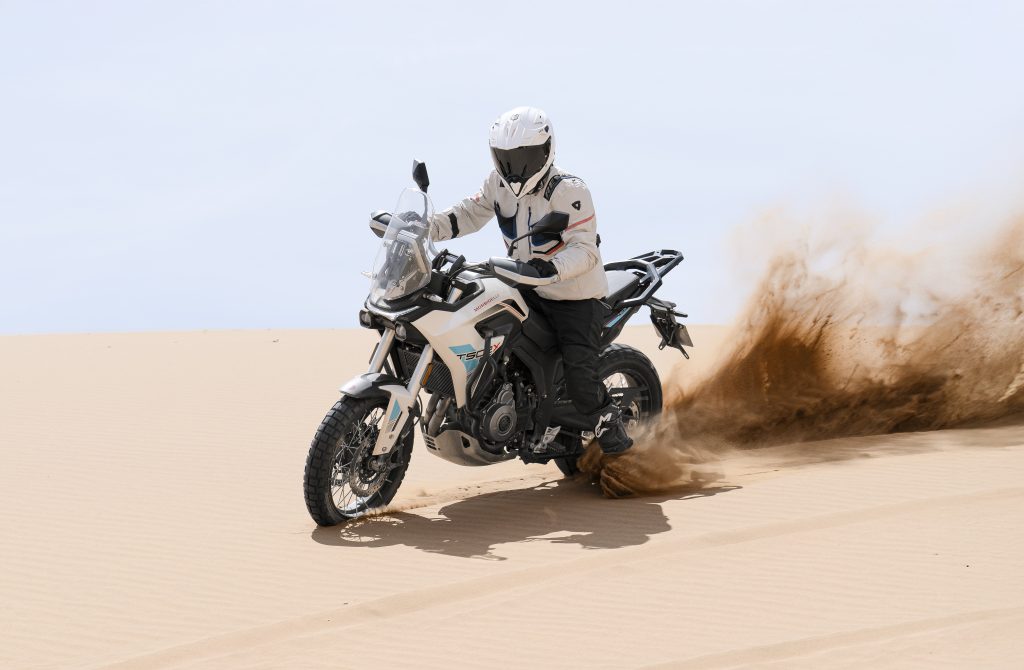
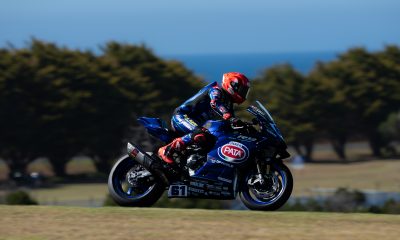
Riding a motorcycle requires skill. Unlike driving a car, motorcycling demands balance, coordination, and awareness. As riders improve over time, they develop a sense of mastery. This mastery builds pride. The motorcycle becomes a symbol of personal growth and competence. Letting go of it can feel like letting go of a chapter of self-development.
Why Some Riders Refuse to Sell Their First Bike
Many riders struggle to sell their first motorcycle, even when upgrading to a bigger or newer model. The first bike represents learning curves, early mistakes, and foundational memories.
Even if the machine is no longer the fastest or most practical option, its emotional value can outweigh its market value. This explains why some riders keep older bikes long after they stop using them regularly.

When Emotional Attachment Becomes a Problem
While emotional attachment is natural, it can sometimes influence poor decisions. Riders may delay necessary upgrades, ignore rising maintenance costs, or avoid selling a bike that no longer suits their needs.
Balancing emotional value with practical considerations is important. Appreciating a motorcycle’s sentimental meaning does not mean ignoring safety or financial realities.
Conclusion
A motorcycle is more than metal, rubber, and fuel. For many riders, it represents freedom, growth, identity, and memories. Emotional attachment forms naturally through experience, challenge, and shared journeys. This deep bond explains why motorcycles hold a unique place in riders’ lives, not just as machines, but as meaningful companions on the road.





Facebook
Instagram
X (Twitter)
YouTube
LinkedIn
RSS