

Why riding through floodwaters can cause serious engine, electrical, and long-term mechanical damage, and what motorcyclists should understand before taking the risk.
Subscribe to our Instagram Channel for instant news & updates!
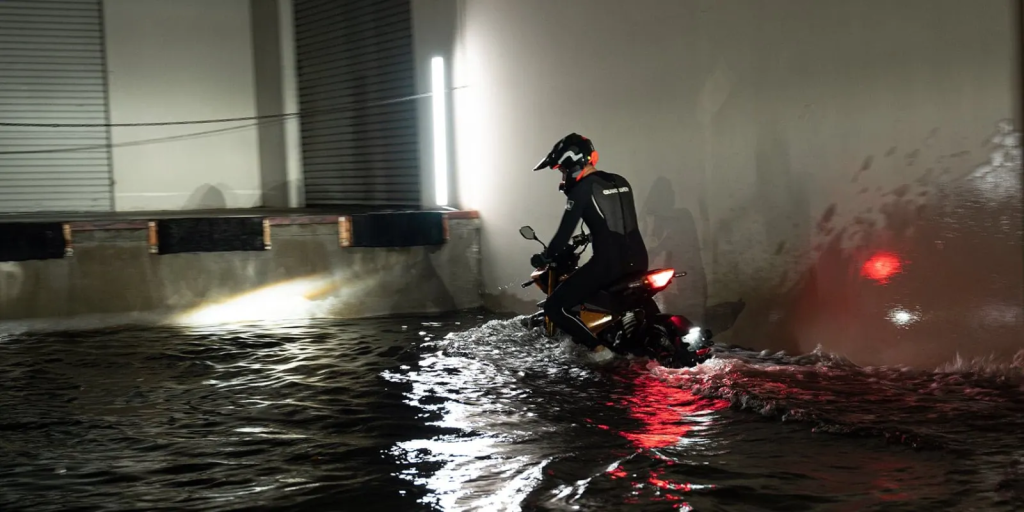
Flooded roads are a common hazard in many regions, especially during heavy rain seasons. For motorcyclists, what may look like shallow standing water can hide serious dangers. Beyond the obvious risk of losing traction, floodwaters can cause extensive mechanical and electrical damage that may not be immediately visible.
Many riders underestimate the long-term impact of water exposure. Even if the motorcycle appears to run normally after passing through a flooded area, hidden damage may develop days or weeks later.
Why Floodwater Is More Dangerous Than It Looks
Unlike clean water, floodwater often contains mud, debris, oil residue, and contaminants. When a motorcycle passes through flooded roads, these particles can enter sensitive components such as the air intake system, bearings, brakes, and electrical connectors.
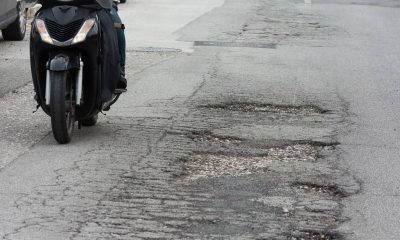
Water depth can also be deceiving. A section of road that appears shallow may hide potholes or uneven surfaces, increasing the risk of losing balance or damaging suspension components.
Engine Damage: The Risk of Hydrolock
One of the most serious risks of riding through deep water is hydrolock. This occurs when water enters the engine’s combustion chamber through the air intake. Unlike air, water cannot be compressed. If enough water enters the engine, it can cause internal components such as connecting rods or pistons to bend or break.
In severe cases, this can result in catastrophic engine failure. Even smaller amounts of water can contaminate engine oil, reducing lubrication and accelerating wear.

Electrical System Vulnerability
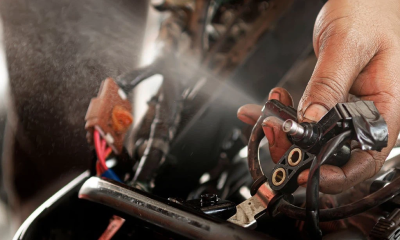
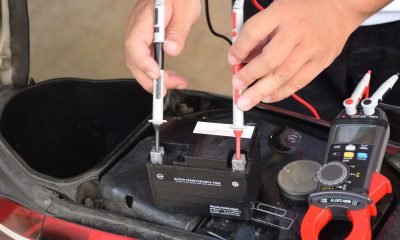
Modern motorcycles rely heavily on electronic systems, including ECUs, sensors, fuel injection systems, and digital dashboards. Floodwater can seep into connectors and wiring harnesses, leading to corrosion and short circuits.
Electrical damage may not appear immediately. Riders might only notice issues later, such as difficulty starting the bike, warning lights on the dashboard, or intermittent power loss. Over time, corrosion can spread, increasing repair costs significantly.
Brake and Bearing Contamination
Water and debris can also affect braking systems and wheel bearings. When water enters brake components, it may reduce braking efficiency temporarily and accelerate rust formation. Bearings exposed to dirty water can lose lubrication, leading to premature wear and vibration during riding. These issues often develop gradually, making them harder to detect until performance noticeably declines.
Long-Term Effects on Suspension and Chain
Flood exposure can wash away grease from suspension linkages and chain components. Without proper lubrication, metal parts begin to wear faster. Rust formation may occur, especially if the motorcycle is not cleaned and dried properly after exposure. Repeated exposure to flooded roads significantly increases long-term maintenance costs.

What Riders Should Do After Riding Through Floodwater
If riding through water is unavoidable, the motorcycle should be inspected as soon as possible. Checking the engine oil for contamination, cleaning and lubricating the chain, drying electrical connections, and ensuring brakes function properly are essential steps.
In more severe cases, a professional inspection may be necessary to prevent hidden damage from becoming a major mechanical failure.
Final Thoughts
Flooded roads pose more than just a traction risk for motorcyclists. Engine damage, electrical corrosion, contaminated bearings, and long-term mechanical wear are real threats that can compromise safety and reliability. While avoiding flooded areas is always the safest choice, understanding the potential damage helps riders make informed decisions and protect their motorcycles from costly repairs.














Facebook
Instagram
X (Twitter)
YouTube
LinkedIn
RSS