

Discover why riding on real streets develops skills you can’t get on a racetrack like anticipation, hazard awareness, decision-making, and smooth control that keep you safer and more confident on every ride.
Subscribe to our Instagram Channel for instant news & updates!
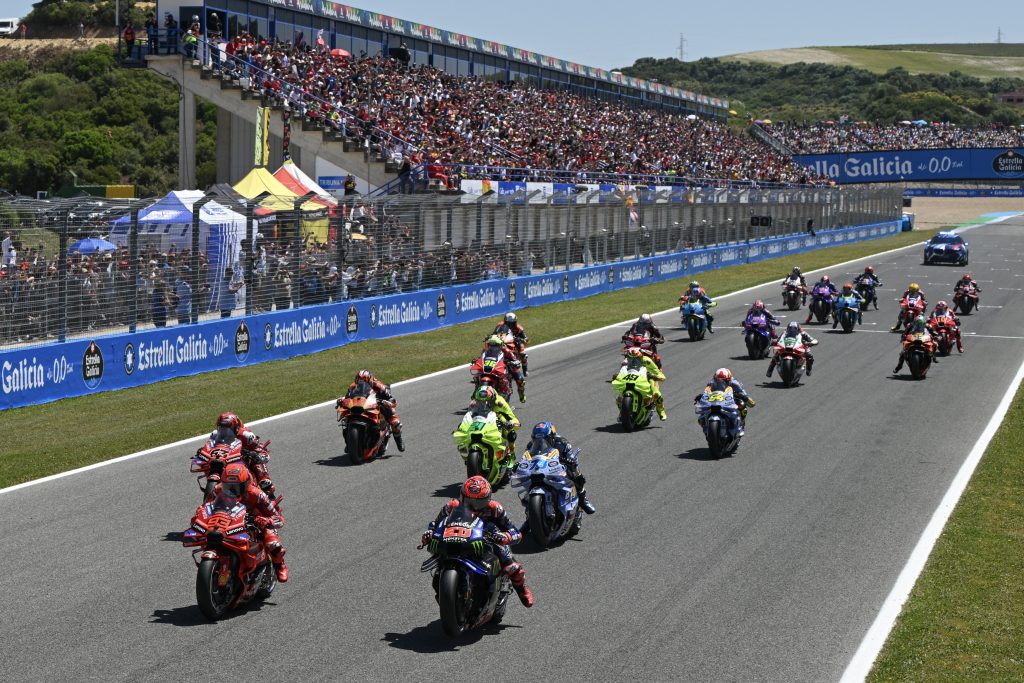
Many riders spend time on tracks, learning racing lines, apexes, and braking points. While track riding is invaluable for improving bike control at speed, it often doesn’t prepare riders for the unpredictability of real streets.
Street riding is a completely different challenge. Corners on public roads teach lessons about anticipation, decision-making, and adaptability, skills that are rarely required on a controlled track.
Corners Are Never Perfect
On a track, corners are predictable. The surface is smooth, angles are consistent, and traffic is nonexistent. Riders can focus solely on hitting apexes and managing throttle precisely.
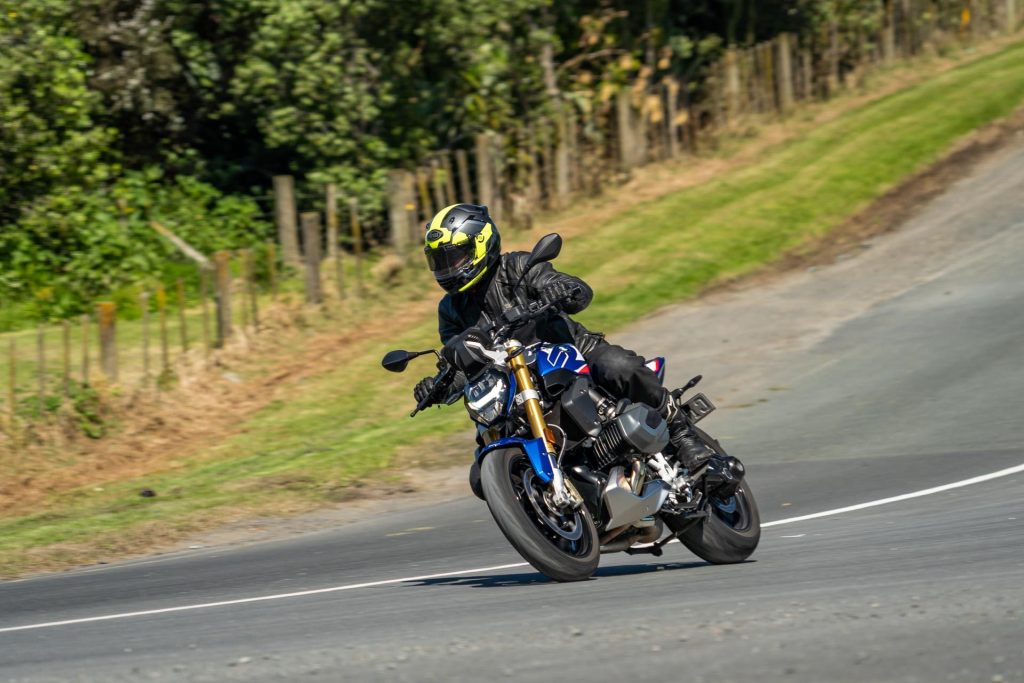
Street corners, on the other hand, are rarely perfect. Gravel, oil spills, potholes, wet patches, and debris can appear anywhere. This forces riders to constantly read the road and adjust their speed, line, and body position which are lessons that tracks rarely teach.
Decision-Making Happens Faster
On public roads, every corner comes with choices: should you be entering a corner faster or slower? Which line is able to provide the best view for the traffic ahead? When is it safe to accelerate when exiting a turn?
These split-second decisions teach riders to prioritize safety and control over pure speed. On a track, these decisions are simplified by the controlled environment, but on the street, they can make the difference between a safe ride and a crash.
Visibility & Anticipation Are Key
Street corners require constant scanning. Obstacles, other vehicles, and changing road conditions appear unexpectedly. Riders must anticipate potential hazards and adjust their trajectory accordingly.
This builds skills in anticipation and awareness that cannot be replicated on a track. Learning to read corners on streets makes riders more confident, adaptable, and prepared for the unknown.
Smoothness Matters More Than Aggression
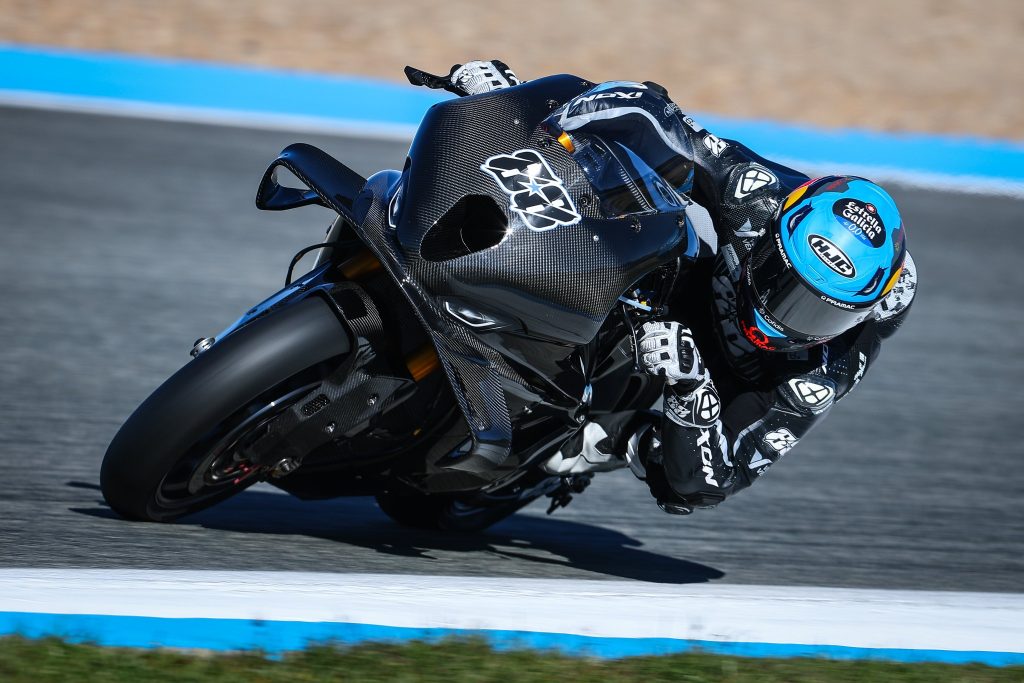
On a track, aggressive cornering may be necessary to shave off lap times. On the street, smoothness is king. Smooth inputs in braking, throttle, and body position maintain stability and reduce the risk of oversteering or losing traction. Street corners teach riders how to manage risk and control, rather than just chasing speed.
Lessons in Patience and Risk Management
Perhaps the most important lesson street corners teach is patience. Unlike a track, where riders can push limits with few consequences, streets are unpredictable. Managing corners carefully builds good habits such as respecting speed limits, anticipating others, and controlling your bike without relying on adrenaline.
These lessons transfer back to the track too, helping riders become safer, smarter, and more disciplined overall.
Conclusion
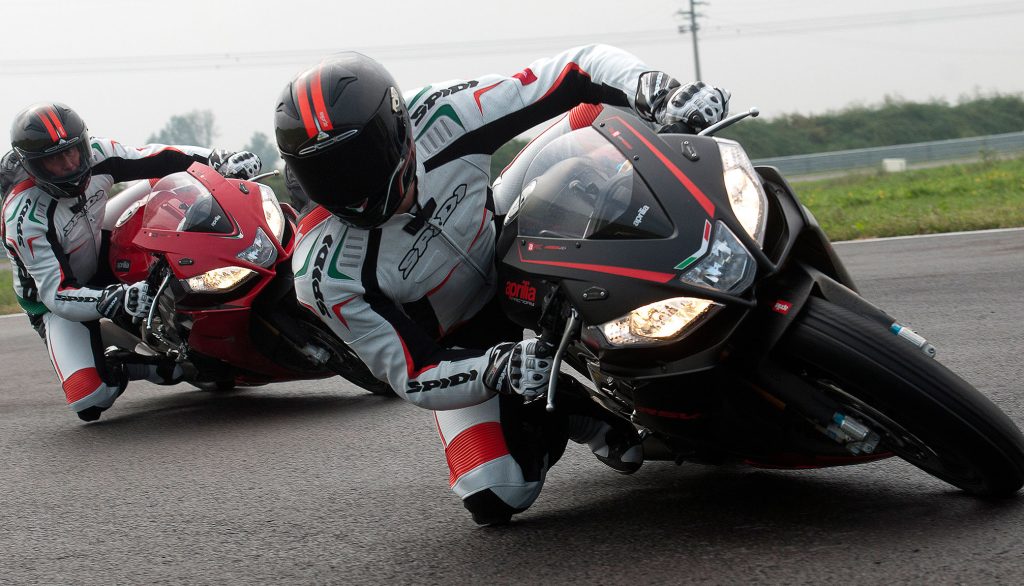
Street corners teach lessons that tracks cannot: unpredictability, hazard anticipation, decision-making, and smooth control. While track riding develops precision and speed, streets develop judgment and adaptability.
The best riders combine both worlds: the control learned on the track with the awareness and patience honed on real streets. Mastering street corners doesn’t just make you safer, it makes you a smarter, more skilled rider overall.


















Facebook
Instagram
X (Twitter)
YouTube
LinkedIn
RSS