

Understanding why numbers on a spec sheet don’t always reflect real-world riding feel

Subscribe to our Instagram Channel for instant news & updates!
At first glance, motorcycle spec sheets seem straightforward. Engine capacity, horsepower, torque, weight, wheelbase, everything looks measurable and comparable. Yet many riders have experienced this strange reality of two motorcycles with almost identical specifications feel completely different once you ride them.
One might feel lively and confidence-inspiring, while the other feels awkward, heavy, or even tiring, despite what the numbers suggest. This gap between specifications and real-world riding experience is something spec sheets simply cannot explain on their own. So why does this happen?
Specs Tell You What a Bike Has, Not How It Feels
Specifications are designed to describe components, not sensations. Horsepower figures, torque curves, and curb weight are useful, but they don’t capture how a motorcycle communicates with the rider.
A bike can look perfect on paper but still feel wrong once you sit on it. That’s because the riding feel is created by how all those components work together, not by any single number. The moment you roll off the clutch and start moving, factors beyond specs begin to matter more than the specs themselves.
Chassis Geometry Changes Everything
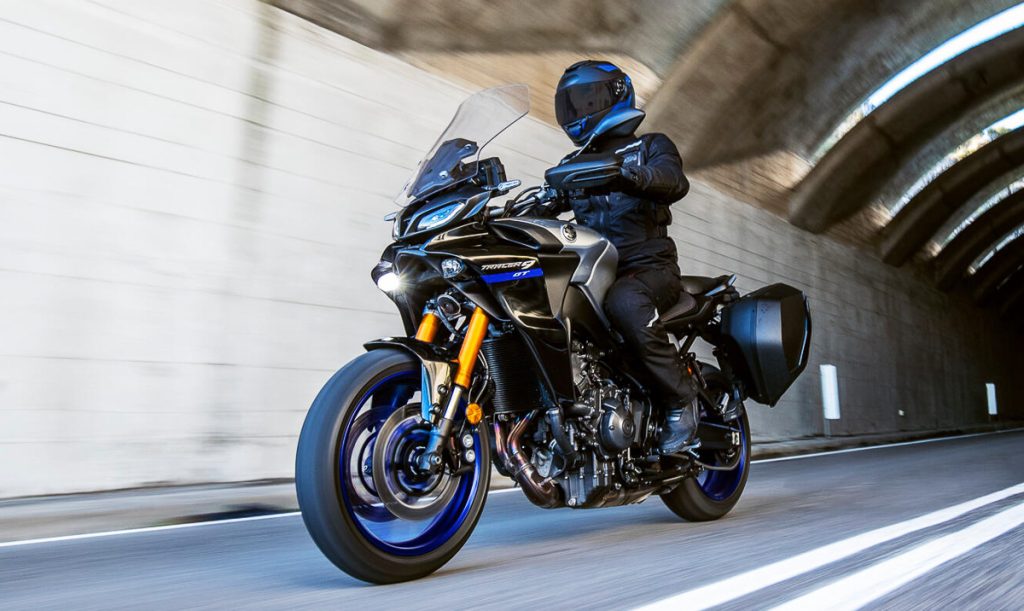
One of the biggest reasons two similar motorcycles ride differently is frame geometry. Small differences in rake, trail, and wheelbase can dramatically change how a bike behaves on the road.
A motorcycle with sharper steering geometry will feel quicker and more responsive, but may also feel nervous at higher speeds. Another bike with more relaxed geometry may feel stable and planted, yet slower to turn. On paper, these differences may look insignificant, but on the road, they define how confident or tense a rider feels. This is why two bikes with the same weight and engine output can feel worlds apart when cornering.
Weight Distribution Matters More Than Weight Itself
Many riders focus on total weight, but where that weight is placed is often more important. A motorcycle with mass carried low and centrally will feel lighter and easier to manage than a bike with similar weight carried higher or further forward.
Fuel tank shape, engine placement, exhaust routing, and even battery location influence how a bike feels during slow-speed manoeuvres, braking, and quick direction changes. This is why some motorcycles feel effortless in traffic while others feel top-heavy and awkward, even though their curb weight is similar.
Engine Character Is More Than Horsepower
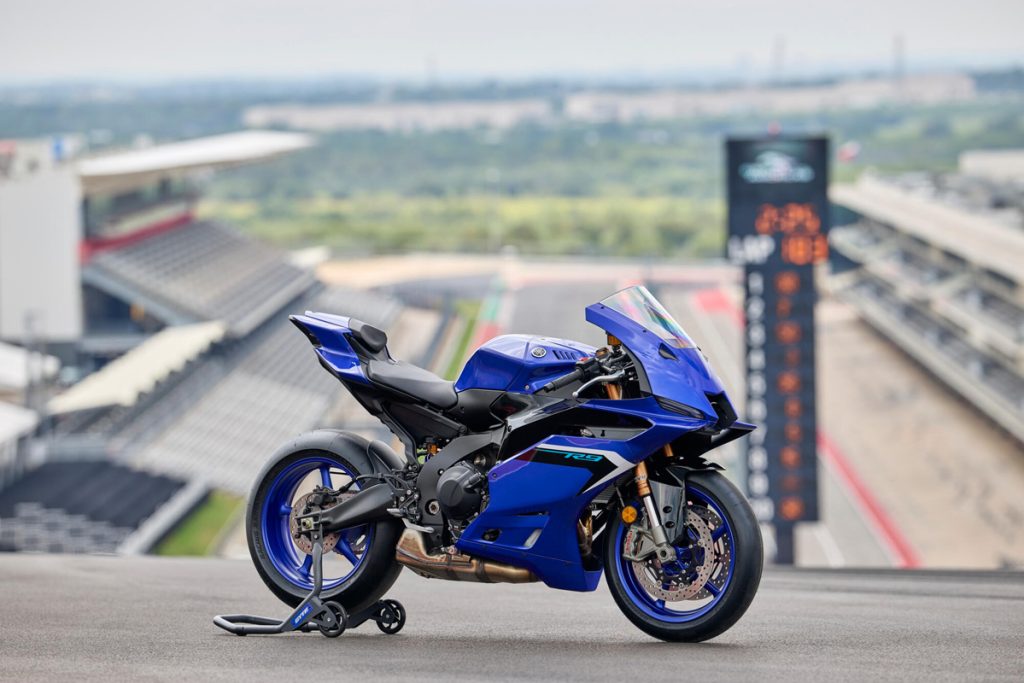
Two engines with similar output figures can behave very differently depending on how they deliver power. Throttle response, torque spread, gearing, and engine braking all affect how a bike feels when you ride it.
One motorcycle may deliver power smoothly and predictably, making it easy to ride daily. Another may feel aggressive, jumpy, or demanding, even with the same horsepower. The way an engine responds to small throttle inputs often matters more than peak performance numbers, especially in real-world riding.
Suspension Setup Shapes Rider Confidence
Suspension is another major factor rarely reflected properly on spec sheets. Spring rates, damping quality, and factory tuning vary widely between models.
A well-sorted suspension absorbs road imperfections and keeps the tyres planted, making the bike feel stable and comfortable. Poorly tuned suspension can make a bike feel harsh, vague, or tiring, even if the hardware itself is technically “good”. This is why some motorcycles feel confident and composed on rough roads, while others feel unsettled despite similar suspension specifications.

Ergonomics Affect Control and Comfort
Riding position plays a huge role in how a motorcycle feels. Handlebar height, footpeg placement, seat shape, and reach to the controls all influence rider comfort and control.
A bike that suits your body proportions will feel natural and intuitive, allowing you to ride longer with less fatigue. Another bike with similar specs but different ergonomics may feel cramped, stretched, or uncomfortable, which directly affects how confident and relaxed you feel while riding.
Tyres, Electronics, and Small Details Add Up
Even smaller details can change riding feel significantly. Tyre choice alone can transform how a motorcycle handles and responds. Electronics such as traction control, throttle mapping, and ride modes subtly influence how power is delivered and how secure a bike feels.
These elements often don’t stand out individually, but together they shape the overall riding experience in ways that spec sheets rarely communicate.

Why Test Rides Matter More Than Numbers
This is ultimately why test rides remain so important. Specifications can help narrow down options, but they cannot predict how a motorcycle will feel to you. Riding style, experience level, body type, and expectations all play a role in how a bike is perceived. Two motorcycles may be equals on paper, but only one may truly click with you once you ride it.
Conclusion: Riding Feel Is the Sum of Many Parts
When two motorcycles with similar specs ride completely differently, it isn’t because the numbers are lying. It’s because riding feel is shaped by a complex interaction of geometry, weight distribution, engine character, suspension tuning, ergonomics, and countless small details. Specs tell you what a motorcycle is. Riding tells you what it feels like. And in the end, that feeling is what matters most.


















Facebook
Instagram
X (Twitter)
YouTube
LinkedIn
RSS