

How automatic motorcycles are changing the way riders experience control and connection
Subscribe to our Instagram Channel for instant news & updates!
For decades, the manual transmission has been a core part of motorcycling. Pulling the clutch, timing the gear change, and feeling the mechanical connection between rider and machine is something many enthusiasts consider sacred. However, as technology evolves and more motorcycles adopt automatic, semi-automatic, and clutchless systems, an important question starts to surface: is the manual transmission slowly dying?
The answer is not as simple as yes or no. The motorcycle world is changing, but rider preference, riding culture, and practicality still play a huge role in keeping manual gearboxes alive.
Why Manual Transmissions Became the Standard
Manual transmissions became dominant in motorcycles because they offered simplicity, reliability, and direct control. Early motorcycles relied heavily on rider input, and manual gearboxes allowed riders to manage power delivery based on road conditions, engine characteristics, and riding style.
Over time, this mechanical involvement became part of the riding identity. For many riders, shifting gears is not a task but a skill. It creates engagement, rhythm, and a sense of connection that automatic systems often struggle to replicate emotionally.
The Rise of Automatic and Semi-Automatic Systems
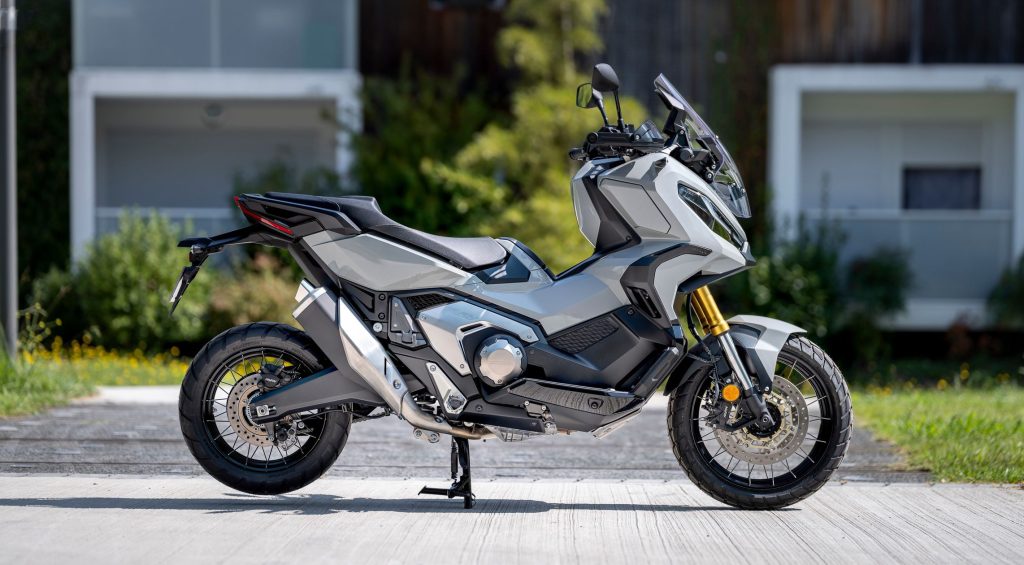
In recent years, manufacturers have started pushing alternative transmission systems more aggressively. Technologies like dual-clutch transmissions (DCT), automated manual gearboxes, and CVT systems are becoming more common, especially on commuter bikes, scooters, and adventure motorcycles.
These systems aim to make riding easier and more accessible. In heavy traffic, automatic transmissions reduce fatigue. For new riders, they remove the learning curve associated with clutch control and stalling. In long-distance touring, smooth gear changes improve comfort and consistency.
From a performance standpoint, modern automatic systems are also faster and more precise than human-operated manuals, especially in high-performance riding scenarios.
Why Manufacturers Are Pushing Away From Manuals
One major reason manufacturers are exploring alternatives is market expansion. Automatic and semi-automatic motorcycles appeal to a wider audience, including commuters, older riders, and people transitioning from cars.
Another factor is emissions and efficiency. Automated systems can shift gears at optimal RPMs more consistently than humans, helping manufacturers meet stricter emissions and fuel efficiency regulations.
There is also a cost and development angle. As electronics become more integrated into motorcycles, pairing them with automated transmissions makes sense from an engineering perspective.
Why Manual Transmissions Still Refuse to Disappear
Despite all these advancements, manual transmissions are far from obsolete. Many riders still prefer the control and feedback that only a clutch and gear lever can provide. Manual gearboxes allow riders to choose exactly how the engine behaves, especially during aggressive riding or corner entry.
There is also the emotional factor. Riding a manual motorcycle feels more involved and rewarding for enthusiasts. It turns riding into an active experience rather than a passive one.
Additionally, manual motorcycles are often lighter, cheaper, and easier to maintain compared to their automatic counterparts. For riders who value simplicity and mechanical reliability, manuals remain the logical choice.
Manual vs Automatic: It Depends on the Rider
Whether manual transmissions are “dying” largely depends on who you ask. For daily commuters dealing with traffic, automatic systems make sense. For touring riders seeking comfort, semi-automatic transmissions are appealing. But for purists, sport riders, and those who ride for passion rather than convenience, manuals remain irreplaceable.
Instead of disappearing, manual transmissions are becoming more specialised. They are shifting from being the default option to being a deliberate choice for riders who want a certain kind of experience.

The Future of Manual Motorcycles
The motorcycle industry is clearly moving toward more automation, but that does not mean manual transmissions will vanish. Rather, they will likely coexist with automated systems, serving different types of riders and riding styles.
As long as riders value skill, control, and mechanical connection, there will always be a place for manual motorcycles. They may no longer dominate every segment, but they are far from extinct.
Conclusion: Dying or Evolving?
Manual transmissions are not dying, they are evolving into a niche that prioritises engagement over convenience. While technology continues to make riding easier and more accessible, the desire for control and involvement remains strong among many riders.
In the end, the survival of manual transmissions depends less on technology and more on the riders themselves. As long as people ride motorcycles for passion, not just transportation, the manual gearbox will continue to live on.














Facebook
Instagram
X (Twitter)
YouTube
LinkedIn
RSS