

A complete guide for new riders who want to learn how to use the clutch correctly, from the basics to being able to ride more confidently on the road.
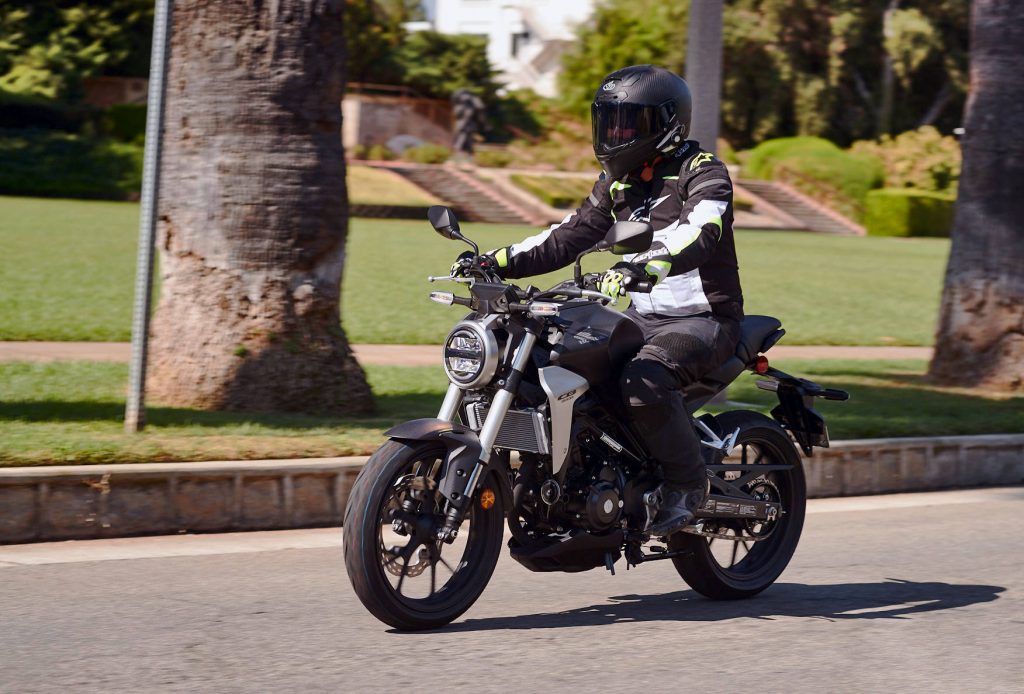
Subscribe to our Instagram Channel for instant news & updates!
Learning how to ride a motorcycle with a clutch can seem difficult at first, especially for first-time riders. Many people are afraid that the motorcycle will suddenly die or jerk while moving.
Actually, it is something that is normal. Almost all experienced riders have gone through the same phase. The main key to mastering it is understanding the basics of the clutch and practicing consistently in a safe area.
Get to Know the Basic Controls
Before you start learning to ride, it’s important to know and understand the basic controls of a motorcycle with a clutch. The clutch lever on your left hand is used to control the power connection from the engine to the rear tire. The gear lever on your left foot is used to change gears according to the speed you’re travelling at.
The right hand controls the throttle, while both the front and rear brakes are used when braking. Once all these basics are understood, the learning process will be a whole lot easier and less confusing.
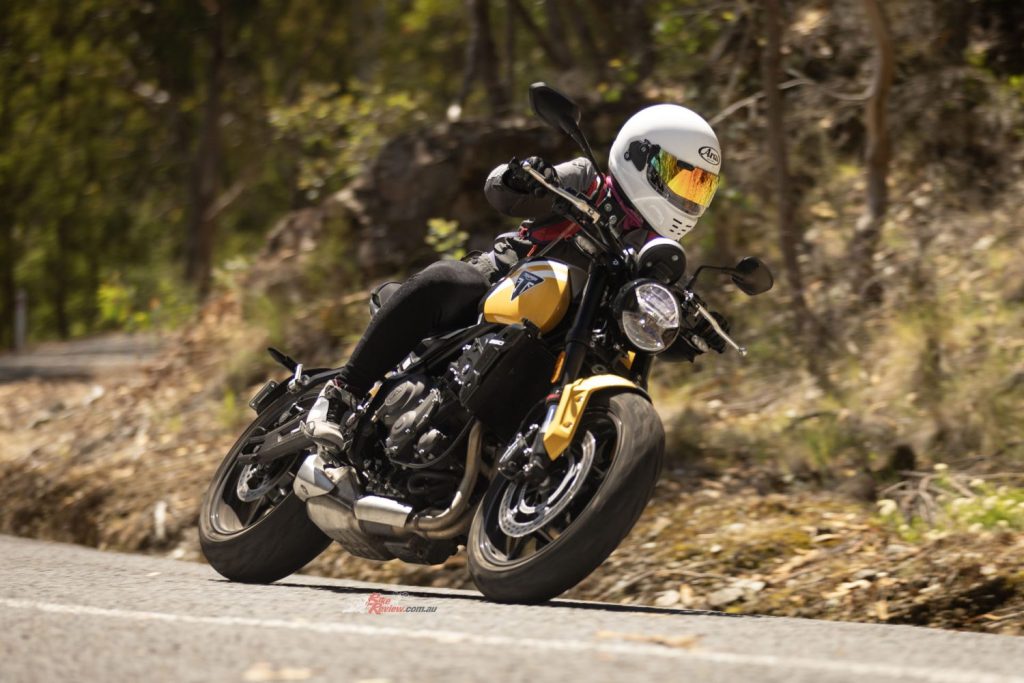
Step 1: Start the Motorcycle and Make sure it’s in Neutral
The first step is to make sure the motorcycle is in neutral before starting it. Neutral gear is usually indicated by an “N” light on the meter. This is important so that the motorcycle does not suddenly jump forward when being started.
After starting the engine, let the motorcycle idle for a while to get used to the engine’s sound and vibration. Don’t be in a rush to start moving. This helps new riders to calm down before starting to move.
Step 2: Pull the Clutch and Enter 1st Gear
When you are ready to move, pull the clutch in fully with your left hand. Then push the gear lever into 1st gear with your left foot. Usually you need to push the gear lever down to enter 1st gear.
At this stage, do not release the clutch yet. Make sure your hand and foot controls are stable beforehand so that the motor remains under control before starting to move.
Step 3: Understand the “Biting Point” of the Clutch
The biting point is the point where the clutch has started to engage and send power to the rear tire, but not enough to make the motorcycle fully move. At this point, you will feel the motorcycle start to inch forward a little even though there is not much throttle that is being applied.
This is the most important part of learning the clutch. Riders need to learn to feel this biting point slowly so that the motorcycle does not jerk or the engine suddenly stops.
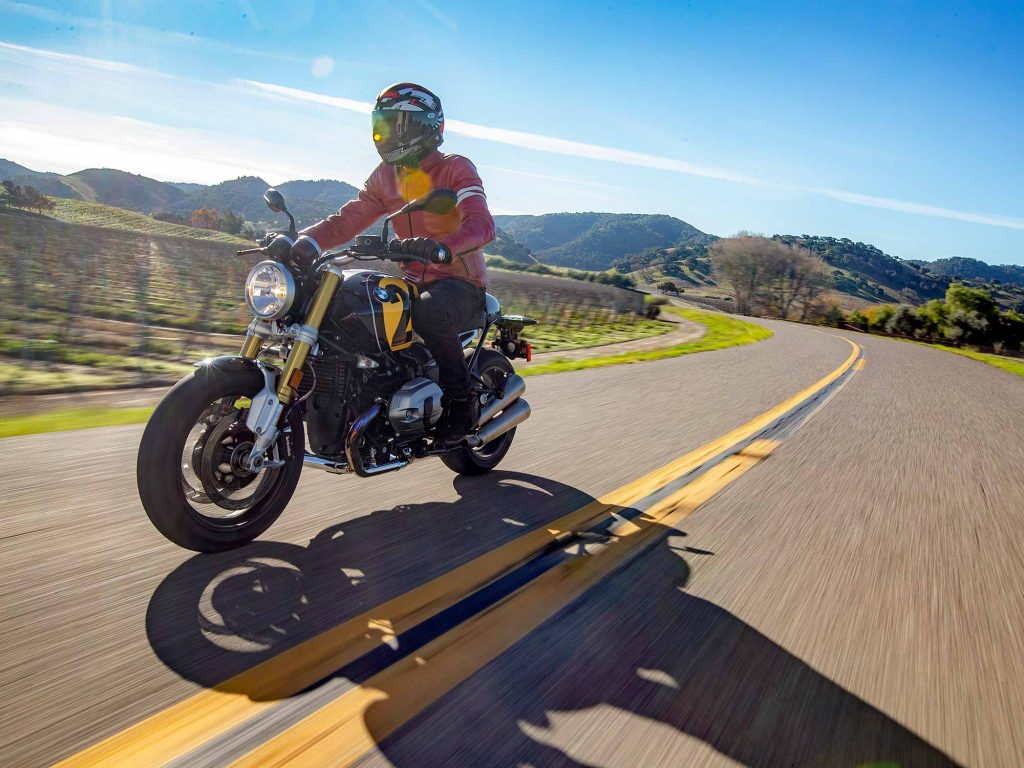
Step 4: Slowly Release the Clutch While Applying Throttle
After you have found the clutch biting point, start releasing the clutch slowly while opening the throttle little by little. The balance between the clutch and the throttle is very important because it ensures that the motorcycle can start moving smoothly.
If too much throttle is being applied or the clutch is released too quickly, the bike can jump forward, the engine will stall, or worst case scenario, the bike will fall. So the main focus is on smooth and consistent control.
Step 5: Motorcycle Starts Moving and Balance Control
When the bike starts moving, don’t panic, don’t get flustered. This could lead to potentially making the bike unstable. Maintain a stable body position and look forward to where you want to go, not down.
At this point, the main focus is on controlling balance and riding at low speeds first. Over time, your body will start to adapt to the way the motorcycle clutch moves.
Step 6: Changing Gears (Upshift and Downshift)
Once the speed has started to increased a bit, you can start learning to change gears. The basic method to upshifting is to close the throttle, pull in the clutch, pull the gear lever up with your left foot, then slowly release the clutch while controlling the throttle. The same method applies to downshifting, but instead of pulling on the gear lever, downshifting requires to push down on the gear lever.
At the beginner level, there is no need to focus too much on getting the timing of changing gears perfect. What is important is understanding the basic sequence of hand and foot movements.
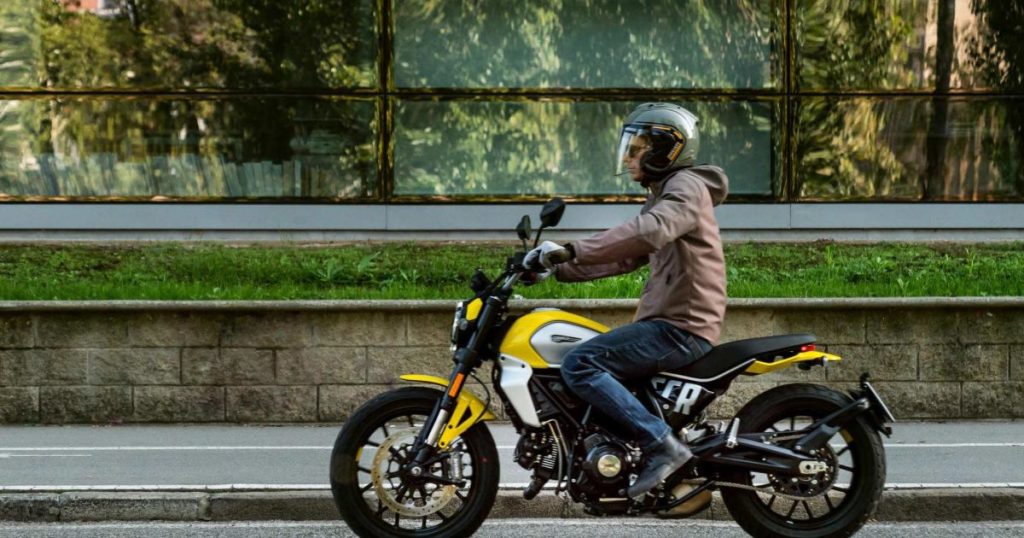
Tips from Experienced Riders
Many new riders will quickly panic when the bike stalls or jerks. Actually, that’s a normal learning process. Don’t push yourself too hard to get the hang of it quickly. Everyone has their own pace when learning something.
Practicing in an open area is very helpful in building confidence. Also, avoid focusing too much on the gears or controls, instead focus on the feel and balance of the bike. The more you practice, the faster your body will adapt to the clutch movement.
Common Beginner Mistakes
Some of the most common mistakes are releasing the clutch too quickly without control, or opening the throttle too much. This causes the motorcycle to jerk or lose control.
Apart from that, many people are also too afraid of making mistakes that their bodies become stiff while riding. In fact, confidence will not come immediately, it will come naturally with consistent practice.
Conclusion
Learning to ride a motorcycle with a clutch takes a lot of time and patience. No rider becomes a pro in a day, it all comes down to practice and experience.
The most important thing is to understand the basics of riding a motorcycle with a clutch, stay calm, and keep practicing consistently. This way, you will feel more confident and comfortable riding on the road.















Facebook
Instagram
X (Twitter)
YouTube
LinkedIn
RSS