

Thailand Post accelerates its move to electric motorcycles and trucks to cut fuel costs and modernise last-mile delivery despite ongoing infrastructure challenges.
Subscribe to our Instagram Channel for instant news & updates!
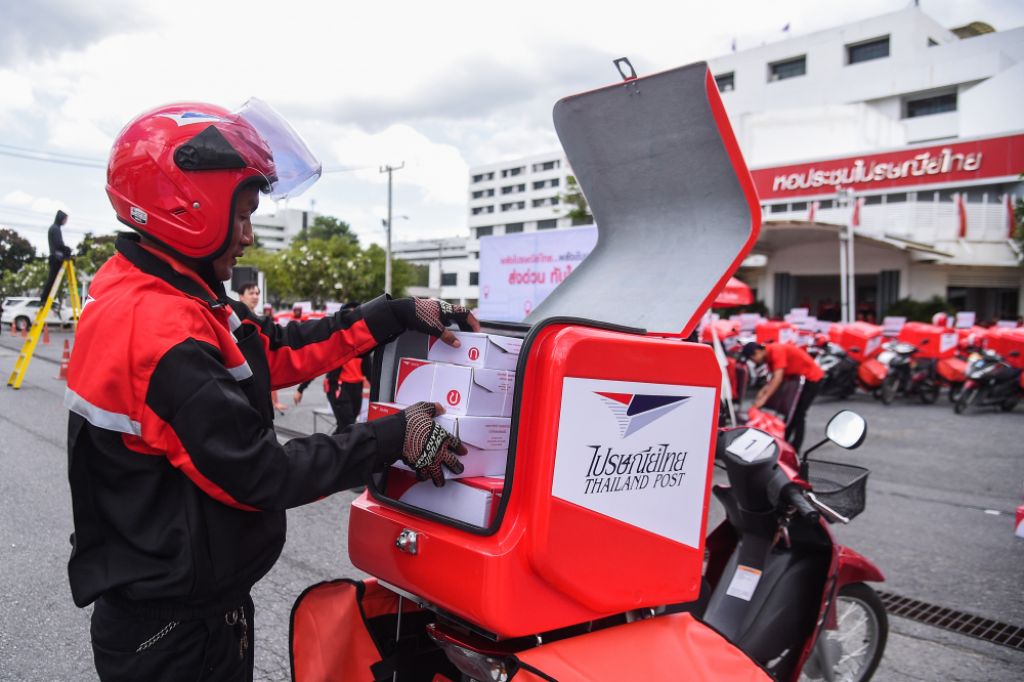
Thailand Post is making a decisive shift toward greener logistics, announcing plans to replace its fuel-powered last-mile delivery vehicles with electric alternatives.
The move comes as rising fuel prices continue to strain operations. According to Thailand Post, fuel currently accounts for about a third of its delivery costs, making electrification not just an environmental decision, but a financial one.
Cutting fuel, boosting efficiency
Electric vehicles (EVs) are not entirely new to Thailand Post. About 10% of its delivery pickup trucks are already electric, along with around 100 electric motorcycles in its fleet.
But that’s just the starting point.
With the ongoing global energy crisis pushing fuel prices higher, the organisation is now accelerating its transition, aiming to scale up EV adoption across its entire last-mile network.
The idea is simple: reduce reliance on petrol, stabilise long-term costs, and modernise the delivery fleet at the same time.
A transition with real hurdles
Despite the clear benefits, the shift won’t be instant.
Thailand Post currently operates around 25,000 motorcycles, meaning its existing electric two-wheelers make up only a small fraction. Expanding that number will take time, investment, and infrastructure.
The challenge is even greater for larger vehicles. Electric truck options in Thailand are still limited, making a full transition for delivery trucks more complicated.
Changing how riders are supported
The shift to EVs will also change how delivery riders are compensated.
Instead of receiving a monthly fuel allowance, employees will be offered leased electric motorcycles. This reflects a broader operational shift, from fuel-based expenses to asset-based support.
Holding the line on costs
Despite rising fuel prices, Thailand Post says it has no plans to increase delivery fees. For now, the organisation will absorb the added costs while working with partners to invest in EV expansion.
A bigger picture
What’s happening at Thailand Post reflects a wider trend across logistics: electrification is no longer optional, it’s becoming necessary.
Rising fuel costs, environmental pressures, and evolving technology are all pushing companies in the same direction.
For Thailand Post, the transition may come with challenges, but it also marks a clear step toward a more sustainable and potentially more cost-stable future for delivery services.











Facebook
Instagram
X (Twitter)
YouTube
LinkedIn
RSS