

The Prime Minister says the majority of users are unaffected as the government adjusts subsidy measures and tightens diesel controls in East Malaysia.
Subscribe to our Instagram Channel for instant news & updates!
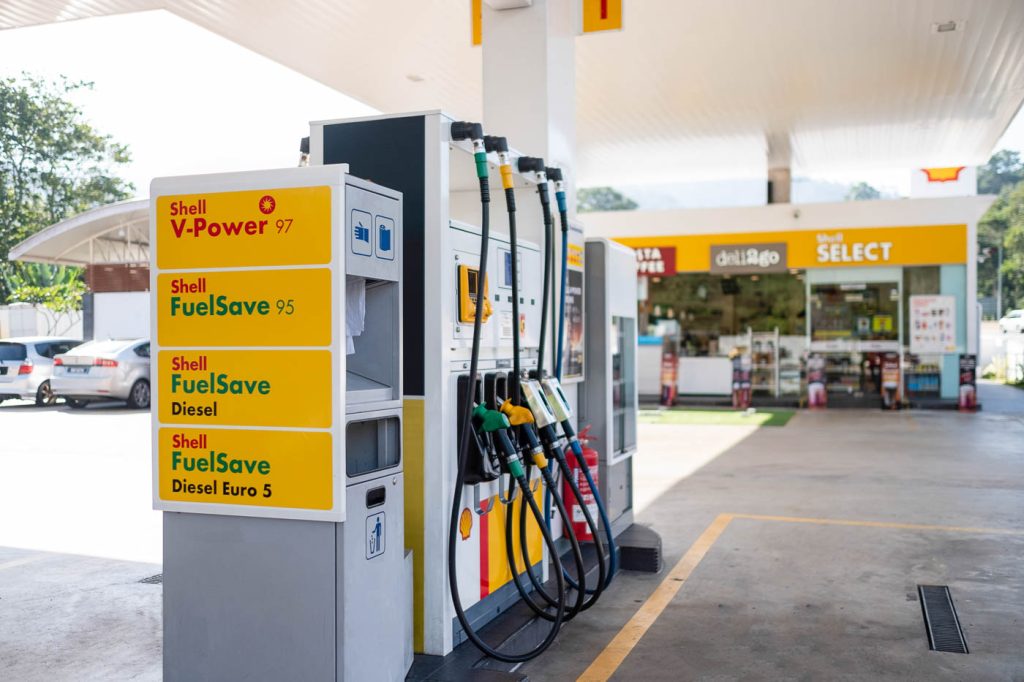
Prime Minister Anwar Ibrahim has announced that the monthly quota for subsidised RON95 petrol under the BUDI MADANI programme will be temporarily reduced from 300 litres to 200 litres, effective April 1, 2026.
The subsidised price remains unchanged at RM1.99 per litre, with the adjustment aimed at managing subsidy costs while ensuring continued support for the majority of users.
Most Users Not Affected
According to Anwar, around 90% of RON95 users consume less than 200 litres per month, meaning the revised quota is not expected to impact most motorists.
The government also confirmed that eligible e-hailing drivers will continue to benefit from a higher monthly quota of 800 litres, maintaining support for those relying on fuel for income.
Diesel Measures in East Malaysia
For Sabah and Sarawak, the retail price of diesel remains at RM2.15 per litre. However, new temporary controls will be introduced to curb fuel smuggling and subsidy leakages.
Under the revised measures:
- Private and light commercial vehicles: 50 litres per purchase
- Public transport and goods vehicles (≤3 tonnes): 100 litres per purchase
- Vehicles above 3 tonnes: 150 litres per purchase
The government added that enforcement efforts will be strengthened to ensure compliance.
Regional Price Differences Highlight Challenges
Fuel price differences across neighbouring countries continue to pose challenges. In Indonesia’s Kalimantan region, diesel is priced at around RM3.55 per litre, while subsidised biodiesel is significantly cheaper.
In Brunei, diesel prices are as low as RM0.97 per litre, whereas in the Philippines, diesel can reach up to RM8.37 per litre. Meanwhile, fuel prices in Thailand have also risen following the removal of price caps.
Balancing Subsidy and Sustainability
The adjustment to the RON95 quota reflects the government’s effort to balance fiscal sustainability with continued public support, especially amid rising global fuel prices.
Despite the reduction, authorities emphasise that fuel supply remains stable and sufficient, with targeted measures in place to ensure subsidies continue to benefit those who need them most.

















Facebook
Instagram
X (Twitter)
YouTube
LinkedIn
RSS