

How top riders balance speed, aggression, and strategy, knowing that sometimes pushing too hard could end a race, or win a championship.
Subscribe to our Instagram Channel for instant news & updates!
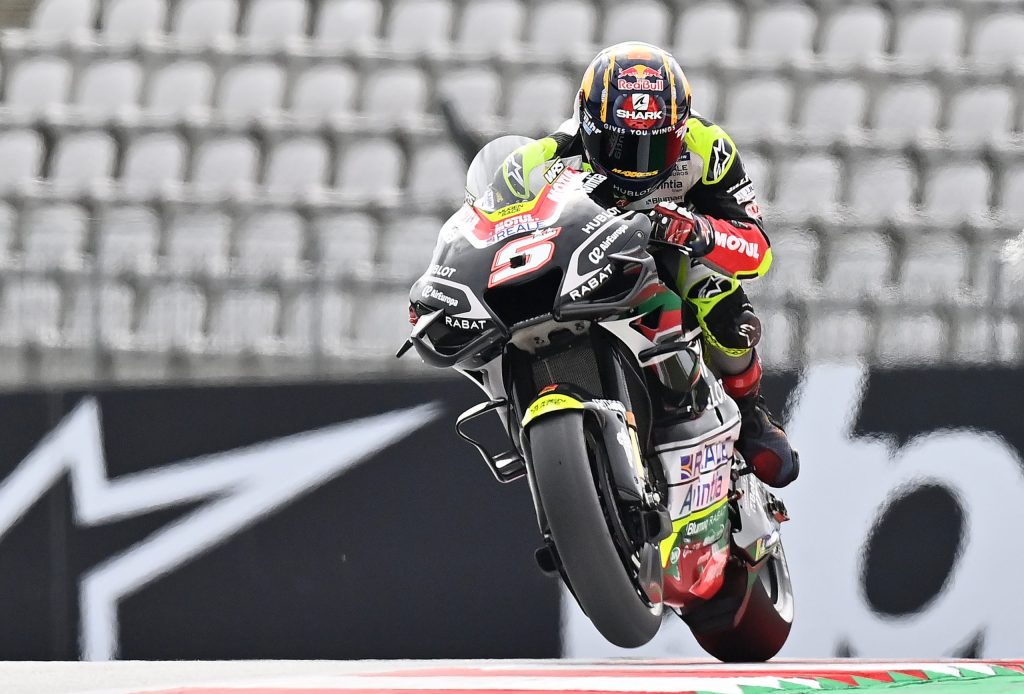
MotoGP is not just about speed, it’s about split-second decisions. Every turn, braking point, and overtaking maneuver carries a risk. Riders constantly weigh the potential reward of gaining positions against the danger of crashing. Understanding this delicate balance is what separates the champions from the mid-pack, and it’s a key reason why MotoGP racing is as much mental as it is physical.
The Fine Line Between Bravery and Recklessness
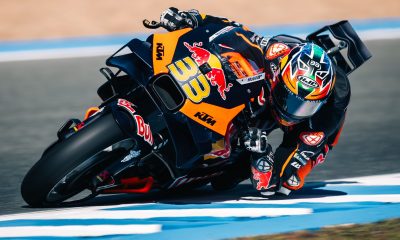
Every rider knows that pushing beyond the limits can result in spectacular gains, or catastrophic crashes. Experienced MotoGP riders calculate their approach based on track conditions, tyre wear, fuel load, and competitor positions. A well-timed move can gain several positions in a lap, but a small misjudgment can end the race instantly. The risk is never random. Top riders and teams analyze data to determine when it’s worth pushing the bike to its absolute limits.
Factors That Influence Risk Decisions
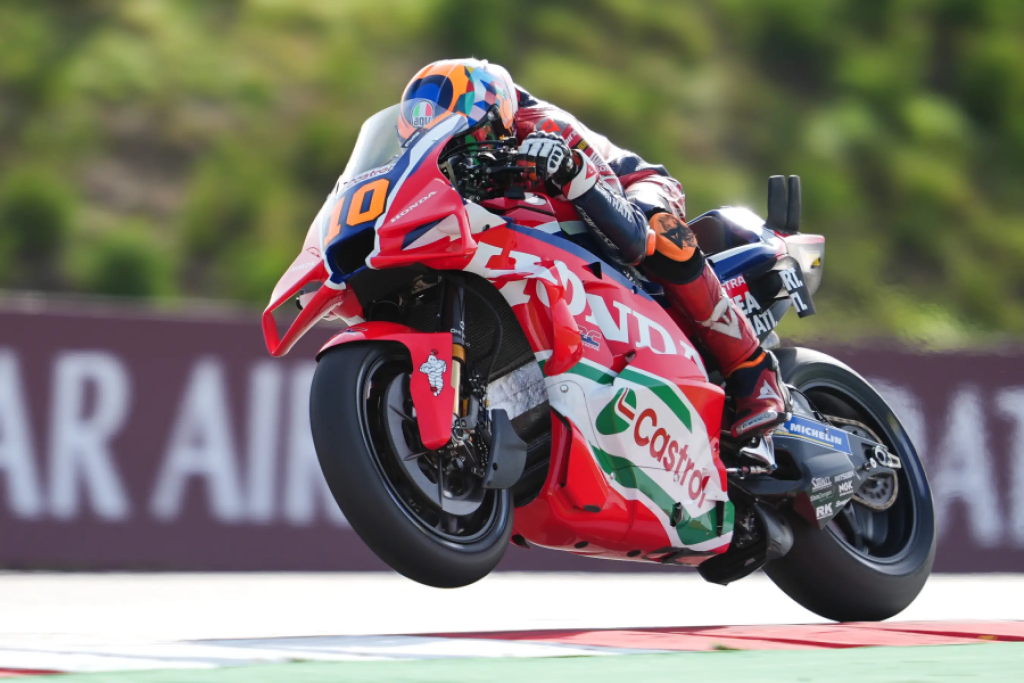
Several factors play a role in deciding whether to take a calculated risk. Rider confidence, experience on the specific track, current championship standings, and the condition of tyres are all carefully considered. For example, a rider trailing in the championship may take higher risks to catch up, while a rider leading may choose a more conservative approach to secure points. Track-specific challenges, such as slippery corners or unpredictable surfaces, further complicate these decisions.
When Crashes Are Calculated
Interestingly, not all crashes are purely accidents. Sometimes riders deliberately ride at the edge, knowing the chances of losing grip are high, but the potential reward is significant. This calculated risk is informed by years of experience and countless practice sessions. Riders constantly adjust their braking points, cornering lines, and throttle control to push boundaries safely. Even when a crash happens, it is often the result of pushing limits for maximum advantage rather than reckless riding.

The Role of Data and Team Strategy
Modern MotoGP teams provide riders with precise telemetry data, giving insights into speed, lean angle, braking efficiency, and tyre wear. Riders use this information to make split-second risk assessments during the race. Teams also advise on when to attack, when to conserve tyres, and when to avoid unnecessary risks. In many cases, the combination of rider skill and team strategy allows calculated risks to pay off without catastrophic consequences.
Lessons for Riders and Fans
For aspiring riders and fans, understanding the balance between risk and reward highlights the mental aspect of MotoGP. It’s not just about going faster, it’s about knowing when to push and when to preserve. Championships are often won by those who consistently make smart choices rather than those who simply ride the fastest.

Conclusion
In MotoGP, every decision on track is a delicate calculation. Riders constantly assess risk versus reward, balancing speed, strategy, and survival. While crashes are always a possibility, top riders know when it’s worth pushing and when it’s safer to hold back. Appreciating this mental and strategic aspect of racing provides a deeper understanding of why MotoGP is as thrilling as it is dangerous, and why champions are measured not just by their speed, but by their judgment.












Facebook
Instagram
X (Twitter)
YouTube
LinkedIn
RSS