

How potholes, uneven pavement, loose gravel, and damaged roads can silently damage your motorcycle, compromise safety, and increase the risk of roadside breakdowns.
Subscribe to our Instagram Channel for instant news & updates!
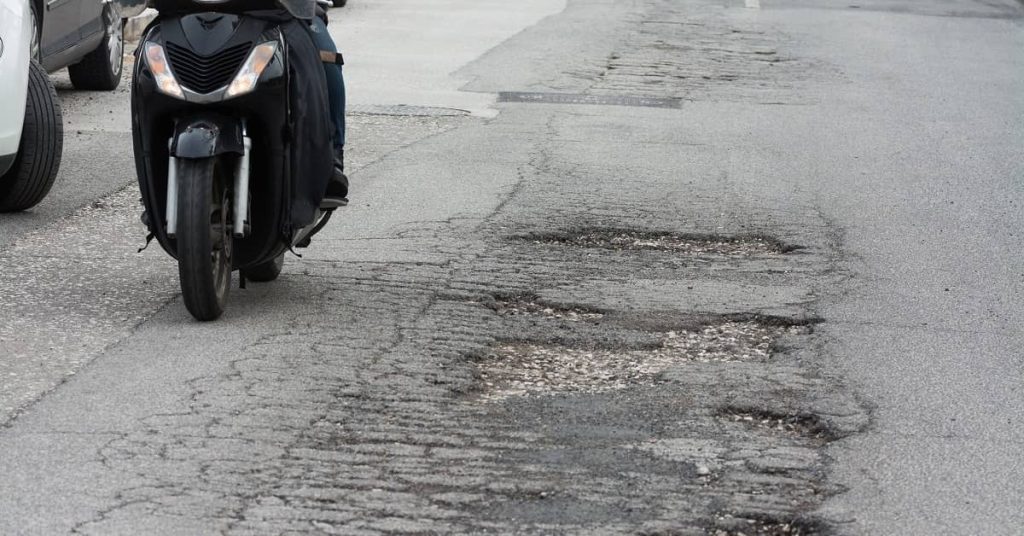
Many riders focus on traffic and weather conditions but overlook one major threat to their motorcycle, poor road surfaces. Potholes, cracked asphalt, loose gravel, uneven patches, and poorly repaired roads can cause gradual mechanical damage that often goes unnoticed until a serious issue develops.
While a single bump may seem harmless, repeated exposure to rough road conditions can accelerate wear on critical components, affecting both safety and long-term reliability.
How Poor Roads Affect Your Suspension System
Suspension components are the first to absorb impact from uneven surfaces. Every pothole or sharp bump places stress on forks, rear shocks, and linkage systems. Over time, this repeated impact weakens internal damping components and reduces the suspension’s ability to absorb shocks effectively.
Worn suspension not only reduces riding comfort but also affects traction and stability. When suspension performance declines, the motorcycle may feel unstable during cornering or braking, especially at higher speeds.
Wheel and Rim Damage Risks
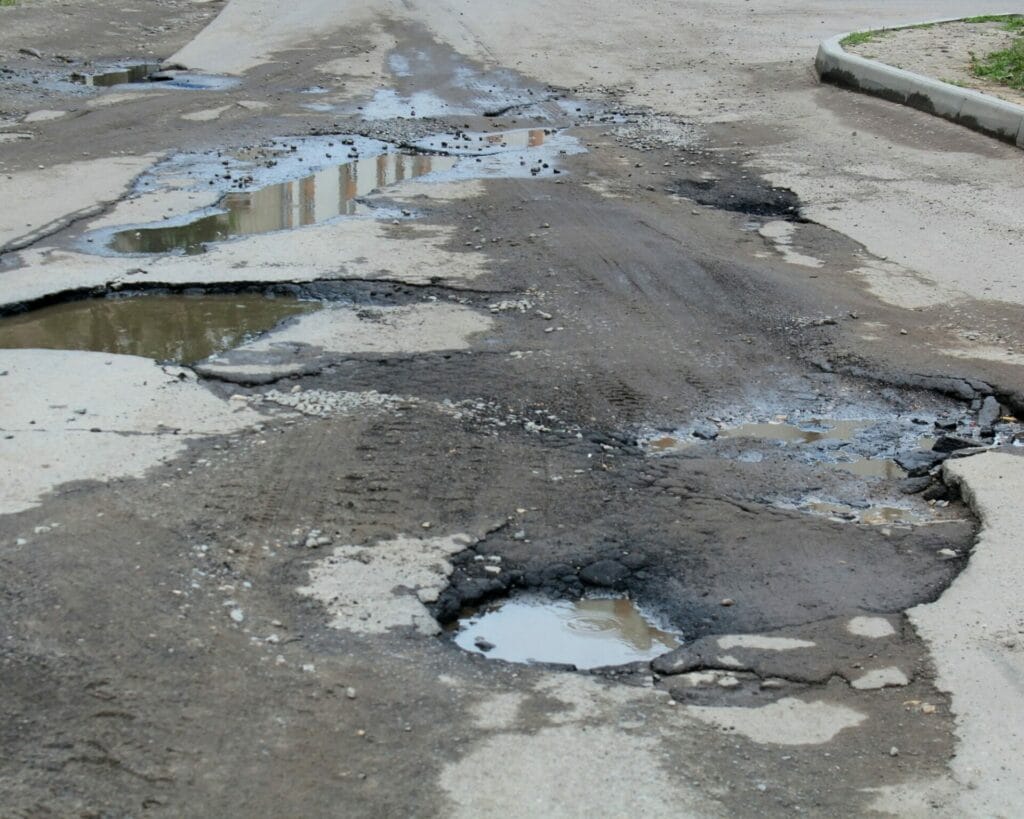
Hard impacts from deep potholes can bend rims or cause micro-cracks that are not immediately visible. Even slight rim damage can lead to tyre pressure loss or imbalance. In severe cases, riders may experience vibration at higher speeds or difficulty maintaining a straight line.
Repeated impact also increases the likelihood of punctures, particularly when riding over sharp debris hidden in damaged road sections.
Bearing and Steering Component Wear
Rough surfaces create constant vibration, which gradually affects wheel bearings and steering head bearings. Over time, this can lead to loose steering feel, wobbling at speed, or unusual noises when turning. Because bearing wear develops slowly, many riders ignore the early warning signs until handling becomes noticeably unstable.
Frame and Alignment Concerns
Frequent exposure to extreme road conditions can also affect wheel alignment and, in rare cases, stress the motorcycle frame. Misalignment reduces tyre lifespan and impacts overall handling precision. Even if the damage is not structural, poor alignment can make the motorcycle feel less predictable, particularly when braking hard or riding through curves.
Increased Risk of Roadside Breakdowns
Motorcycles regularly exposed to poor road conditions are more likely to suffer suspension leaks, punctures, loose fasteners, or unexpected component failures. These issues may not appear immediately but can surface during long rides or highway speeds, increasing the need for roadside assistance. This is why riders who frequently travel on damaged or rural roads should pay closer attention to inspection intervals.
How to Minimise Damage
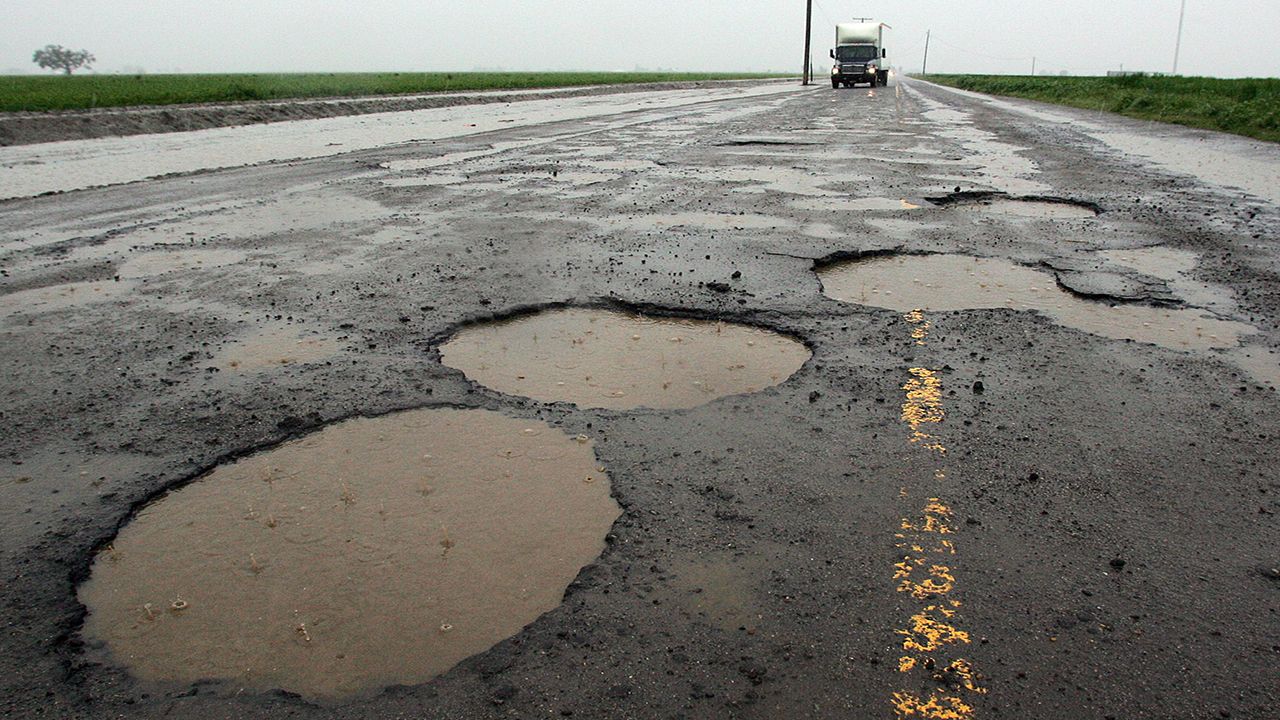
While poor road conditions cannot always be avoided, riders can reduce risks by adjusting speed before impact, avoiding sudden braking on uneven surfaces, and maintaining proper tyre pressure. Regular inspection of suspension seals, rims, and bearings also helps detect early wear before it becomes serious. Preventive maintenance is far more affordable than emergency repair or rescue services caused by avoidable damage.
Conclusion
Poor road surfaces may seem like a minor inconvenience, but over time they can significantly affect motorcycle safety, comfort, and reliability. Suspension wear, bearing damage, rim issues, and alignment problems often develop gradually, making early detection essential.
By understanding these hidden risks and maintaining your motorcycle proactively, you reduce the chances of unexpected breakdowns and ensure safer rides, even on challenging roads.


















Facebook
Instagram
X (Twitter)
YouTube
LinkedIn
RSS