

Learn how timing, data analysis, and split-second decisions in the pit lane can change race outcomes and determine victory or defeat in MotoGP.
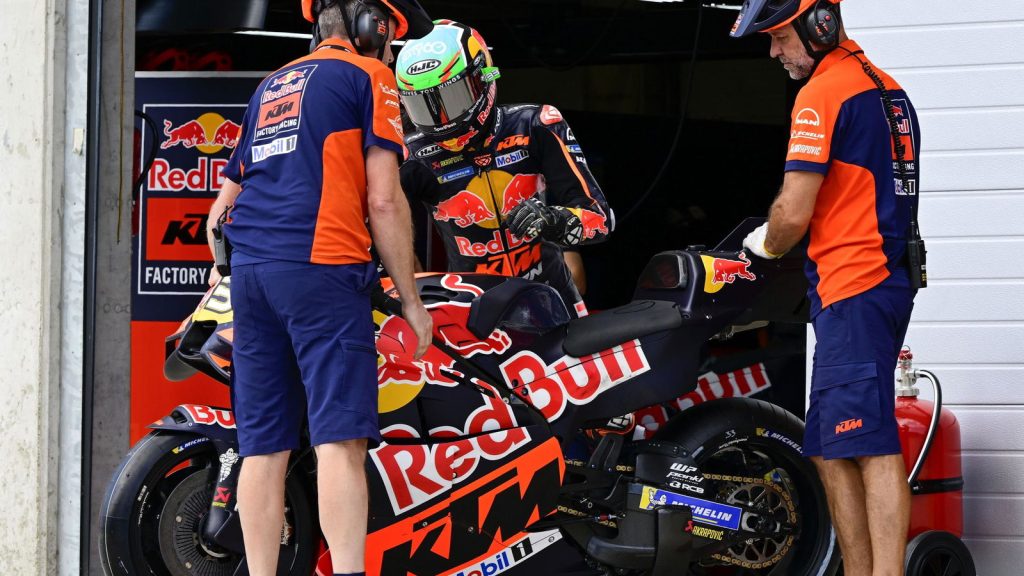
Subscribe to our Instagram Channel for instant news & updates!
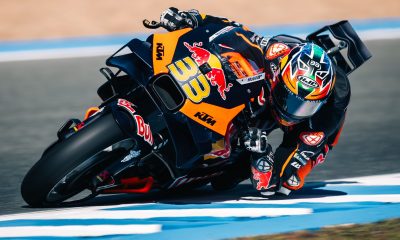
In MotoGP, races are not decided by speed alone. While riders push their limits on track, a race can be won or lost through decisions made in the pit lane. Pit strategies play a crucial role in adapting to changing track conditions, tire performance, and race incidents. A perfectly timed decision can move a rider up the order, while a delayed or incorrect call can cost valuable positions.
MotoGP pit strategy is a complex mix of data interpretation, rider feedback, and experience. Teams must react instantly to changing conditions while predicting how the race will unfold over dozens of laps.
The Importance of Timing in Pit Decisions
Timing is everything in MotoGP pit strategy. Decisions such as when to switch bikes in flag-to-flag races or when to adjust race pace are made under intense pressure. Teams constantly monitor lap times, tire degradation, and weather updates to decide the perfect moment to act.
A decision made just one lap too late can result in lost positions that are difficult to recover, especially on circuits where overtaking is limited. This makes pit strategy as critical as rider skill and bike performance.
Flag-to-Flag Races and Bike Changes
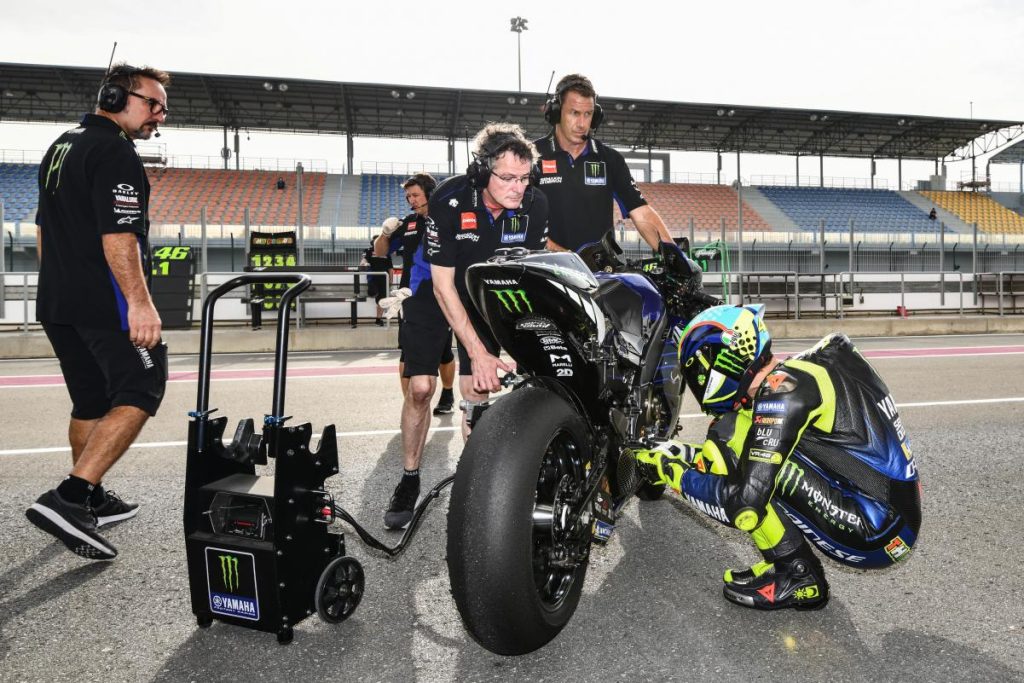
One of the most challenging scenarios in MotoGP is a flag-to-flag race, where weather conditions change mid-race. Riders must enter the pit lane to switch between dry and wet bikes, and the timing of this move often decides the race outcome.
Teams rely heavily on weather radar, track condition reports, and rider feedback to judge when grip levels have changed enough to justify a bike swap. Entering the pits too early can result in slower lap times, while staying out too long risks losing control or crashing.
Tire Management and Race Pace Strategy
Pit strategy also involves managing tire performance throughout the race. Teams analyze how tires degrade over time and advise riders on when to push harder or conserve grip. This long-term planning ensures that the rider has enough tire performance left during the closing laps, when positions are often decided.
In some cases, a slower early race pace can lead to a stronger finish, allowing riders to overtake competitors whose tires have worn out too quickly.
Communication Between Rider and Pit Wall
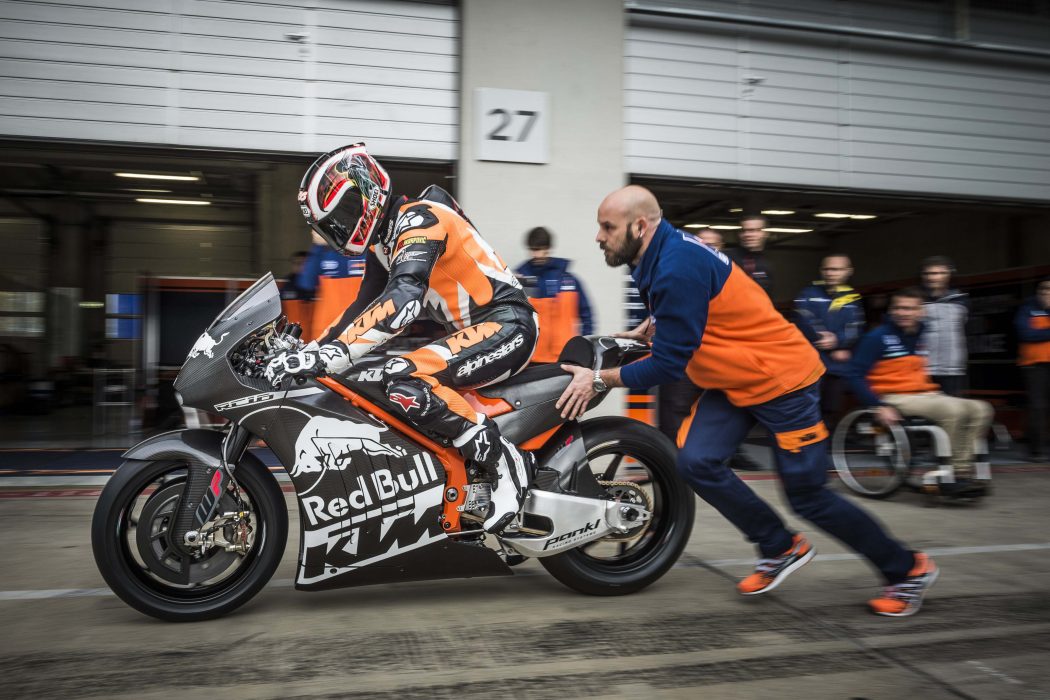
Clear communication between the rider and pit wall is essential for successful pit strategy. Teams use pit boards and electronic signals to relay lap times, position changes, and strategic instructions. Riders also provide feedback on grip levels, tire wear, and bike behavior, helping teams make informed decisions. A breakdown in communication can lead to missed opportunities or confusion during critical moments of the race.
Adapting to Incidents and Safety Car Situations
Crashes, yellow flags, and sudden changes in race conditions force teams to adapt their strategies instantly. Pit crews must reassess race plans and advise riders on how to respond to evolving situations. Riders who adapt quickly to these changes often gain an advantage over competitors who stick to their original race plan.
Conclusion
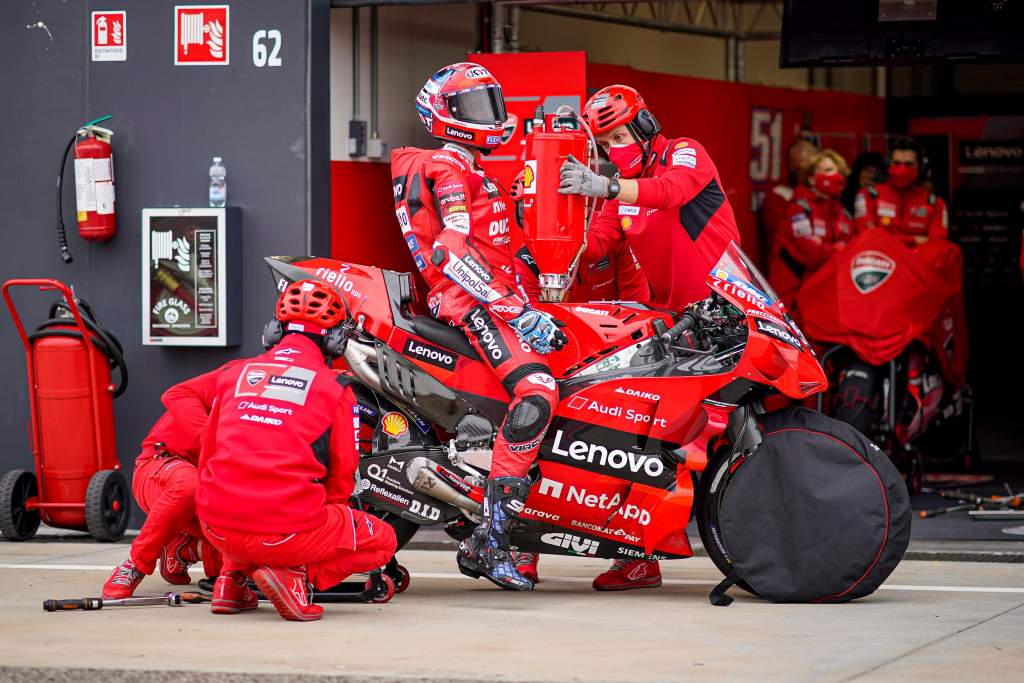
MotoGP pit strategies are a decisive factor in modern racing. From flag-to-flag bike changes to tire management and real-time decision-making, pit crews play a vital role in determining race outcomes. While riders battle on track, the strategic choices made in the pit lane often decide who stands on the podium. In MotoGP, winning a race is as much about smart decisions as it is about speed.















Facebook
Instagram
X (Twitter)
YouTube
LinkedIn
RSS