

How advanced helmet design and racing gear technology protect MotoGP riders at extreme speeds and impact forces.
Subscribe to our Instagram Channel for instant news & updates!
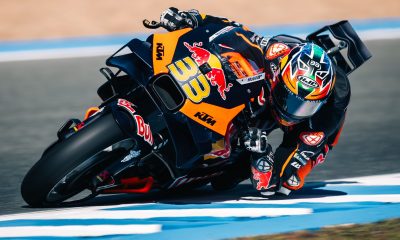
MotoGP riders compete at speeds exceeding 350 km/h. At this level, safety is not optional. Helmets and riding gear are engineered to protect riders from massive impact, heat, and abrasion while still allowing freedom of movement.
MotoGP safety gear is far more advanced than standard road riding equipment. Every component is tested under extreme conditions to meet strict racing regulations.
Helmet Construction and Impact Protection
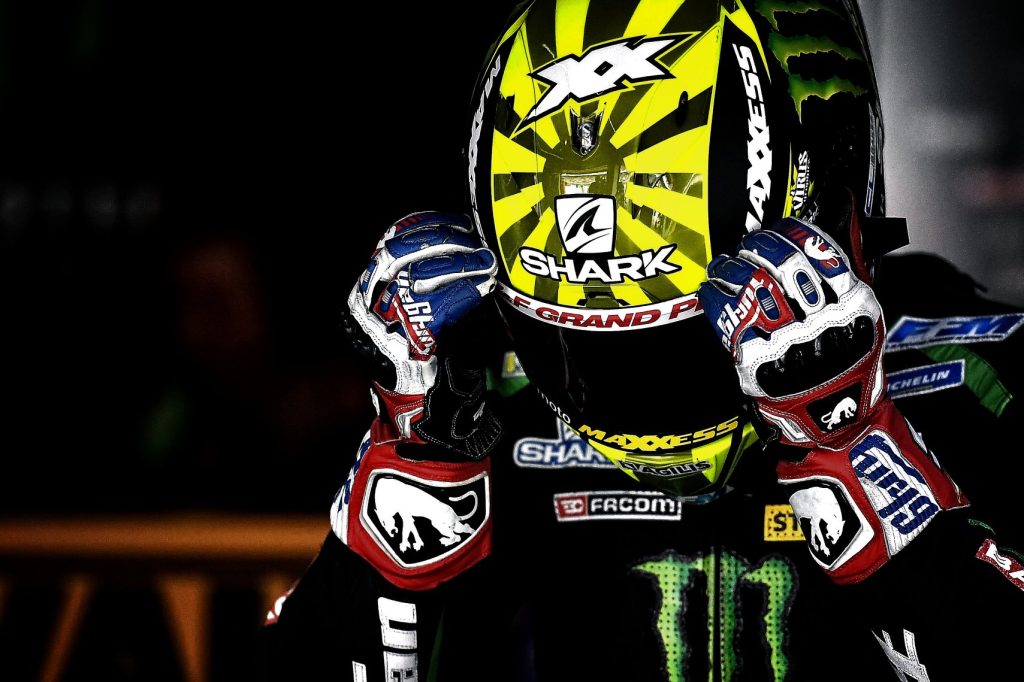
MotoGP helmets are built using multi-layer composite shells. These shells are designed to absorb and disperse impact energy during a crash. Inside the helmet, advanced liners manage rotational forces that can cause brain injuries.
Every helmet used in MotoGP must pass high-level safety standards. They are tested for high-speed impacts, penetration resistance, and durability.
Aerodynamics and Stability at High Speed
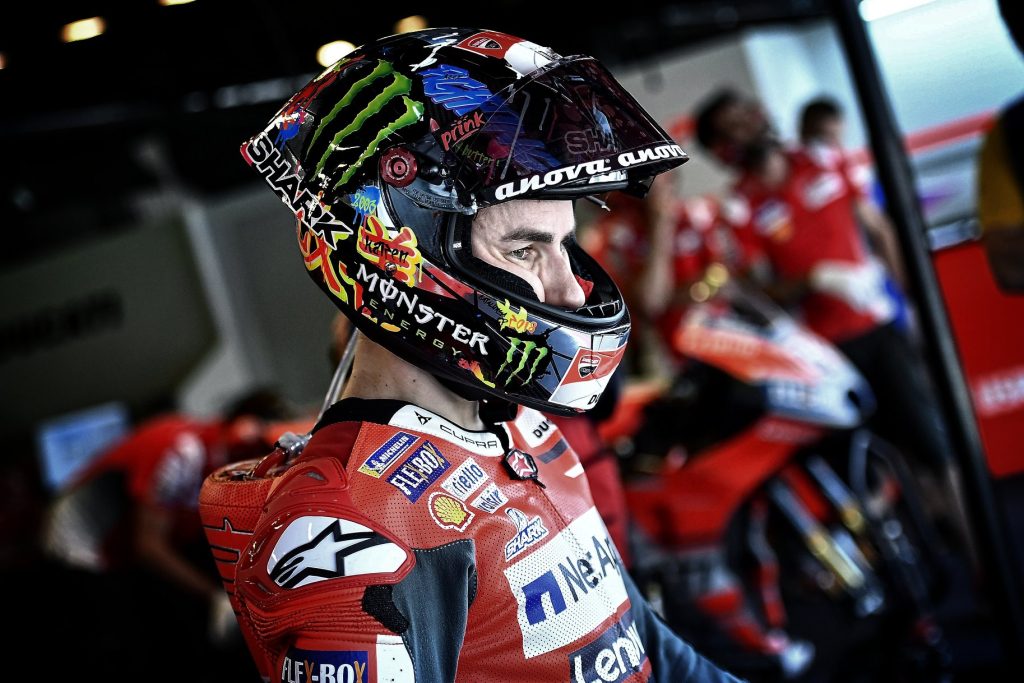
At racing speed, helmet aerodynamics become critical. MotoGP helmets are shaped to remain stable during heavy braking and rapid direction changes. Even small aerodynamic improvements can reduce neck strain over a full race distance.
Wind tunnel testing plays a major role in helmet development. The goal is to keep airflow smooth while minimizing drag and lift.
Fire Resistance and Heat Management
Racing suits are made from fire-resistant materials. These fabrics protect riders from extreme heat during accidents involving friction or fuel exposure. At the same time, the gear must allow heat to escape during long races. Ventilation zones are carefully placed to keep riders cool without weakening protection.
Armor, Airbags, and Impact Zones
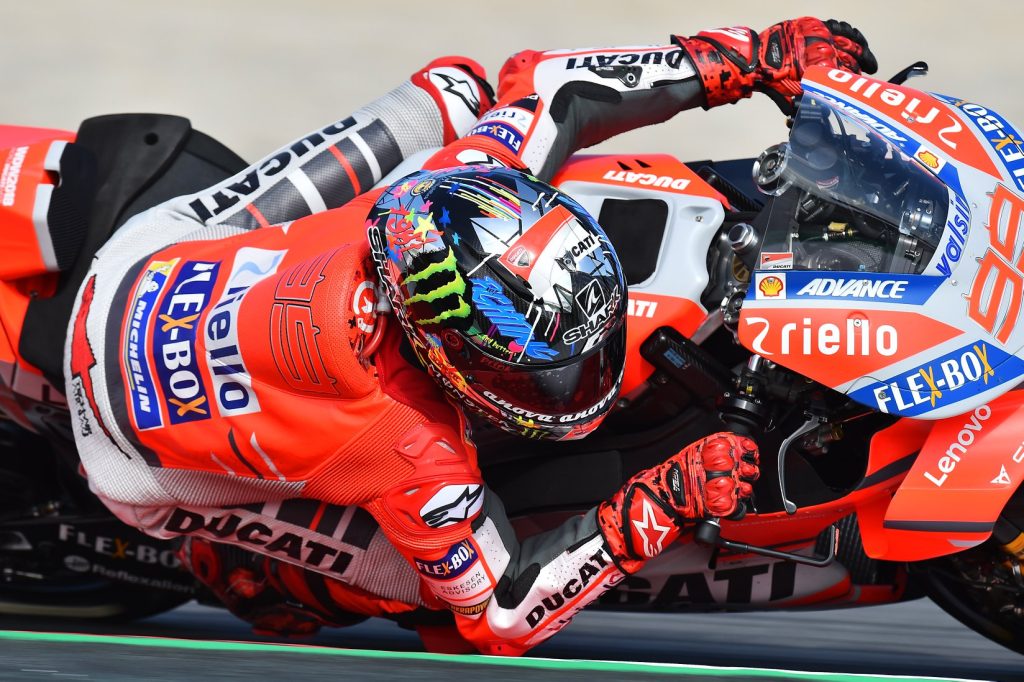
Modern MotoGP suits include built-in armor for shoulders, elbows, knees, and hips. These areas absorb energy during crashes and reduce injury risk.
Airbag systems are now standard in MotoGP. They deploy within milliseconds when a crash is detected. The airbag protects the neck, chest, and collarbone, areas that are most vulnerable during high-speed falls.
Gloves, Boots, and Fine Control
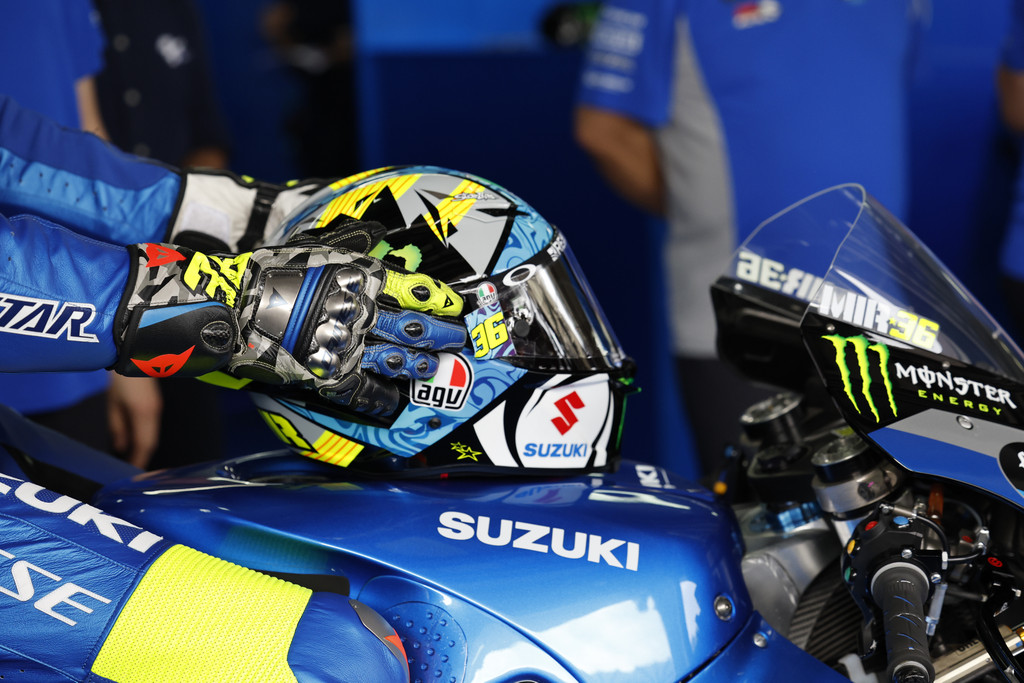
Gloves and boots are designed to protect without sacrificing feel. Gloves use reinforced palms and knuckle protection while maintaining grip sensitivity. Boots include ankle bracing systems that limit extreme movement during crashes. Every detail is focused on safety while preserving precise control of the bike.
Why MotoGP Gear Is So Different from Road Gear
MotoGP gear is built for one purpose. Maximum protection at extreme speed. It is lighter, stronger, and more specialized than road riding gear. This level of technology comes at a high cost but saves lives on the track.
Many innovations from MotoGP eventually make their way into road riding equipment, improving safety for everyday riders.
Conclusion
MotoGP helmet and gear technology represents the highest level of rider protection in motorcycle racing. Through advanced materials, aerodynamics, and smart safety systems, riders are protected while pushing the limits of speed. MotoGP continues to shape the future of motorcycle safety worldwide.











Facebook
Instagram
X (Twitter)
YouTube
LinkedIn
RSS