

Understanding how surface type, temperature, and weather influence motorcycle setup, tire choice, and rider performance on every circuit.
Subscribe to our Instagram Channel for instant news & updates!
In MotoGP, every circuit presents unique challenges that can dramatically influence bike performance. Riders and teams must adapt to differences in track surface, temperature, and weather conditions to extract maximum performance. A motorcycle that handles perfectly on one track may feel unstable or underperform on another if setup adjustments are not made.
From tire selection to suspension tuning, teams carefully analyze track conditions during practice sessions and adjust the bike to maintain stability, traction, and speed. These adjustments can mean the difference between winning and finishing off the podium.
Surface Type and Grip Levels
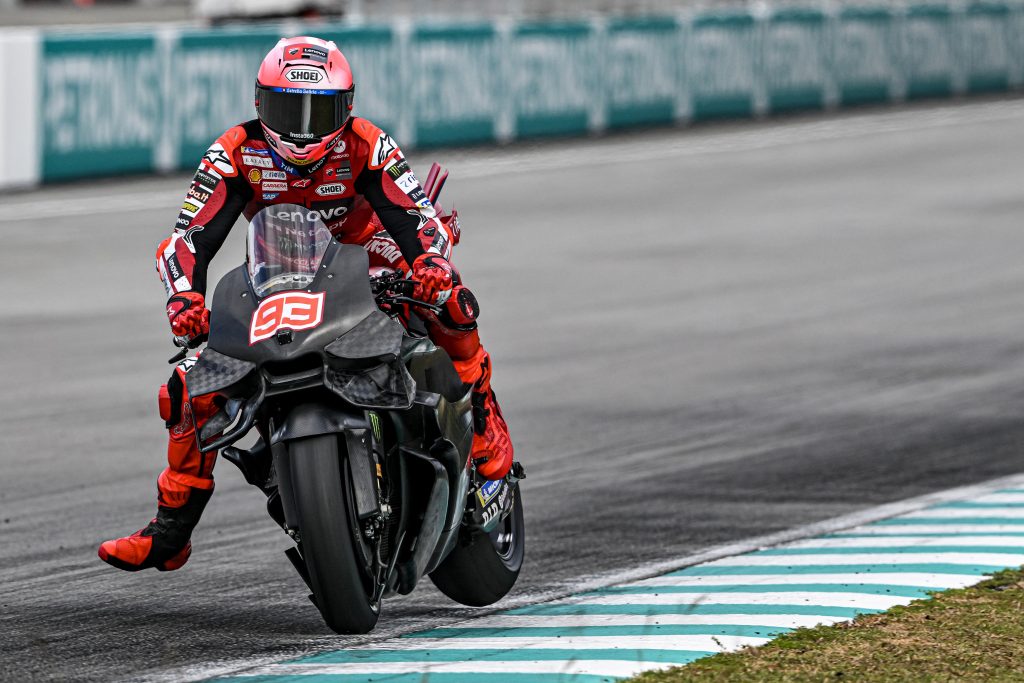
The type of asphalt and surface texture at a circuit has a significant impact on bike handling. Smooth, high-grip tracks allow for aggressive lean angles and faster cornering, while rough or worn surfaces require softer suspension and careful throttle control to avoid wheel slip. Teams often study surface wear patterns, track temperature changes, and even recent resurfacing to determine optimal tire and suspension setup for each rider.
Temperature Effects on Performance
Track and air temperature directly influence tire performance, engine behavior, and overall grip. High temperatures can cause tires to overheat and lose adhesion, forcing riders to adopt a smoother riding style or adjust tire pressure. Cold conditions, on the other hand, reduce tire grip, making traction management critical. Teams use this data to tweak suspension, tire choice, and even ECU settings to ensure the bike remains balanced in all conditions.
Weather Conditions and Adaptability
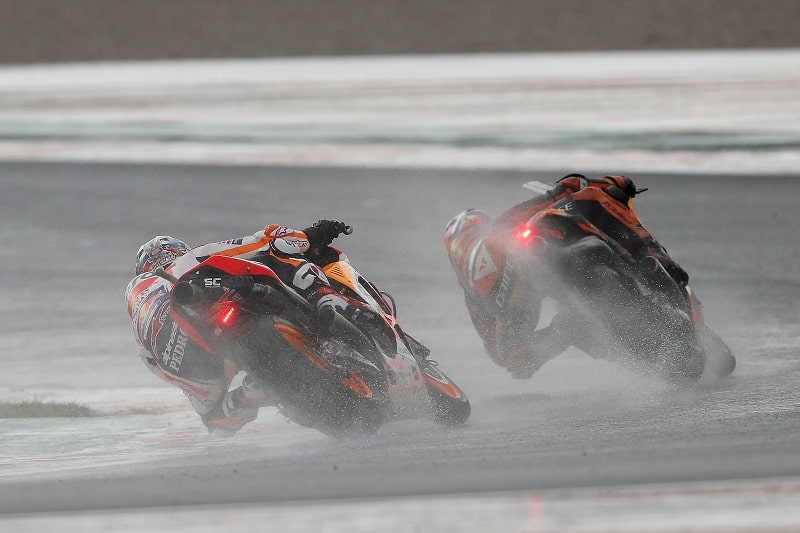
Rain, humidity, or sudden weather changes create additional challenges for bike setup. Wet tracks require different tires, softer suspension, and adjustments in braking points to prevent loss of control. Wind can affect aerodynamics, particularly on high-speed straights, influencing how riders approach acceleration and corner entry. Teams must remain flexible, often adjusting bike setup multiple times during a race weekend to respond to changing weather.
Suspension and Geometry Adjustments
Suspension setup and bike geometry are highly sensitive to track conditions. Softer suspension may be preferred on bumpy circuits to maintain tire contact and absorb irregularities, while stiffer suspension is useful on smooth tracks to maximize responsiveness. Steering angle, fork compression, and rear shock settings are tuned in combination with tire selection to maintain optimal stability and cornering performance.
Tire Choice and Wear Management
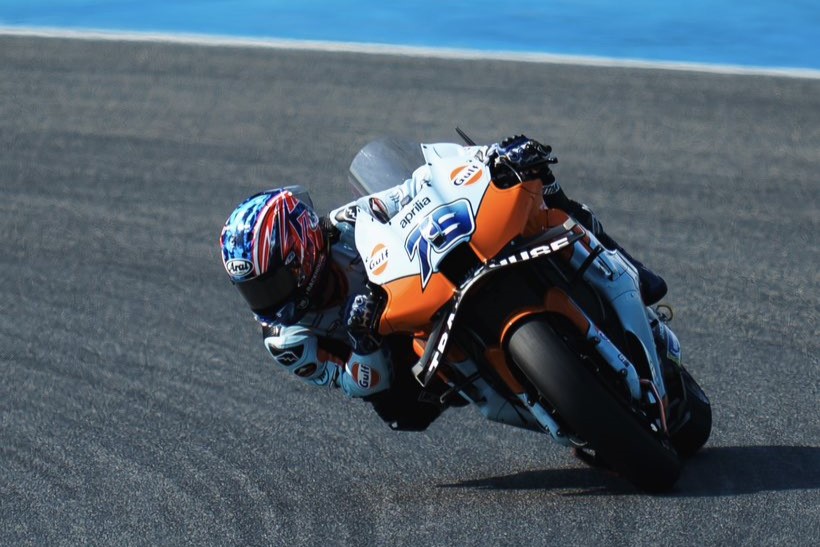
Tires are the only contact point between bike and track, so they are hugely influenced by surface conditions, temperature, and track abrasiveness. Teams carefully monitor tire wear during practice and races, adjusting pressures and suspension settings to optimize grip throughout the race. Choosing the wrong tire compound for track conditions can lead to reduced performance, increased wear, or even race-ending crashes.
Conclusion
Track conditions are a decisive factor in MotoGP bike setup and rider performance. From surface texture to weather, teams must constantly adapt suspension, geometry, tires, and electronic settings to ensure optimal handling, stability, and speed. Understanding the effects of track conditions allows riders to maximize performance while minimizing risk, highlighting why preparation and adaptability are as crucial as rider skill and engine power in MotoGP.













Facebook
Instagram
X (Twitter)
YouTube
LinkedIn
RSS