

From extreme heat and race intensity to travel fatigue and recovery, this is how MotoGP riders stay physically and mentally prepared throughout a long and demanding season.
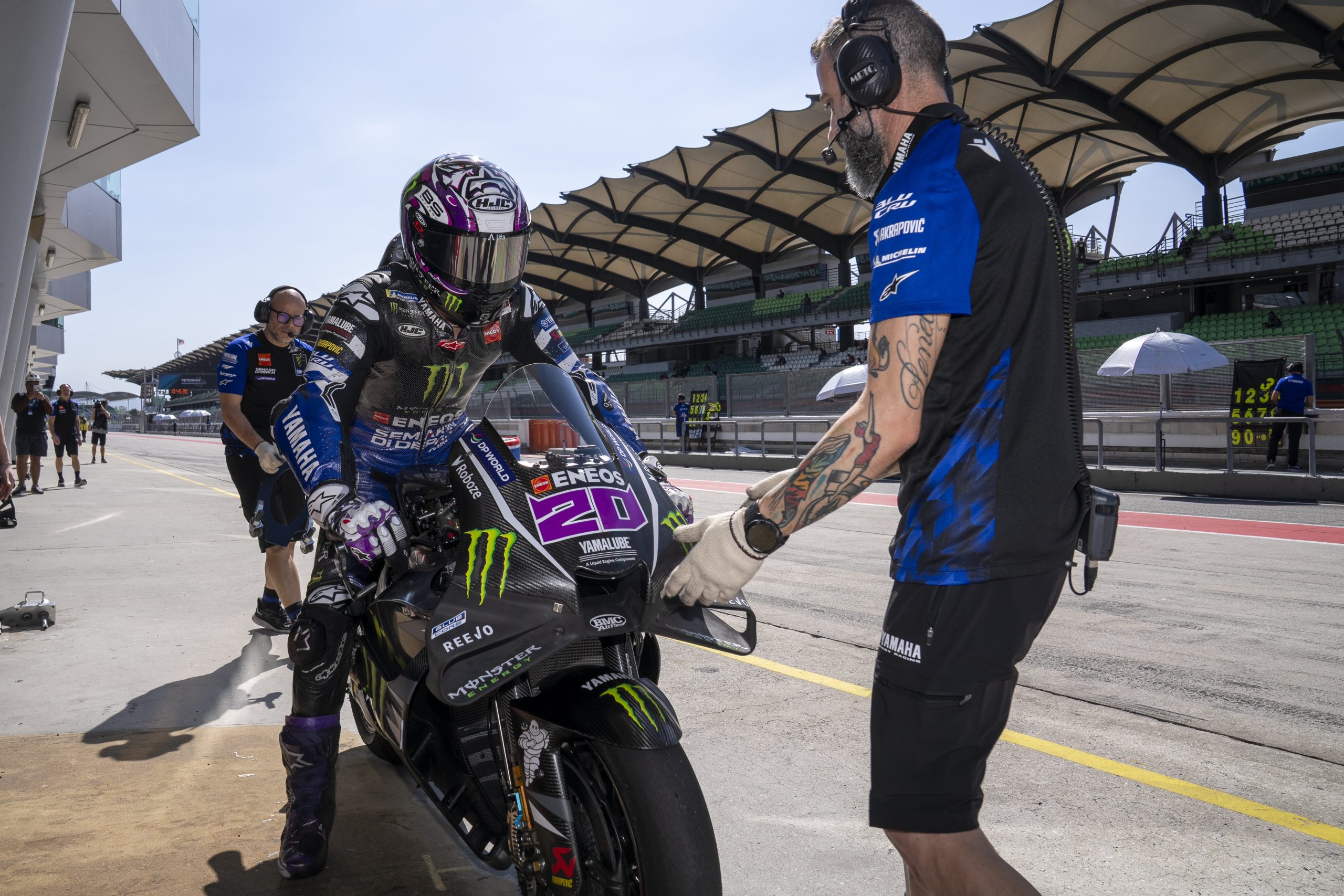
Subscribe to our Instagram Channel for instant news & updates!
A MotoGP season is not just a test of speed and skill. It is a serious physical and mental challenge that pushes riders to their limits week after week. With back-to-back race weekends, long-haul travel, and races held in extreme heat, MotoGP riders must maintain peak fitness for nearly the entire year.
Unlike other motorsports, MotoGP demands full-body effort. Riders are constantly braking hard, hanging off the bike, and controlling powerful machines at over 300 km/h. Managing these physical demands is essential to staying competitive and avoiding injury over a long season.
The Physical Strain of Riding a MotoGP Bike
Riding a MotoGP bike requires intense strength and endurance. Under heavy braking, riders experience extreme forces that strain the arms, shoulders, and core. During cornering, they must support their body weight while maintaining precise control of the bike.
Over the course of a race, riders can lose several kilograms of body weight due to dehydration. The physical effort required is closer to that of a professional athlete than a traditional motorsport driver, which is why fitness plays such a critical role in MotoGP success.
Training Like Elite Athletes
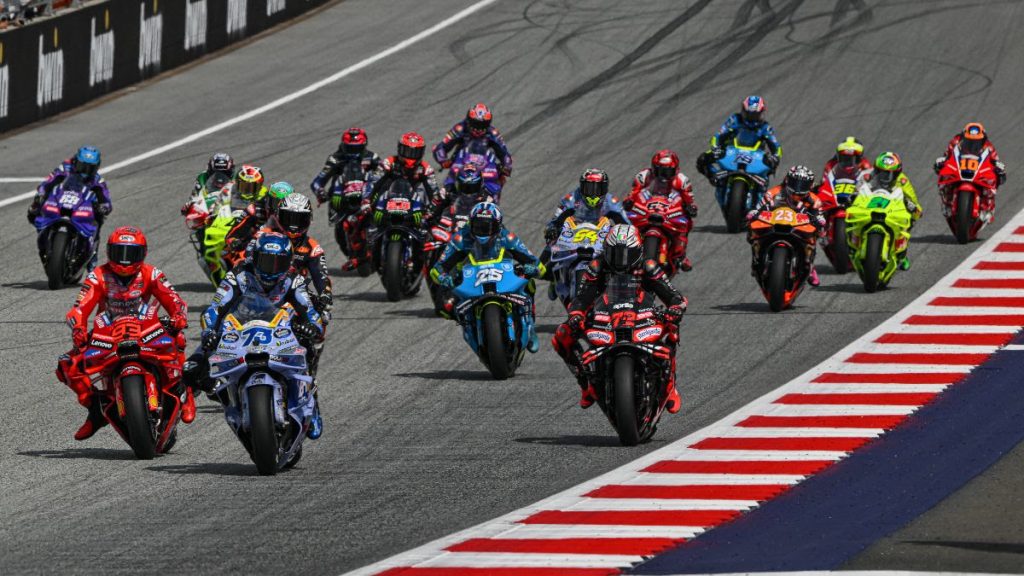
MotoGP riders train year-round to prepare their bodies for race conditions. Their training focuses on cardiovascular endurance, muscle strength, flexibility, and reaction speed. Cycling, gym workouts, motocross, and flat-track riding are commonly used to build endurance and control.
Neck and core strength are especially important. These muscles help riders stay stable at high speed and reduce fatigue during long races. Without proper conditioning, maintaining focus and control becomes extremely difficult late in a race.
Managing Heat, Fatigue, and Recovery
Many MotoGP races take place in hot and humid conditions, placing additional stress on the body. Riders must carefully manage hydration and nutrition to avoid fatigue and cramps. Cooling strategies before and after races are also essential to help the body recover.
Recovery is just as important as training. Riders use physiotherapy, stretching routines, ice baths, and rest days to allow their bodies to recover between race weekends. With a packed calendar, poor recovery can quickly lead to injury or burnout.
Mental Endurance Throughout the Season
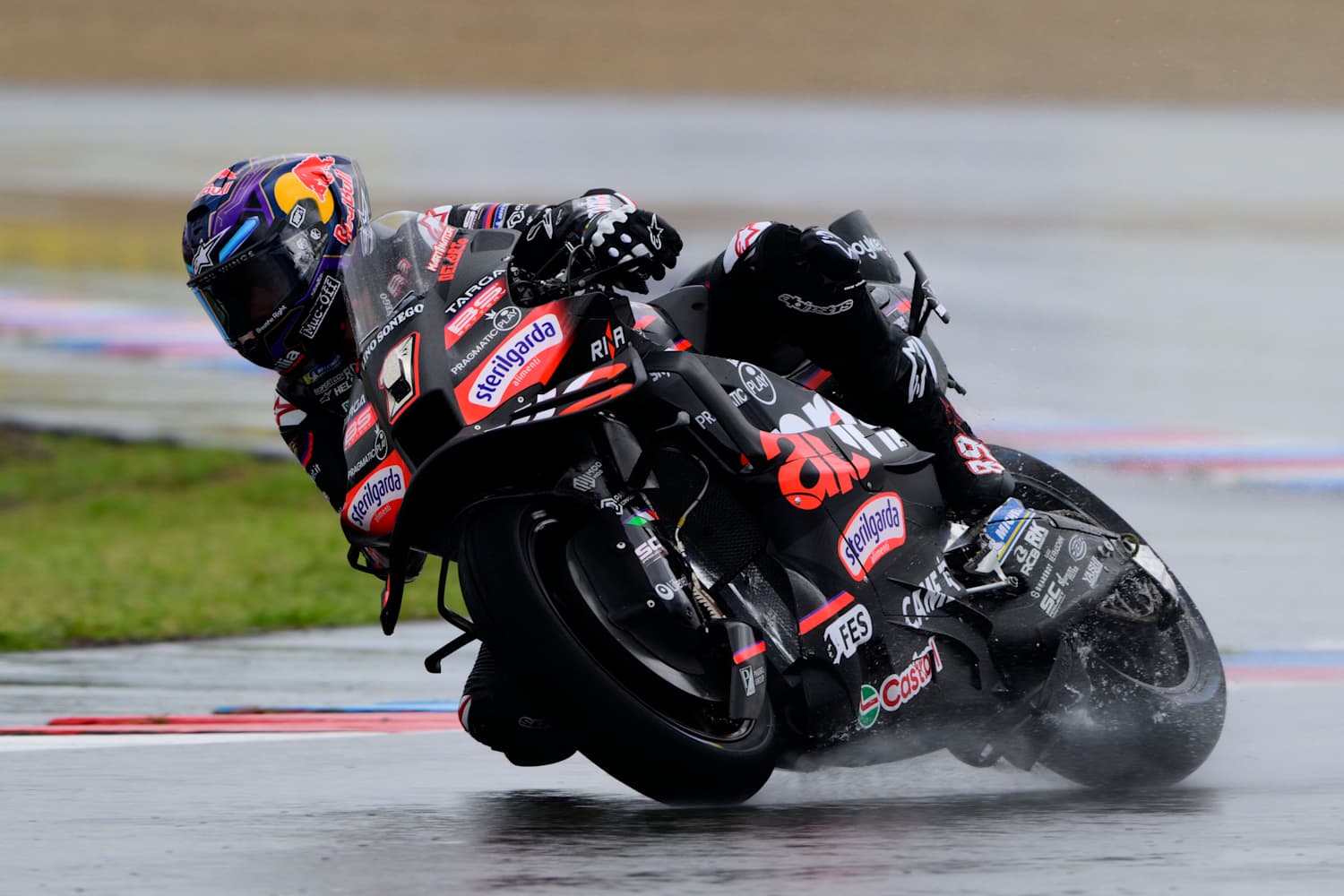
The physical demands of MotoGP are closely linked to mental strain. Riders must stay focused while dealing with pressure from competition, expectations, and constant travel. One small mistake can have serious consequences at racing speeds.
Mental training, including focus exercises and stress management, helps riders maintain confidence and consistency throughout the season. Staying mentally strong is just as important as physical fitness, especially during difficult race weekends or after crashes.
Why Physical Fitness Decides Championships
As the season progresses, physical condition often separates title contenders from the rest of the field. Riders who manage fatigue well can maintain lap times and make fewer mistakes late in races. Those who struggle physically may lose performance, even if their bike is competitive.
MotoGP championships are rarely won by speed alone. They are won by riders who can endure the physical and mental demands of the entire season.
Conclusion
Handling the physical demands of a MotoGP season requires far more than natural talent. Riders must train like elite athletes, manage fatigue and recovery, and stay mentally sharp across months of intense competition. In MotoGP, endurance, preparation, and resilience are just as important as outright speed, making physical fitness a key factor in long-term success.











Facebook
Instagram
X (Twitter)
YouTube
LinkedIn
RSS