

Understanding when your motorcycle no longer fits your needs and how age, design, and rider experience affect the ride.

Subscribe to our Instagram Channel for instant news & updates!
At some point, almost every rider will face the inevitable question: “Is it time to change my motorcycle?” It’s not always because the bike is broken or slow. Sometimes, the ride just doesn’t feel as effortless or enjoyable as it once did. Confidence seems lower, and the bike feels heavier, even though nothing is technically wrong.
These feelings usually come from a mix of factors: how the bike feels, how it has aged, and how the rider’s own needs have changed. Understanding this can help you make smarter decisions about whether to keep your bike, modify it, or move on.
Why Riders Start Questioning Their Motorcycle
Doubt rarely appears suddenly. It builds over months or years of riding. The bike runs fine, maintenance is up to date, and yet the ride doesn’t feel the same. This is often due to decision fatigue. Riders start comparing their experience to others, eyeing newer models, or wondering if they’ve outgrown their current machine. It’s not one thing that causes this. It’s the combination of your own evolving expectations, subtle changes in the bike, and how your riding style has developed.

How Motorcycles Change Over Time
Motorcycles don’t just age in years, they age in feel. Two bikes with similar specifications can ride very differently. Over time, subtle changes affect how a bike feels. Suspension becomes less sharp. Rubber parts harden. Bearings develop tiny tolerances. Even the frame, while still strong, may feel less responsive. The bike might still be reliable and safe. But it won’t feel new, and that can affect your confidence and enjoyment.
Design and Geometry Matter More Than You Think
A motorcycle’s design heavily affects how it feels on the road. Frame geometry, weight distribution, seat height, and handlebar position all play a role. A bike that once felt sporty might start to feel tiring. Aggressive ergonomics can strain your body.
A top-heavy bike may feel harder to handle in traffic. Even a stiff chassis can feel less forgiving over time. These changes aren’t signs of a “bad” bike. They just show that your motorcycle’s original design may no longer match how you ride today.
How Rider Experience Changes the Ride
As you gain experience, your priorities change. What once felt thrilling may now feel unnecessary. You might value comfort, stability, and predictability more than peak performance. This is why experienced riders sometimes feel restless, even on bikes they once loved. The motorcycle hasn’t changed, you have. Your skills, awareness, and expectations have evolved, creating a gap between you and your bike.
Motorcycle Aging vs. Motorcycle Health
It’s important to understand that an aging motorcycle isn’t the same as an unhealthy one. Many bikes run reliably for years but feel less engaging than when they were new. Aging affects how a bike feels more than how it works.
The engine still pulls cleanly, but vibrations are more noticeable. The suspension still works, but feedback is duller. Steering remains precise, but it may feel heavier or less responsive. Recognising this difference helps you decide whether to refresh your bike or consider something new.
Decision Fatigue: When the Question Keeps Returning
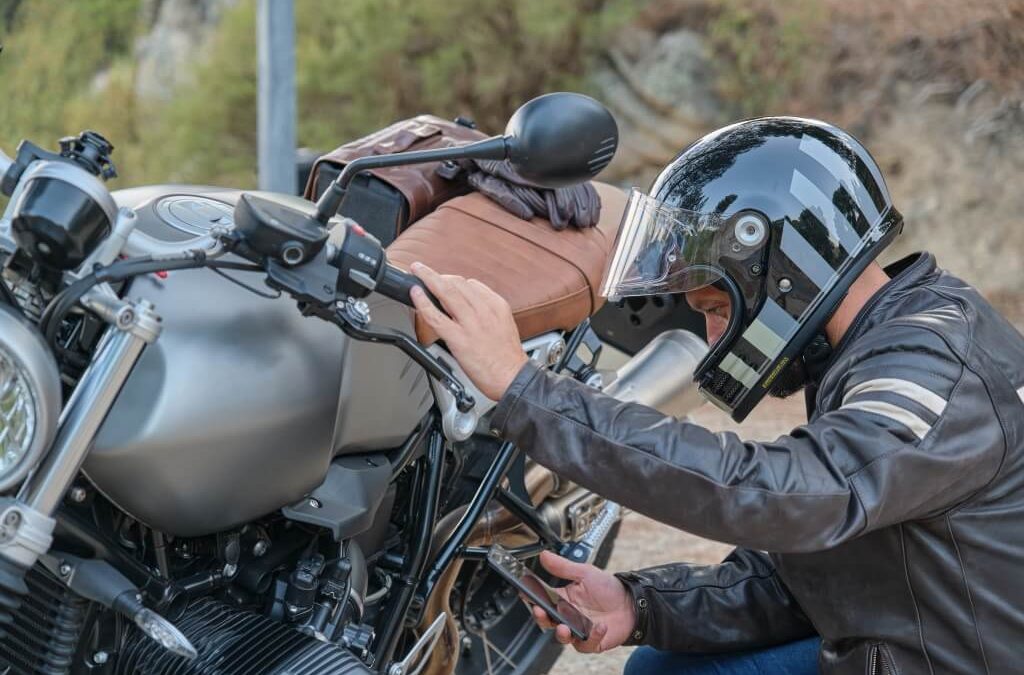
One of the clearest signs it might be time for a change isn’t mechanical, it’s mental. If you find yourself constantly browsing listings, comparing models, or imagining riding something else, decision fatigue may be affecting you.
It can make you feel dissatisfied even with a perfectly fine bike. Switching motorcycles doesn’t always solve it. Sometimes the solution lies in understanding what has truly changed: your expectations, your body, or how and where you ride.
Knowing When a Motorcycle No Longer Fits
The right time to change bikes isn’t about mileage or market trends. It’s when the motorcycle no longer fits you physically, mentally, or emotionally. If rides feel tiring rather than enjoyable, confidence is lower, or your needs have shifted away from what the bike was designed for, change becomes reasonable. This doesn’t mean newer is always better. It means better for you now.
Changing Motorcycles Isn’t Failure
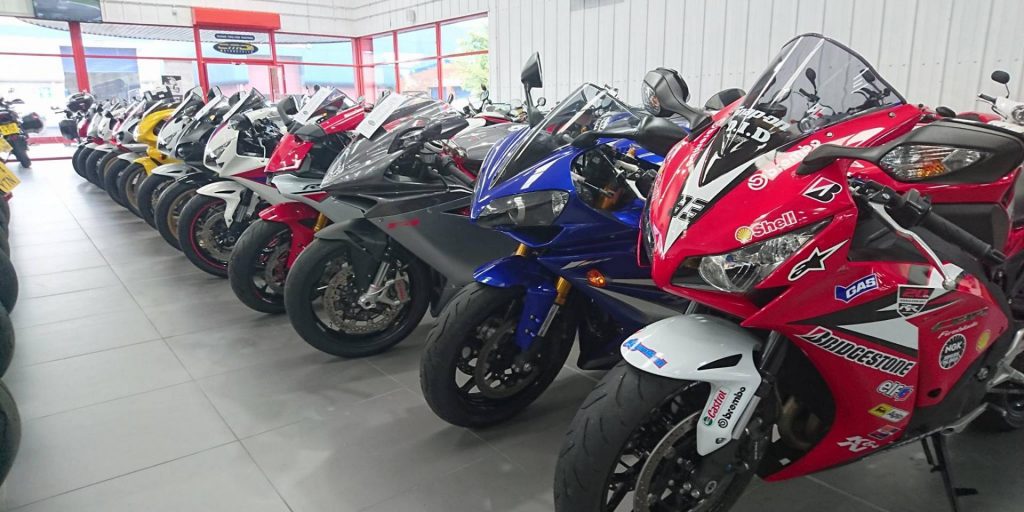
Some riders hold onto their bikes out of loyalty or nostalgia. While long-term ownership has value, recognising when a motorcycle has served its purpose is equally important. Changing bikes isn’t giving up. It’s adapting. The right bike at the wrong time can feel just as wrong as the wrong bike altogether. Understanding feel, aging, and decision fatigue helps riders make smarter, more informed choices.
Final Thoughts: Listen to the Feeling, Not Just the Specs
When you ask yourself whether it’s time to change motorcycles, the answer isn’t in spec sheets or mileage numbers. It’s in how the bike feels after a long ride, how confident it makes you in traffic, and how often you imagine riding something else. Sometimes keeping your bike and rediscovering it is best. Other times, moving on is the right choice. And that change is part of every rider’s journey.











Facebook
Instagram
X (Twitter)
YouTube
LinkedIn
RSS